
Story
Oil Prices Hold Steady as Hormuz Shipping Risks Offset US-Iran Diplomatic Stall
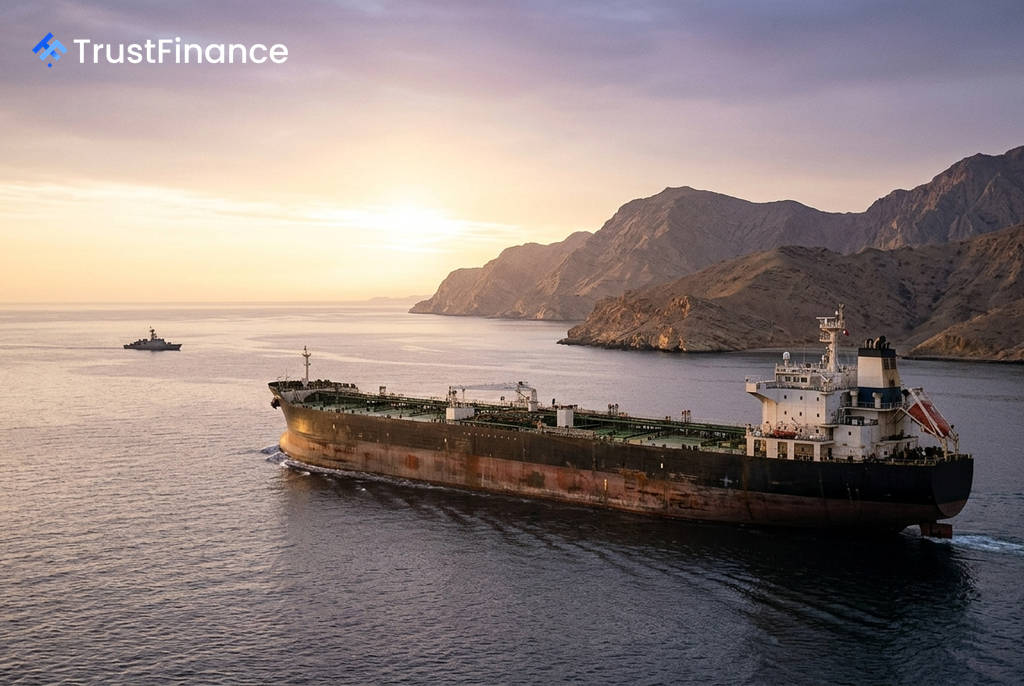
Oil prices were mixed in early Monday trade as the market weighed the impact of a sharp slowdown in shipping through the Strait of Hormuz against a diplomatic stalemate between the United States and Iran. The stability follows a week where geopolitical tensions sent both major benchmarks soaring by more than 5%.
According to a Reuters report, Brent crude futures edged up 20 cents, or 0.2%, to $88.72 a barrel, while U.S. West Texas Intermediate (WTI) crude futures dipped by 5 cents to $82.35 a barrel by 2350 GMT.
Heightened Supply Risks
The primary driver of the recent price surge remains the escalating conflict in the Middle East. Tensions were amplified by attacks last week on tankers operated by Abu Dhabi National Oil Company (ADNOC) and on a Saudi Aramco refinery.
Over the weekend, shipping traffic through the critical Strait of Hormuz chokepoint slowed dramatically. Key data points include:
 Ad
- Shiptracking data from Kpler showed only five commodity vessels transited the strait on Saturday and none on Sunday.
- This compares to 31 vessels during the prior weekend, highlighting significant disruption.
- The United Arab Emirates, via its state news agency WAM, accused Iran of attacking a third ADNOC vessel in the strait on Friday.
Diplomatic Impasse
While physical supply risks are elevated, a lack of progress on the diplomatic front is preventing prices from climbing further. Iranian Foreign Minister Abbas Araqchi stated over the weekend that Iran has not yet decided to resume talks with the U.S.
This sentiment creates a holding pattern for the market. "The status quo remains. Both sides remain firmly dug in and the market is left weighing the risk of tighter supply against the comfort of workarounds and other informal channels," IG market analyst Tony Sycamore noted, according to Reuters.
Read next
More on Commodities
U.S. Crude Inventories Post Surprise Draw While Gasoline Stocks Swell, EIA Reports
U.S. crude oil stockpiles fell unexpectedly last week, driven by a surge in exports, while gasoline inventories saw a significant build amid weakening demand, according to the latest EIA data.

UBS Raises Year-End Brent Forecast to $110 on Middle East Supply Risks
UBS has increased its year-end forecast for Brent crude to $110 per barrel, citing escalating supply risks in the Middle East, declining global inventories, and record-high freight costs.

Iran Dismisses Latest Qatari Peace Proposal as 'Unacceptable'
A senior Iranian official has rejected the latest Qatari-mediated draft deal to end the eight-month war, calling the ideas 'unacceptable' and signaling a continued diplomatic impasse. The news comes amid rising oil prices following attacks on Saudi energy infrastructure.

Argentina Poised to Gain EU Soymeal Market Share as Deforestation Rules Hit Brazil
Argentina's soybean industry is preparing to capture a larger share of the European Union's soymeal market as new EU anti-deforestation rules are expected to disrupt exports from rival Brazil.