
Story
Oil Prices Fall 2% as Inflation and Economic Worries Eclipse Middle East Supply Risks
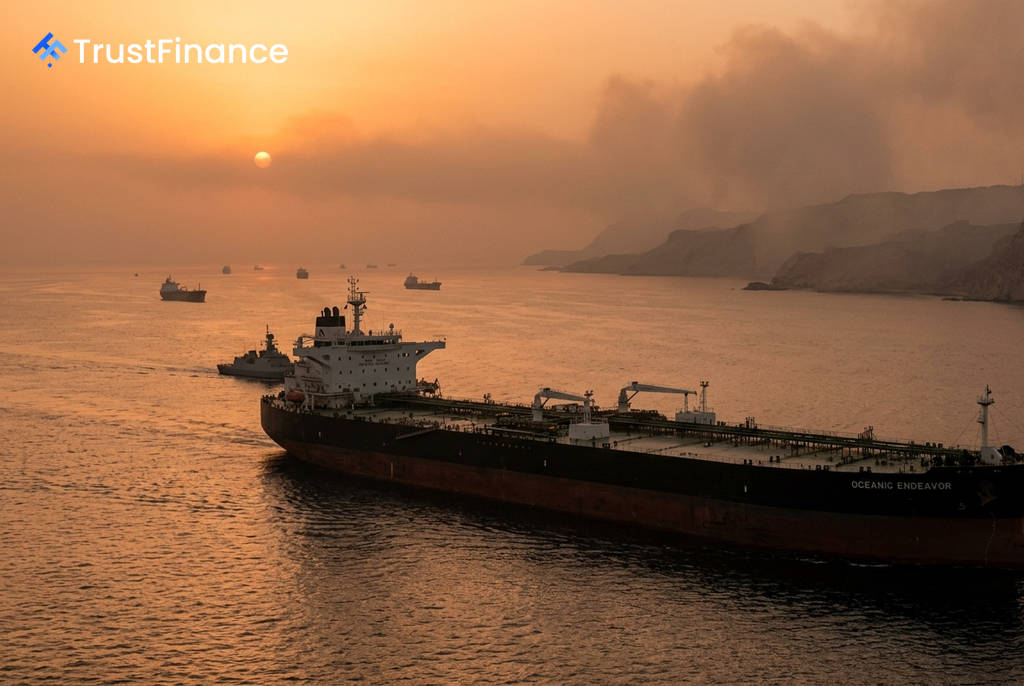
Oil prices dropped about 2% on Thursday, reversing recent gains as persistent worries about global economic health and potential interest rate hikes outweighed immediate supply risks from escalating conflict in the Middle East.
International benchmark Brent crude futures fell $1.72, or 2.2%, to settle at $76.30 a barrel. U.S. West Texas Intermediate (WTI) crude declined $1.44, or 2.0%, to close at $72.08 a barrel. The retreat came just a day after both benchmarks had closed at multi-week highs.
Economic Headwinds Pressure Demand
Investor focus shifted to macroeconomic concerns that could dampen future oil demand. Minutes from the U.S. Federal Reserve's June meeting revealed policymakers' mounting worries about inflation. The prospect of higher interest rates to control inflation can slow economic growth, thereby reducing fuel consumption.
Adding to the bearish sentiment, data from China showed producer price inflation surged in June to its highest level in four years. This puts pressure on manufacturers' profits in the world's second-largest economy and signals potential weakness in domestic demand.
Geopolitical Tensions Fail to Buoy Prices
 Ad
Despite the price drop, significant supply-side risks remain. The market is closely watching the conflict between the U.S. and Iran, which escalated Thursday with Iranian attacks on U.S. military infrastructure in the Gulf following American strikes on Iran. These hostilities are disrupting the gradual reopening of the Strait of Hormuz, a critical chokepoint for about 20% of pre-war global oil supplies.
According to a report from Goldman Sachs, oil flows from the Persian Gulf, which had recovered to over 80% of pre-war levels, have now retreated to the low-70s percentage range following recent attacks on tankers. Separately, in Europe, Ukrainian drone attacks on Russian tankers in the Sea of Azov continued, further highlighting ongoing threats to global energy logistics.
Market Outlook
While the geopolitical flare-ups create supply uncertainty, some analysts believe the market is anticipating a relatively brief conflict. Vikas Dwivedi, a strategist at Macquarie Group, noted that both the U.S. and Iran are constrained by "practical economic and political realities."
Furthermore, diplomatic efforts are underway, with Qatar, Turkey, and Oman engaging with Iran to de-escalate the situation. Bob Yawger, director of energy futures at Mizuho, observed that Iran appears to be seeking to "scale back hostilities and possibly return to the negotiating table," which may be tempering the market's risk premium.