
Story
Oil Prices Extend Losses as Iran Mediation Efforts Temper Escalation Fears

Crude oil prices extended their decline in Asian trading on Tuesday as diplomatic efforts to mediate the conflict involving Iran helped ease market fears of a wider Middle East escalation that could threaten global energy supplies.
As of 20:10 ET (00:10 GMT), Brent crude futures for December delivery fell 0.6% to $115.15 a barrel, while West Texas Intermediate (WTI) crude futures declined 0.5% to $105.25 a barrel, according to Investing.com data. The retreat marks a shift from the previous week when prices rallied to six-month highs on concerns over potential attacks on energy infrastructure.
Diplomatic Efforts Ease Tensions
The move lower in prices is primarily attributed to a new diplomatic push aimed at de-escalation. Senior officials from Saudi Arabia, Turkey, and Pakistan met with Iranian leaders in Tehran on Monday to discuss reducing regional tensions, according to reports. Qatari officials have also reportedly been engaging with Tehran.
These discussions have helped temper some of the immediate geopolitical risk premium that had been priced into the market. The talks reportedly covered Houthi attacks on Saudi Arabia and disruptions to shipping through the crucial Strait of Hormuz, a key chokepoint for global oil trade.
Lingering Supply Risks Cap Losses
Despite the diplomatic progress, significant risks to the global oil supply remain, preventing a steeper price drop. Investors remain cautious about whether the talks will lead to a lasting de-escalation.
 Ad
Key underlying risks include:
- Persistent Hostilities: Houthi forces claimed on Monday to have attacked pumping stations on Saudi Arabia's East-West crude pipeline, although Saudi officials had not immediately confirmed the report.
- Shipping Disruptions: Commercial shipping through both the Strait of Hormuz and the Bab el-Mandeb Strait remains at risk.
- U.S.-Iran Standoff: Tehran has indicated that any negotiations with Washington would require concessions, including the lifting of sanctions on its oil exports.
Long-Term Market Impact
Looking ahead, market participants do not expect a quick return to stability. Fatih Birol, the executive director of the International Energy Agency (IEA), stated on Monday that he does not foresee energy markets returning to their pre-war conditions in 2027, highlighting concerns about the conflict's lasting impact on supply chains.
In a strategic move to enhance supply chain resilience, Saudi Aramco announced plans to begin storing crude oil in Singapore in the second half of 2027. The initiative was revealed by the energy ministers of Saudi Arabia and Singapore.
Read next
More on Commodities
Gold Prices Ease as Traders Await Fed Decision, Weigh Geopolitical Signals
Gold prices dipped slightly as investors balanced caution ahead of a key Federal Reserve policy meeting with signs of diplomatic de-escalation in the U.S.-Iran conflict, which tempered safe-haven demand.

US Consumers Bear Brunt of Fuel Price Hikes From Iran Conflict, Study Finds
A new report indicates that American consumers are paying significantly more than the global average for increased fuel costs stemming from supply disruptions related to the conflict with Iran. The study cites the country's reliance on less efficient vehicles and longer travel distances as key factors.

Gasoline Prices Under Trump's Second Term Surpass Biden-Era Average, AAA Data Shows
According to data from AAA, the average price for a gallon of regular gasoline during President Donald Trump's second term has now slightly exceeded the average from the preceding Biden administration. The milestone comes as high fuel costs remain a key issue for voters ahead of the November midterm elections.
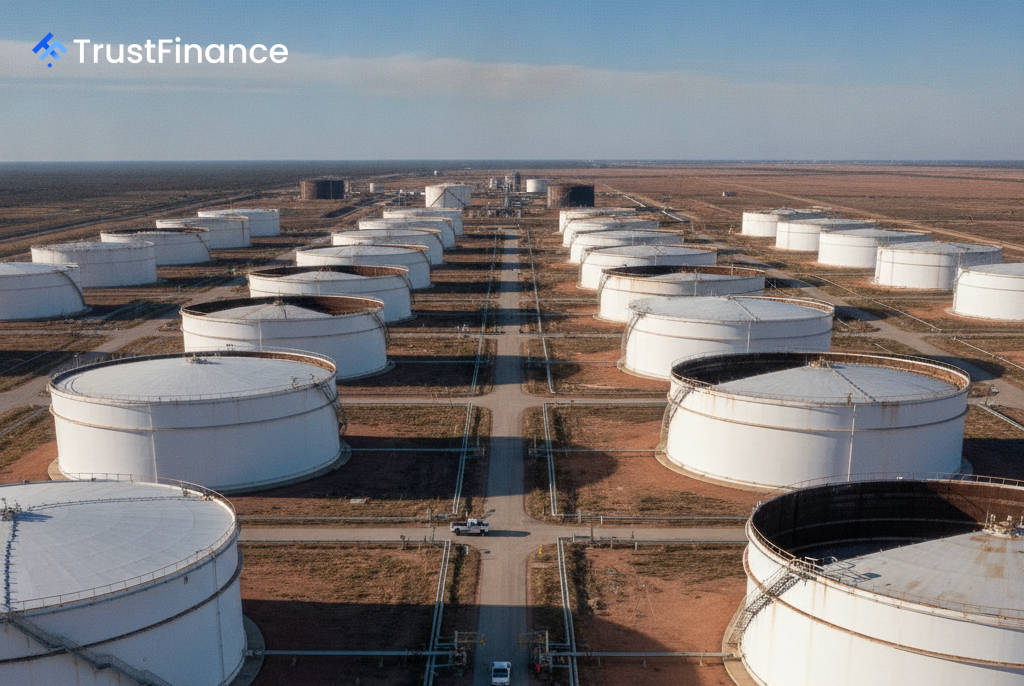
US Strategic Petroleum Reserve Hits Lowest Level Since October 1982
U.S. strategic crude oil inventories fell to 282.6 million barrels last week, a 44-year low, following an emergency release to a Phillips 66 refinery in Louisiana, according to Department of Energy data.