
Story
US Consumers Bear Brunt of Fuel Price Hikes From Iran Conflict, Study Finds

American consumers are shouldering the heaviest financial burden from the global surge in fuel prices caused by the conflict with Iran, paying nearly eight times the global average, according to a new study released Monday. The report attributes the spike to supply disruptions, including the blockade of the Strait of Hormuz.
Key Findings of the Report
The study, conducted by the Finland-based nonprofit Centre for Research on Energy and Clean Air (CREA), calculated the additional costs borne by consumers since the conflict began on February 28. It found that the world has paid an additional $468 billion for fuel from early March to mid-October.
Key takeaways from the analysis include:
- US consumers have paid an average of $471 more per person for fuel.
- This compares to a global average increase of approximately $60 per person.
- In total, the U.S. has shouldered $160 billion of the additional global cost, the highest of any nation. China followed with $54 billion and Canada with $17 billion.
Factors Driving US Costs
 Ad
CREA attributes the disproportionate impact on the United States to several structural factors within its economy and consumer habits. The report highlights the country's heavy reliance on less efficient private vehicles, longer average travel distances, and a relatively slow transition to electric vehicles compared to other nations.
Other countries where consumers have paid significantly more include Canada, Australia, New Zealand, and Belgium, according to the study, which examined data from 169 countries.
Context and Methodology
To arrive at its conclusions, the study compared fuel prices and consumption data from January and February of this year to the period from the beginning of March to mid-October. The source article, citing a Reuters report, notes that the Trump administration views higher fuel prices as a necessary cost for consumers to pay to prevent Iran from obtaining nuclear weapons.
Read next
More on Commodities
Gasoline Prices Under Trump's Second Term Surpass Biden-Era Average, AAA Data Shows
According to data from AAA, the average price for a gallon of regular gasoline during President Donald Trump's second term has now slightly exceeded the average from the preceding Biden administration. The milestone comes as high fuel costs remain a key issue for voters ahead of the November midterm elections.
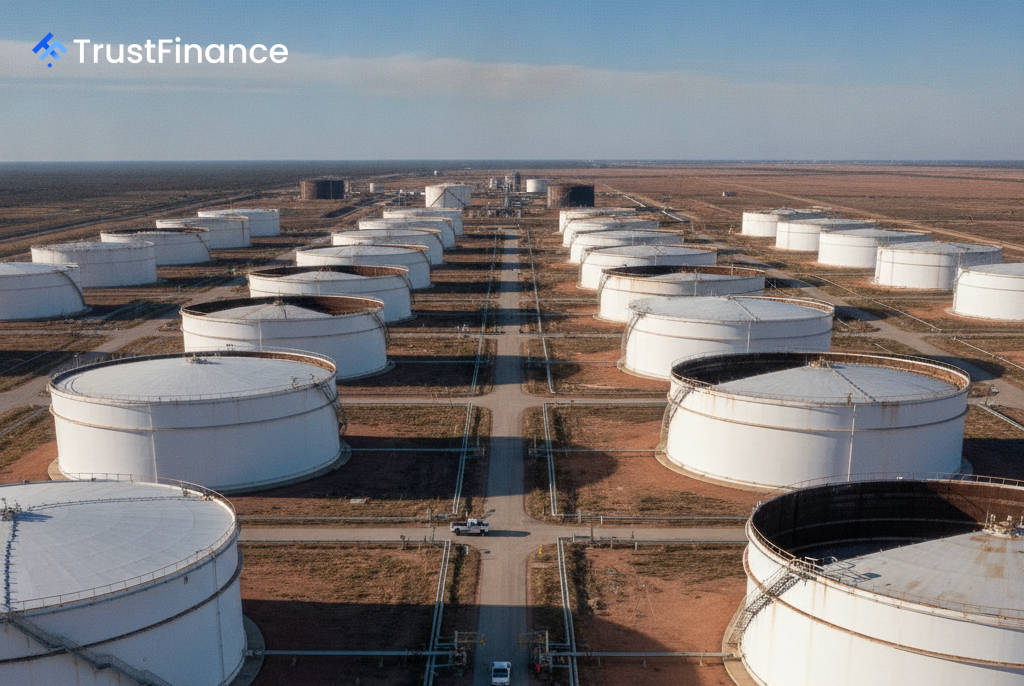
US Strategic Petroleum Reserve Hits Lowest Level Since October 1982
U.S. strategic crude oil inventories fell to 282.6 million barrels last week, a 44-year low, following an emergency release to a Phillips 66 refinery in Louisiana, according to Department of Energy data.
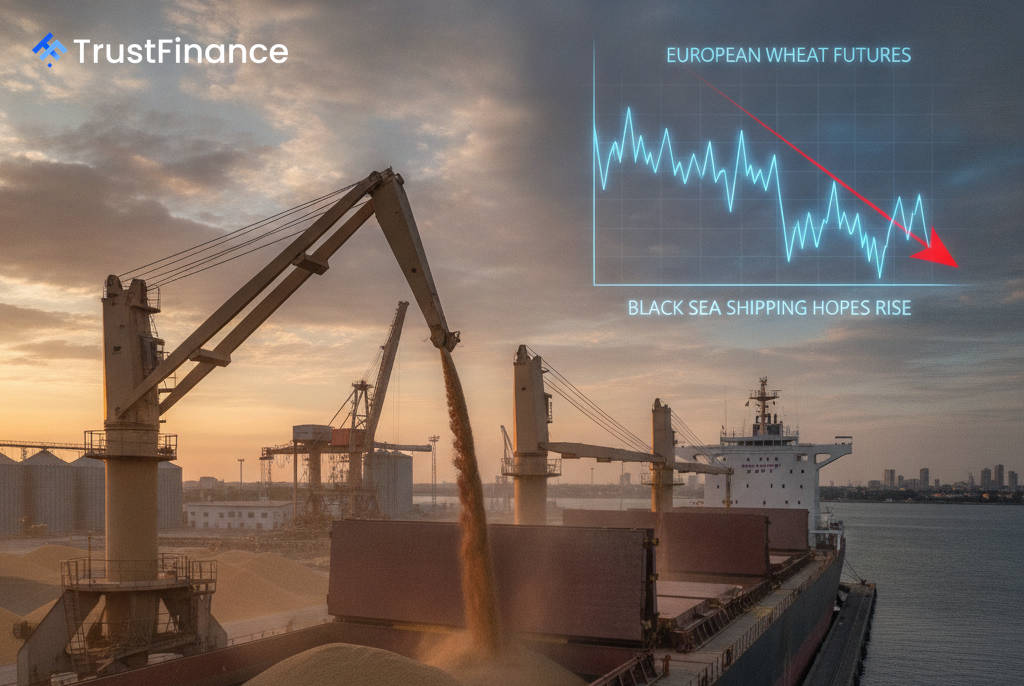
European Wheat Futures Fall to Two-Month Low on Black Sea Shipping Hopes
European wheat prices fell to their lowest level in two months following reports that Russia is in talks with Turkey to ensure safe grain transport in the Black Sea, easing supply concerns.
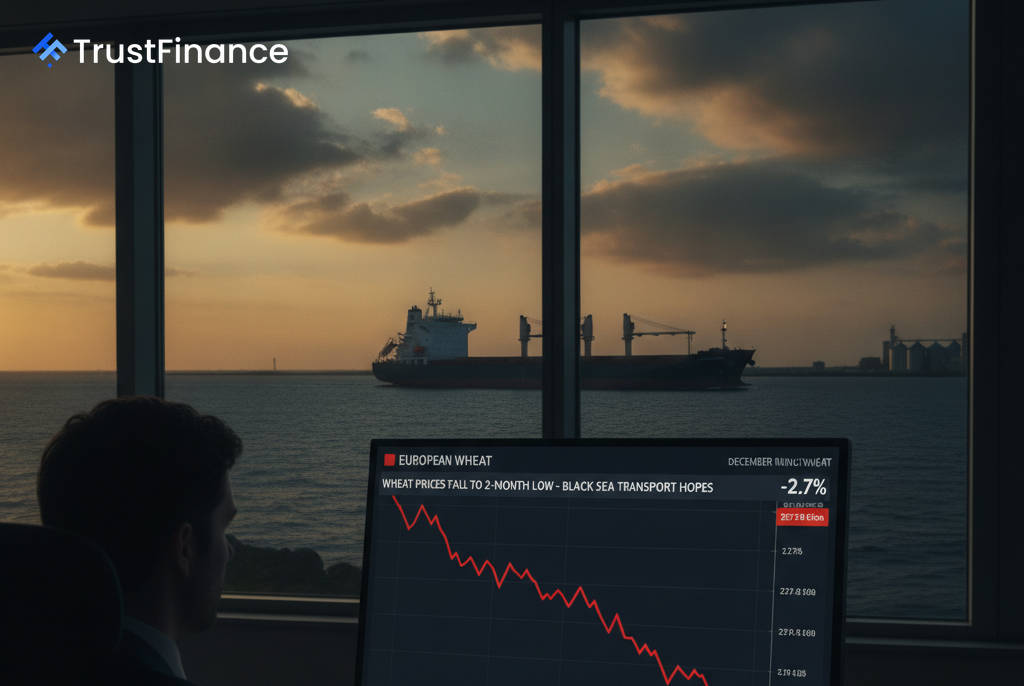
European Wheat Prices Fall to Two-Month Low on Black Sea Transport Talks
Benchmark European wheat futures dropped to their lowest point in two months following reports that Russia is in discussions with Turkey to ensure safe grain passage through the Black Sea.