
Story
New York Sues Kalshi, Alleges Prediction Market Is an Illegal Gambling Operation
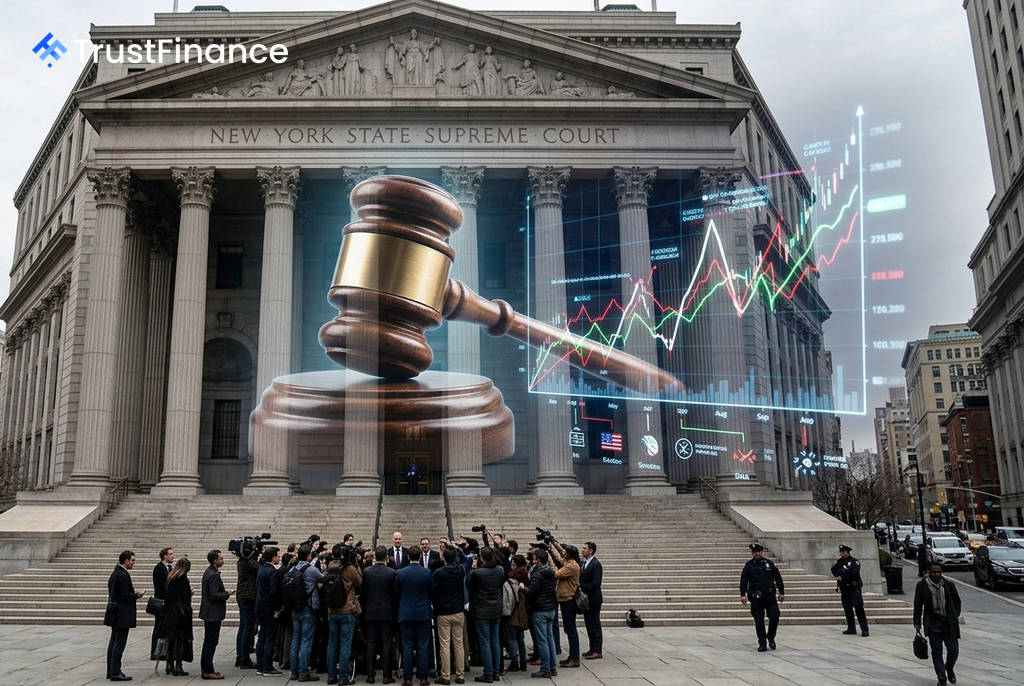
New York's attorney general has sued the event-based trading platform Kalshi, alleging its prediction markets constitute illegal gambling under state law. The lawsuit, filed by Attorney General Letitia James, escalates a growing conflict between the burgeoning prediction market industry and state regulators.
The State's Allegations
The petition, filed Friday in a Manhattan state court, claims Kalshi is operating without a required license from the New York State Gaming Commission. The attorney general's office argues that Kalshi's platform, where users trade contracts based on the outcomes of future events, is a form of gambling because bettors do not control the results.
The lawsuit specifically objects to Kalshi allowing users between the ages of 18 and 20 to access its platform, in contrast to the state's minimum age of 21 for mobile sports betting. "No matter what they call themselves, prediction markets like Kalshi are gambling platforms, plain and simple," James said in a statement, citing concerns over underage betting and gambling addiction.
A Broader Regulatory Battle
This action is the latest in a series of legal challenges facing the industry. In April, James filed similar petitions against two other operators, Coinbase Financial Markets and Gemini Titan. The lawsuits highlight a jurisdictional dispute over who has the authority to regulate these markets.
 Ad
The U.S. Commodity Futures Trading Commission (CFTC) has asserted it has exclusive federal oversight, creating friction with states seeking to enforce their own gambling laws. This legal uncertainty persists even as platforms like Kalshi have gained significant popularity, notably after their performance during the 2024 U.S. presidential election.
Kalshi's Legal Setbacks
The state's lawsuit follows several recent court decisions that went against Kalshi. The company had preemptively sued New York last October to block the state from enforcing its gambling laws. However, on July 8, U.S. District Judge Analisa Torres denied Kalshi's request for a preliminary injunction, ruling that the state's interest in preventing gambling addiction "heavily" outweighed Kalshi's.
Just two days before the attorney general's suit, a federal appeals court rejected Kalshi's request to be shielded from New York's laws while it appeals that decision. New York's lawsuit seeks the forfeiture of illegal gains, civil fines equal to triple those gains, and restitution for customers. At least four other states, including Nevada and Massachusetts, have already secured court orders restricting Kalshi's activities.
Read next
More on Stocks
FTC Orders Walmart, Uber, Delta to Disclose Data on Personalized Pricing
The U.S. Federal Trade Commission is demanding nine major companies, including leading retail, travel, and gig economy firms, to provide information on how they use consumer data for setting individual prices and wages.

Google Launches Gemini 4 Carbon AI Model to Bolster Cybersecurity Capabilities
Alphabet's Google has unveiled Gemini 4 Carbon, its latest AI model specifically designed for advanced cybersecurity tasks like vulnerability detection and secure code generation. The launch escalates competition with rivals OpenAI and Anthropic in the enterprise AI market.

Oracle Shares Surge After Unveiling $225 Billion Revenue Target for 2030
Oracle stock rose sharply after the company presented a long-term financial outlook targeting at least $225 billion in annual revenue by fiscal 2030, driven by its expanding AI infrastructure business.

DOJ Scrutinizes Nvidia's $12.9B Hugging Face Deal Amid Broader Antitrust Probe, Sources Say
The U.S. Department of Justice is reportedly examining Nvidia's planned $12.93 billion acquisition of AI platform Hugging Face as part of a wider, ongoing antitrust investigation into the chipmaker's market conduct.