
Story
Iran Strikes U.S. Military Targets Across Gulf, Escalating Conflict and Roiling Oil Markets
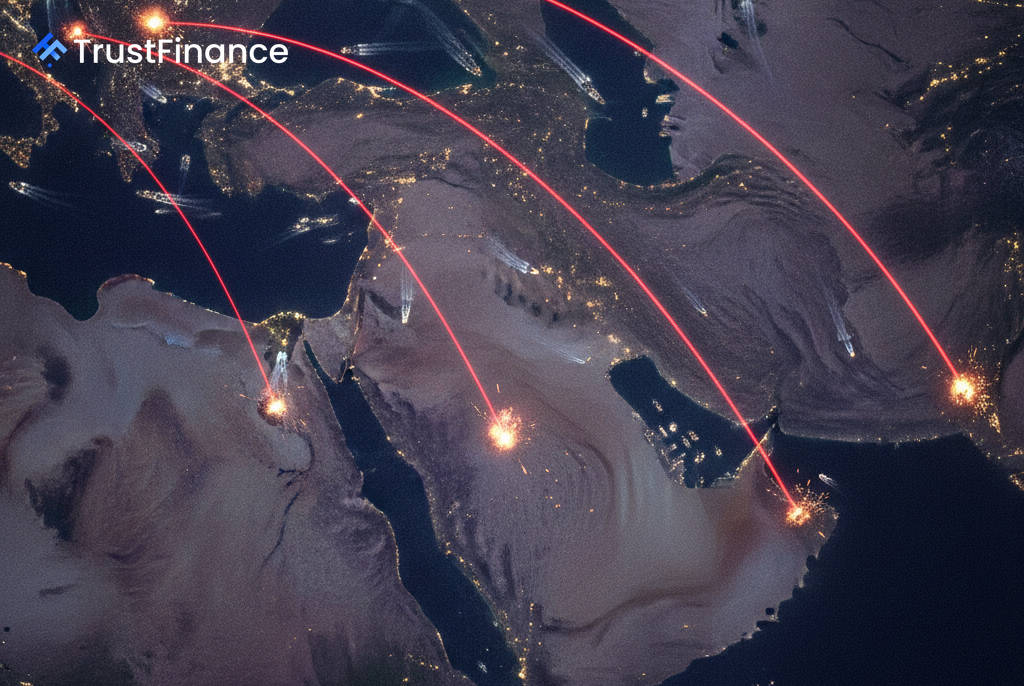
Iran's armed forces have launched retaliatory attacks on U.S. military infrastructure in multiple Gulf states, according to Iranian state media, shattering a three-week-old ceasefire and dramatically escalating a conflict that has throttled global energy supplies. The escalation comes as Iran held funeral ceremonies for its late Supreme Leader, Ayatollah Ali Khamenei, who was killed in an airstrike at the start of the conflict in February.
Tit-for-Tat Strikes End Fragile Truce
Iranian state media reported that its army targeted U.S. military assets across the region. The alleged targets included:
- U.S. Patriot missile systems in Kuwait
- An early-warning site in Qatar
- A U.S. Army fuel depot in Bahrain
- Jordan's Azraq military base, which is used by U.S. forces
Kuwait's armed forces reported engaging multiple missiles and drones, with one person injured by shrapnel, according to Reuters. Jordan's state news agency also reported intercepting missiles. These attacks followed U.S. strikes that U.S. Central Command said hit approximately 90 Iranian military targets, including air defense systems and missile storage sites. A U.S. official, however, told Reuters there had been no American strikes in the most recent hours.
Strait of Hormuz at the Center of Tensions
 Ad
The renewed hostilities center on control of the Strait of Hormuz, a strategic waterway that handled about a fifth of global oil supplies before the war. The U.S. military stated its recent strikes were aimed at keeping the strait open after accusing Iran of attacking three tankers. It said it has facilitated the transit of over 800 commercial vessels since early May.
Iran's Revolutionary Guards countered that U.S. intervention was disrupting the waterway's reopening, which they claimed had recovered to 50% of pre-war levels under Iranian supervision. Iran's top negotiator, Mohammad Baqer Qalibaf, stated on X that the strait would be reopened "only under Iranian arrangements, not through U.S. threats."
Market Impact and Diplomatic Fallout
The escalation introduces significant new risk into global energy markets, which have been on edge since the conflict began. Oil prices, which had spiked on initial reports of renewed fighting, later pared some gains, according to market data. The potential for prolonged disruption to shipping in the Strait of Hormuz remains a primary concern for investors, creating a high potential for price volatility.
Amid the military actions, diplomatic efforts are underway to prevent a wider war. Qatar, which hosts the largest U.S. base in the region, condemned attacks on shipping but called for a return to diplomacy. The foreign ministers of Turkey and Oman also held calls with their Iranian counterpart to stress the need to avoid further escalation, Reuters reported.