
Story
Havana Grapples with Public Health Crisis Amid Severe Water and Power Failures

Summary
A severe degradation of Cuba's water and energy infrastructure, worsened by a U.S. fuel blockade, is causing widespread viral outbreaks in Havana, according to health officials and a recent U.S. health alert.
A critical failure of water and power infrastructure in Havana is fueling a public health crisis, with Cuban and U.S. health authorities warning of a significant rise in viral illnesses. The situation, exacerbated by prolonged blackouts and a U.S. fuel blockade, has left millions of residents facing unsanitary conditions and a rampant spread of disease.
Infrastructure on the Brink
The crisis stems from Cuba's crumbling infrastructure, which is highly dependent on a stable power supply. According to Cuba’s National Institute of Hydraulic Resources, nearly 90% of the island's water system relies on electric-powered pumps. With blackouts in Havana now regularly exceeding 24 hours, the ability to supply water to the capital's nearly two million residents has been severely crippled.
This systemic failure has led to dire consequences for public hygiene. Residents report going days or even weeks without running water, forcing them to scavenge from broken pipes or purchase water from street vendors. Health workers cited by Reuters have noted a sharp increase in illnesses such as diarrhea and viral hepatitis, which thrive in unsanitary conditions.
 Ad
AdOfficial Alarms and Widespread Impact
Both Cuban and U.S. officials have sounded the alarm over the deteriorating situation. Earlier this month, a U.S. health alert warned of a "significant increase in diarrheal illness across Cuba, associated with the continuing degradation of the water and energy infrastructure." Similarly, Cuban health authorities have issued warnings about the spread of viruses, including a strain of viral hepatitis.
The scale of the problem is extensive. The United Nations Office for the Coordination of Humanitarian Affairs has reported that approximately 3.5 million people, representing just under half of Cuba's population, are now suffering from water shortages. The crisis has been intensified since the U.S. imposed a fuel blockade in January, which has hampered the island's ability to generate electricity.
Read next
More on Commodities
Oil Prices Remain Elevated on Risk Premium Despite Mideast Export Recovery, Goldman Sachs Says
Crude oil prices are being supported by a significant geopolitical risk premium even as Persian Gulf exports have returned to 2025 average levels, according to an analysis by Goldman Sachs. The bank points to low global inventories and fears of supply escalation as key factors.
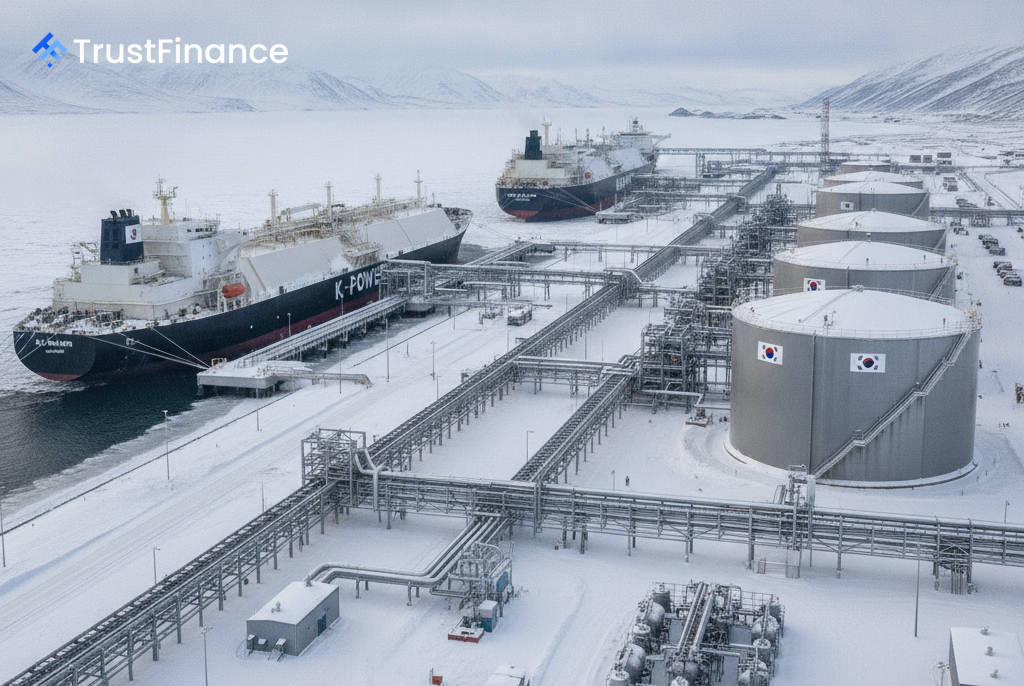
Trump to Announce $54 Billion South Korean Investment in Alaska LNG Project, Sources Say
President Trump is expected to direct $54 billion from a South Korean strategic fund toward the long-stalled Alaska LNG export facility and other U.S. projects, according to people familiar with the plans. The investment could provide a critical financial boost to the project, which has faced years of commercial uncertainty.

Analysts Raise 2026 Oil Price Forecasts as Gulf Supply Disruptions Persist
Economists have increased their 2026 oil price projections, citing prolonged supply disruptions in the Persian Gulf that are expected to outweigh concerns over slowing global demand.

Wheat Futures Rise as Traders Await Key USDA Supply Reports
Chicago wheat futures rebounded from a six-week low on Wednesday, with prices climbing as the market anticipates the U.S. Department of Agriculture's latest data on grain stocks and production.