
Story
Gold Pares Gains as Hawkish Fed Commentary Tempers Post-Decision Rally
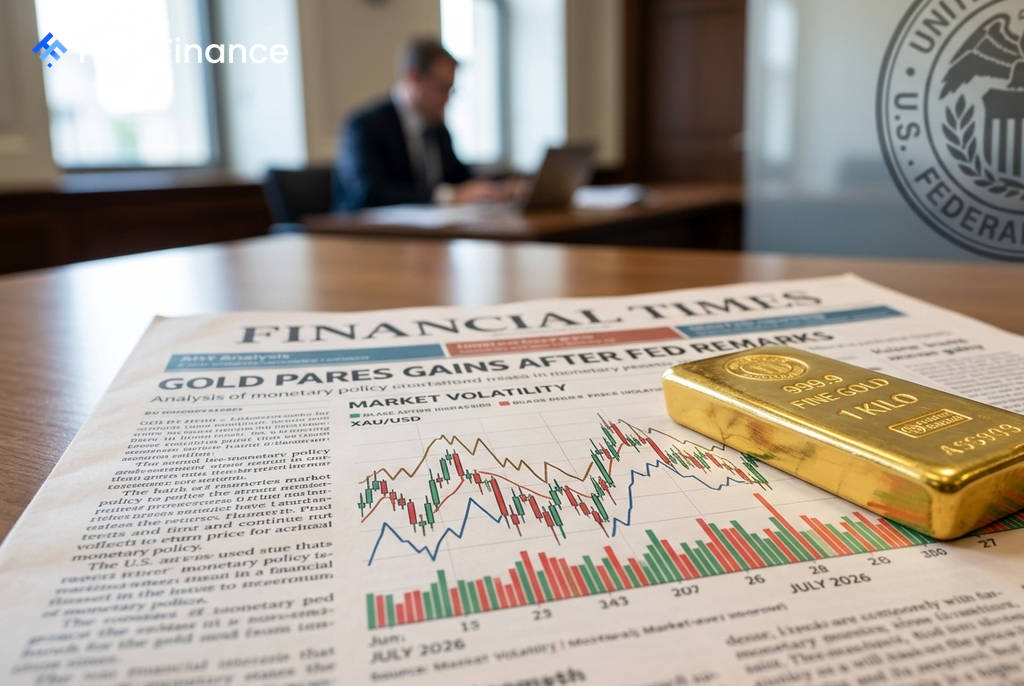
Gold prices pulled back from a one-week high on Thursday, as an initial rally following the Federal Reserve's decision to hold interest rates steady faded after investors digested comments from Chair Kevin Warsh reinforcing the central bank's commitment to fighting inflation.
Spot gold (XAU/USD) was last trading up 0.2% at $4,074.79 an ounce, after earlier climbing as much as 1.2% to a peak of $4,100.42, its highest in a week, according to data from Investing.com. Gold futures for August delivery gained 0.9% to $4,072.40 an ounce.
Fed Decision Drives Volatility
The precious metal initially surged after the Federal Reserve's policy announcement, as the decision to leave rates unchanged prompted an immediate drop in U.S. Treasury yields and the dollar. The move increased the appeal of non-yielding assets like gold.
However, the rally lost momentum as Chair Warsh reiterated the Fed’s firm commitment to returning inflation to its 2% target. This hawkish tone led to a recovery in the U.S. Dollar Index, which was last little changed around 100.9, and a rebound in Treasury yields, limiting further upside for bullion. According to ANZ analysts, markets concluded that policymakers remain inclined to keep borrowing costs elevated, causing gold to surrender most of its gains.
 Ad
Market Outlook and Geopolitical Risks
Despite the hawkish commentary, markets have lowered expectations for an imminent rate hike. The probability of a September rate increase has fallen to roughly 64%, down from about 81% before the Fed's announcement, according to the CME FedWatch Tool.
Investors are also monitoring geopolitical tensions in the Middle East after the U.S. launched new strikes against Iran. The escalation has kept oil prices elevated, fueling concerns that persistent energy costs could contribute to sticky inflation and complicate the Fed's path toward monetary easing. Traders now await Thursday’s U.S. Personal Consumption Expenditures (PCE) price index, the Fed's preferred inflation gauge, for further clues on the direction of interest rates.
Read next
More on Stocks
FTC Orders Walmart, Uber, Delta to Disclose Data on Personalized Pricing
The U.S. Federal Trade Commission is demanding nine major companies, including leading retail, travel, and gig economy firms, to provide information on how they use consumer data for setting individual prices and wages.

Google Launches Gemini 4 Carbon AI Model to Bolster Cybersecurity Capabilities
Alphabet's Google has unveiled Gemini 4 Carbon, its latest AI model specifically designed for advanced cybersecurity tasks like vulnerability detection and secure code generation. The launch escalates competition with rivals OpenAI and Anthropic in the enterprise AI market.

Oracle Shares Surge After Unveiling $225 Billion Revenue Target for 2030
Oracle stock rose sharply after the company presented a long-term financial outlook targeting at least $225 billion in annual revenue by fiscal 2030, driven by its expanding AI infrastructure business.

DOJ Scrutinizes Nvidia's $12.9B Hugging Face Deal Amid Broader Antitrust Probe, Sources Say
The U.S. Department of Justice is reportedly examining Nvidia's planned $12.93 billion acquisition of AI platform Hugging Face as part of a wider, ongoing antitrust investigation into the chipmaker's market conduct.