
Story
Germany to Procure US Tomahawk Missiles in Major Defense Policy Shift
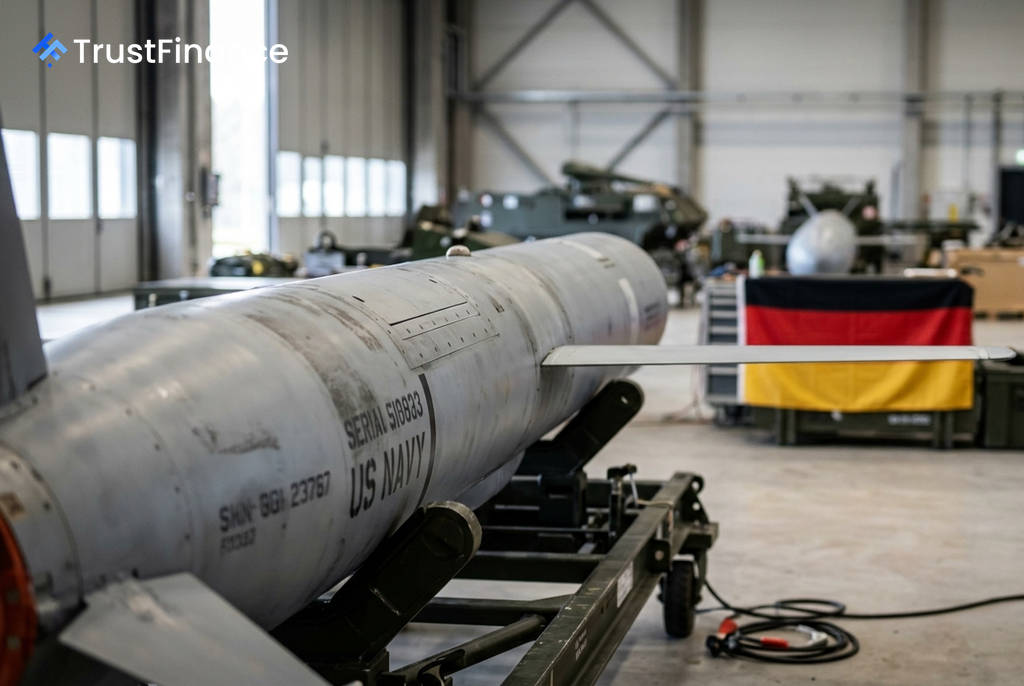
Germany will purchase Tomahawk cruise missiles from the United States and station them on its own soil, a significant strategic shift that establishes a domestic long-range strike capability. The agreement marks a change from a previous plan that involved the deployment of U.S. missile systems to Germany.
A New Defense Posture
German Chancellor Friedrich Merz confirmed the deal on Thursday, stating he had finalized the agreement with the U.S. government during a NATO summit in Ankara, according to a Reuters report. "We are closing a critical strategic gap in our defence, while simultaneously working to develop our own European systems and station them in Europe," Merz told lawmakers.
According to German government sources, the U.S. committed to approving the procurement in a letter of intent signed on Tuesday. The deal includes not only the Tomahawk missiles but also the corresponding ground-based Typhon launcher systems. The total number of missiles and launchers Germany plans to acquire remains classified.
Geopolitical Context
 Ad
The decision to purchase the systems directly follows a period of uncertainty. A previous plan under a prior U.S. administration involved deploying an American battalion equipped with Tomahawks to Germany as a deterrent against Russia. However, that plan was cast into doubt after U.S. President Donald Trump announced in May his intention to reduce the U.S. military presence in the country.
This procurement aligns with the Trump administration's broader push for European allies to increase their own defense spending and take on more responsibility for their security. The purchase provides Germany with a crucial interim capability, as its domestically produced Taurus cruise missiles have a range of approximately 500 km, about three to five times shorter than that of the Tomahawk.
Market Implications
The deal represents a significant contract for the U.S. defense industry. The Tomahawk missile is a key product of RTX Corporation (formerly Raytheon Technologies), while the Typhon launch system is developed by Lockheed Martin. For investors, this move underscores the trend of increased defense spending among NATO allies, a key driver for the aerospace and defense sector.