
Story
Georgian Opposition Leader Aleko Elisashvili Sentenced to 13 Years on Terrorism Charge
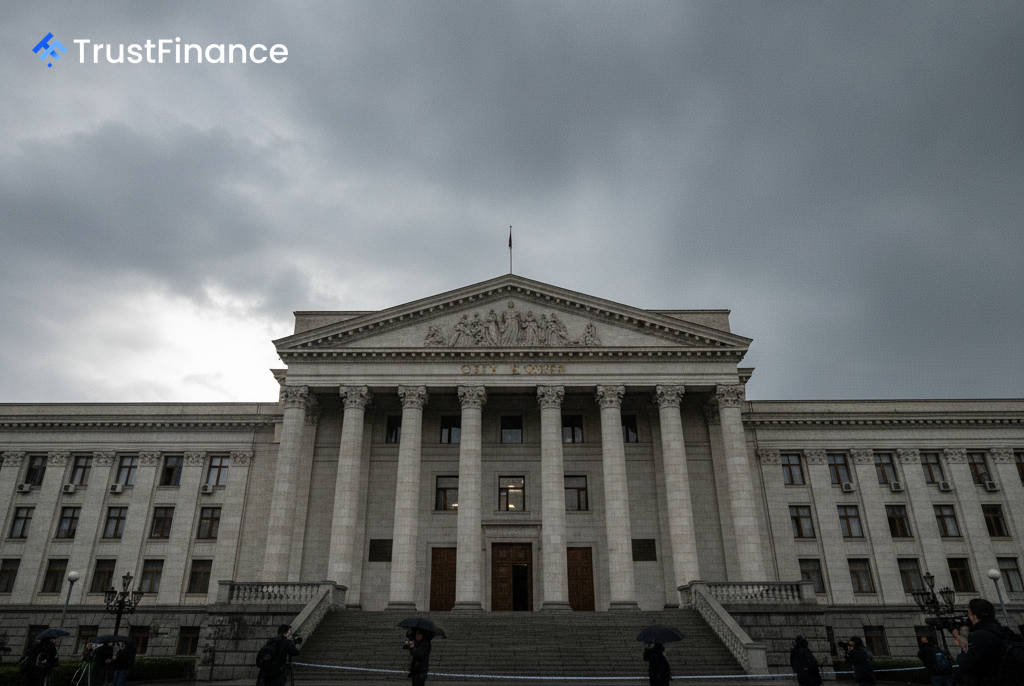
A Georgian court has sentenced opposition politician Aleko Elisashvili to 13 years in prison after finding him guilty of an attempted terrorism charge. The verdict, reported by the Interpress news agency on Friday, stems from an incident last year and highlights the deepening political friction within the nation.
Details of the Verdict
The court convicted Elisashvili, a founder of the Citizens party, for attempting to set fire to the Tbilisi City Court’s chancellery building in November 2025. According to the court's findings, Elisashvili:
- Broke into the building by smashing a window with a hammer.
- Poured gasoline inside the premises.
- Attempted to ignite the fuel.
Elisashvili had pleaded not guilty, framing his actions as a protest against what he described as a government crackdown on the opposition. In his final address to the court, he stated, "I wanted to spit in the face of this government, to show that they cannot oppress us," according to Radio Free Europe/Radio Liberty’s Georgian service.
Political Context and EU Relations
 Ad
The sentencing occurs against a backdrop of growing international concern over democratic backsliding in Georgia. Critics of the government argue that the country has become increasingly authoritarian, particularly since the start of the war in Ukraine. Several other opposition figures are currently imprisoned.
The ruling Georgian Dream party has accused the opposition of attempting to organize violent coups and is seeking to ban the political coalition that includes Elisashvili's party. These developments have strained Georgia's relationship with the European Union, which the country formally aspires to join. The political climate and legal actions against opposition members are seen by Brussels as a significant impediment to its membership ambitions.
Implications for Investors
For investors, the verdict underscores the heightened political risk in Georgia. Such high-profile cases against opposition leaders can create an environment of instability and uncertainty, potentially deterring foreign direct investment.
The strained ties with the EU are a key risk factor. A failure to align with EU standards on democracy and the rule of law could jeopardize future economic integration, access to funding, and trade benefits, impacting the long-term outlook for businesses operating in the country.