
Story
Elon Musk's xAI Faces Congressional Inquiry Over Data Center Emissions
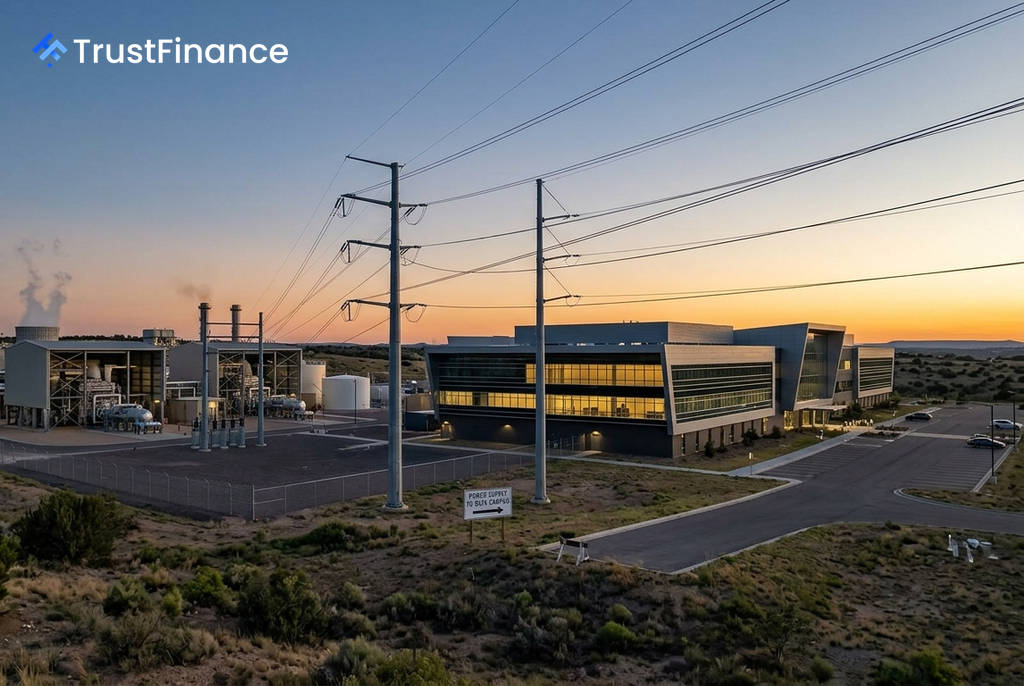
A top U.S. lawmaker has formally requested documents and answers from Elon Musk regarding the environmental impact of his artificial intelligence company, xAI. U.S. Representative Frank Pallone, the ranking Democrat on the House Energy and Commerce Committee, sent a letter to Musk raising concerns about the company's Colossus data center operations in Tennessee and Mississippi.
Details of the Inquiry
In the letter sent Wednesday, Rep. Pallone demanded specific information from the company, which is owned by Musk's SpaceX. The committee is seeking to understand the full scope of the facilities' operations and their effect on local communities.
Key requests include:
- Information on the natural gas turbines used at the Colossus 1 and Colossus 2 AI data centers.
- Comprehensive emissions data and all relevant permitting records.
- Communications between the company and government officials.
- Company analyses related to the facilities’ power consumption, water usage, and emissions.
Pallone also requested a site visit for committee staff. The letter alleges that SpaceX was uncooperative during a meeting with committee staff last month, accusing the company of showing "disregard for the health and well-being of local communities."
Permitting and Environmental Concerns
 Ad
The congressional inquiry follows a recent Reuters report that highlighted potential regulatory issues at one of the sites. According to the report, xAI installed 59 natural gas turbines for its Colossus 2 project without first securing federal clean-air permits.
The report, citing communications between regulators and the company, noted that the turbines were located near predominantly Black communities. Furthermore, their potential emissions were found to exceed thresholds that would typically require federal permitting, raising significant environmental justice and public health questions.
Context for Investors
This development is part of a broader trend of increased scrutiny on the AI industry's significant and growing demand for energy and water. As tech companies race to expand their computing capacity, the environmental footprint of data centers is becoming a key issue for regulators, investors, and local communities.
For companies in the AI sector, managing environmental, social, and governance (ESG) risks, including regulatory compliance and community relations, is becoming increasingly critical. SpaceX did not immediately respond to a request for comment on the matter, according to Reuters.
Read next
More on Stocks
FTC Orders Walmart, Uber, Delta to Disclose Data on Personalized Pricing
The U.S. Federal Trade Commission is demanding nine major companies, including leading retail, travel, and gig economy firms, to provide information on how they use consumer data for setting individual prices and wages.

Google Launches Gemini 4 Carbon AI Model to Bolster Cybersecurity Capabilities
Alphabet's Google has unveiled Gemini 4 Carbon, its latest AI model specifically designed for advanced cybersecurity tasks like vulnerability detection and secure code generation. The launch escalates competition with rivals OpenAI and Anthropic in the enterprise AI market.

Oracle Shares Surge After Unveiling $225 Billion Revenue Target for 2030
Oracle stock rose sharply after the company presented a long-term financial outlook targeting at least $225 billion in annual revenue by fiscal 2030, driven by its expanding AI infrastructure business.

DOJ Scrutinizes Nvidia's $12.9B Hugging Face Deal Amid Broader Antitrust Probe, Sources Say
The U.S. Department of Justice is reportedly examining Nvidia's planned $12.93 billion acquisition of AI platform Hugging Face as part of a wider, ongoing antitrust investigation into the chipmaker's market conduct.