
Story
Dollar Stabilizes After Steepest Drop Since April as Traders Await Fed Cues
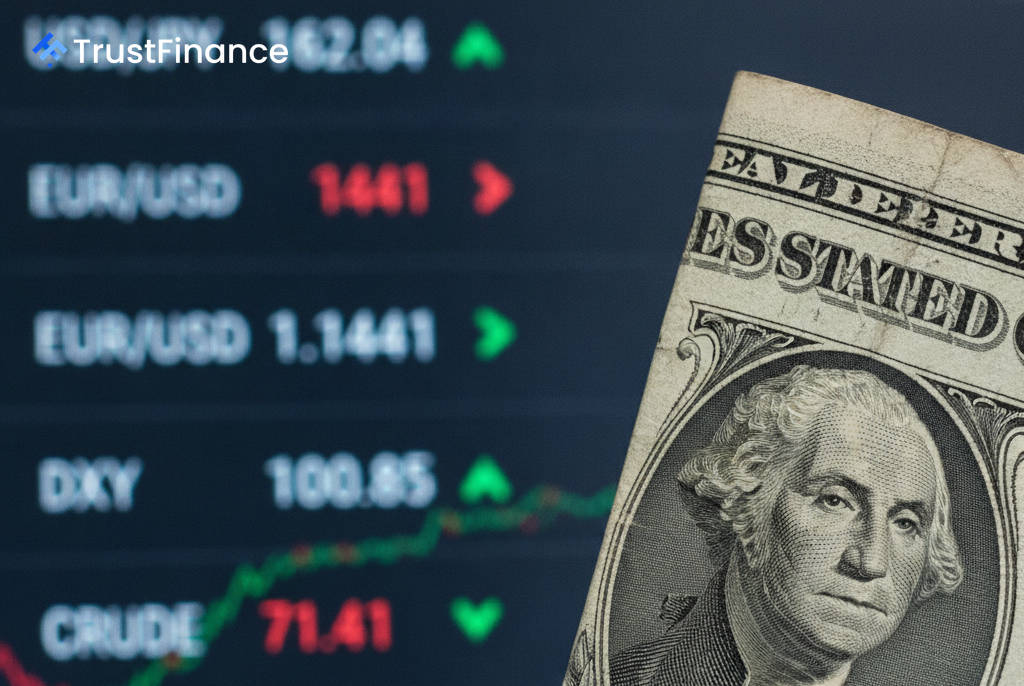
The U.S. dollar was little changed in Monday trading, stabilizing after experiencing its sharpest daily decline since the end of April during the previous session. Currency markets are keenly focused on the U.S. Federal Reserve's monetary policy outlook for future direction.
At 16:02 ET, the U.S. Dollar Index (DXY), which measures the greenback against a basket of six major currencies, was trading near the flatline at 100.85, according to Investing.com data.
Fed Policy in the Spotlight
The dollar's pause follows a 0.5% slide on Thursday, triggered by a softer-than-expected June nonfarm payrolls report. The data suggested a resilient but not overly strong labor market, which traders interpreted as giving the Fed more flexibility to keep interest rates on hold.
Investor attention now turns to the minutes from the Fed’s June meeting, scheduled for release on Wednesday, for further insight into policymakers' thinking. According to the source, comments from new Fed Chair Kevin Warsh last month indicated a shift away from forward guidance to focus solely on inflation. Warsh also recently noted that inflation risks had moderated, a view supported by falling oil prices.
 Ad
Yen Weakness Persists, Euro Holds Steady
In other major currency markets, the Japanese yen continued to show weakness, with the USD/JPY pair climbing 0.4% to 162.04. The yen has been trading near a 40-year low and has remained above the 160 per dollar level since mid-June, a threshold that has previously prompted intervention by Japanese authorities.
While softer U.S. economic data offers some temporary relief for the yen, analysts at ING noted that more hawkish communication from the Bank of Japan is likely needed to prevent the dollar from rebounding against the currency. Tokyo last intervened in the currency markets in late April and early May.
Meanwhile, the euro was slightly higher against the dollar at $1.1441. The currency showed a muted reaction to fresh economic data from the Eurozone. Eurostat reported that industrial producer prices rose 5.9% year-over-year in May, driven by energy costs, while retail sales ticked up 0.2% for the month.