
Story
Dollar Gains as French Social Unrest Drags on Euro, U.S. Yields Rise

The U.S. dollar advanced against a basket of major currencies on Monday, driven primarily by a weakening euro amid escalating social turmoil in France. The U.S. dollar index (DXY), which measures the greenback's strength against six peers, rose 0.2% to 102, recovering from its first weekly loss in five weeks.
Euro Falters Amid French Protests
The euro faced significant selling pressure as investors reacted to violent protests across France over the weekend. The unrest, fueled by soaring living costs and concerns over public services, has intensified pressure on President Emmanuel Macron's government.
The single currency slipped 0.3% to $1.1210. Market reaction was also visible in sovereign debt markets, where the spread between French government bonds and German Bunds widened. According to the report, the cost to insure French debt using credit default swaps (CDS) also climbed to multi-year highs, signaling rising investor concern.
"So long as the images of chaos remain on TV, the inclination will be to sell the EUR and push France sovereign spreads higher," said Thierry Wizman, global FX and rates strategist at Macquarie, in a note cited by Investing.com. Wizman added that potential deposit flight from France could prompt intervention from the European Central Bank, which would likely weaken the euro further.
U.S. Yields Climb
 Ad
The dollar also found support from a sell-off in the U.S. bond market, which reportedly saw some spillover from the dumping of European bonds. The benchmark 10-year Treasury yield rose 4.5 basis points to 5.145%, while the more policy-sensitive 2-year Treasury yield advanced 4 basis points to 4.776%.
Higher Treasury yields typically make the dollar more attractive to investors seeking returns. Last week, the dollar had softened slightly as traders tempered expectations for a near-term Federal Reserve interest rate hike, according to the source material.
Other Currency Movements
- Japanese Yen: The yen weakened to 158.53 per dollar as traders weighed comments from Bank of Japan Governor Kazuo Ueda suggesting that underlying inflation was moving toward the central bank's 2% target, reinforcing expectations for gradual policy normalization.
- Canadian Dollar: The loonie strengthened to 1.4110 per U.S. dollar after Statistics Canada reported that consumer price inflation accelerated to 3.1% year-over-year in September, boosting expectations for hawkish policy from the Bank of Canada.
- Indonesian Rupiah: The rupiah stabilized after a four-day slide that took it to a nearly three-month low. The sell-off was reportedly triggered by a proposal from index compiler MSCI to downgrade Indonesia's equity market.
Read next
More on Forex
Pound Sterling Rises on Surprise UK Growth as Dollar Falters
The British pound gained against a weakening U.S. dollar after UK economic data for August unexpectedly showed growth. The dollar's decline was attributed to concerns over debt in the AI sector, overriding recent hot inflation data.
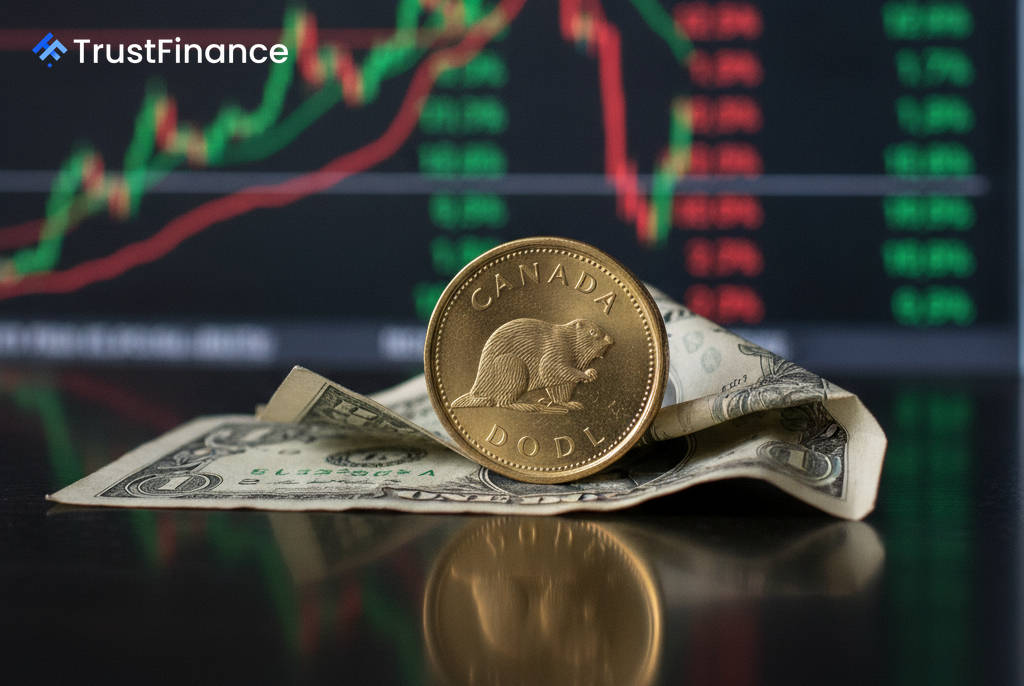
Canadian Dollar Strengthens, but Hot U.S. PPI Report Raises Inflation Alarms
The Canadian dollar gained against its U.S. counterpart on Thursday, even as a surprisingly high U.S. producer price index report intensified concerns about persistent inflation and further Federal Reserve tightening.

Argentina Halts Domestic Dollar Bond Sales as Yields Spike Above 12%
Argentina has suspended its domestic issuance of dollar-denominated bonds for the second straight month after yields surged past 12%, complicating its debt repayment strategy.

Dollar's Four-Week Rally Ends; Indonesian Rupiah Tumbles on MSCI Downgrade Threat
The U.S. dollar posted its first weekly loss in over a month as falling Treasury yields reduced its appeal, while Indonesian markets faced a sharp sell-off on a proposed downgrade from index provider MSCI.