
Story
China Halts Helium Exports Amid Middle East Tensions, Citing Supply Risks for Chip Industry
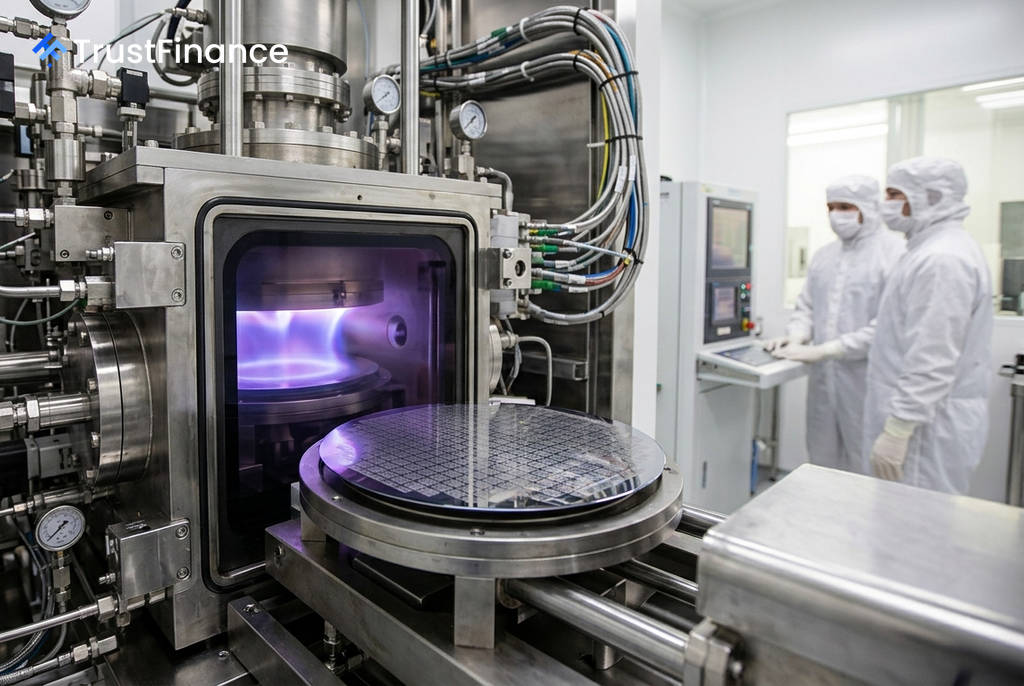
China suspended helium exports with immediate effect on Friday, a move aimed at protecting its domestic supply as escalating tensions in the Middle East threaten to disrupt the global market. The decision introduces a new layer of uncertainty for the semiconductor industry, which depends on the inert gas for several critical manufacturing processes.
Safeguarding Domestic Supply
The export halt is a direct response to renewed fighting in the Middle East involving Iran, which has raised concerns about the stability of global helium shipments, according to a report from Investing.com. The measure appears designed to ensure China has sufficient supply for its own industries, particularly chip manufacturing, which has previously faced shortages.
Helium is an essential and non-substitutable element in high-tech manufacturing. Its applications in the semiconductor fabrication process include:
- Cooling advanced equipment
- Plasma etching
- Chemical vapor deposition (CVD) and atomic layer deposition (ALD)
- Supporting lithography processes
- Leak detection
China's Strategic Vulnerability
 Ad
Despite exporting some surplus volumes to regional markets, China remains highly dependent on foreign helium. Imported supplies account for approximately 85% of the country's total helium consumption, leaving its advanced manufacturing sector vulnerable to international supply shocks.
Qatar, one of the world's largest helium producers, has historically supplied more than 50% of China's imports. Previous disruptions in the Gulf region linked to the Iran conflict have demonstrated the fragility of this supply chain, prompting Beijing to take preemptive measures to secure its own access.
A Pattern of Export Controls
This action is consistent with China's broader strategy of controlling exports of strategic materials during periods of market volatility or geopolitical stress. In the past, Beijing has imposed similar curbs on shipments of commodities such as fuel, fertilizers, and sulphuric acid to prioritize domestic needs over international sales.