
Story
CFPB Layoff Lawsuit Halted as Senate Considers Director Nominee
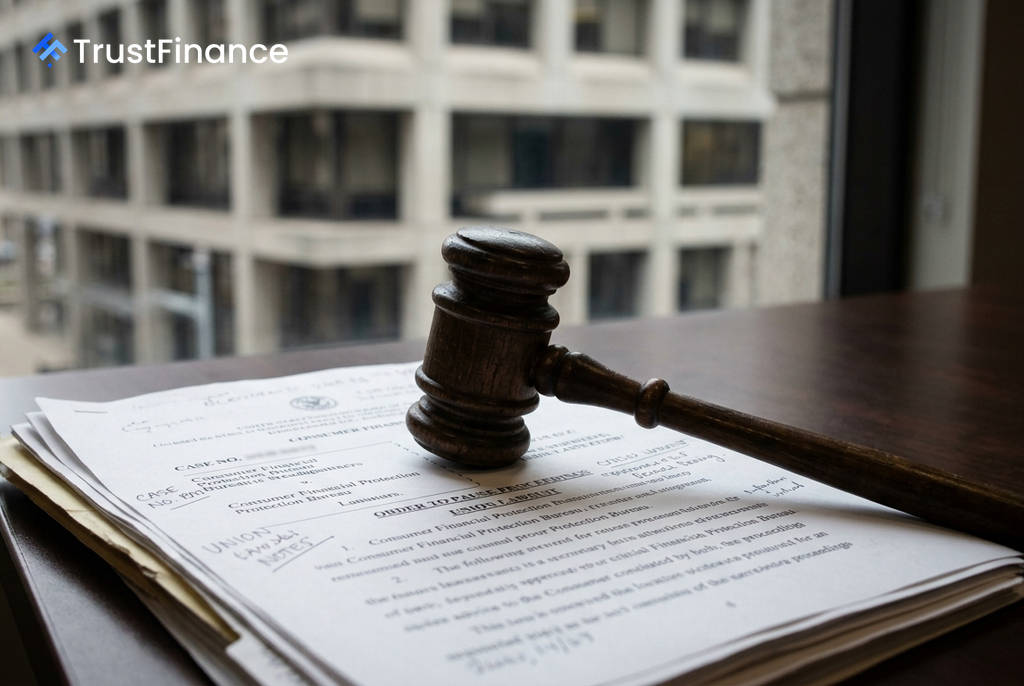
A federal judge has paused a lawsuit brought by a union to block the Trump administration from implementing deep staff cuts at the Consumer Financial Protection Bureau (CFPB). The hold, detailed in court records from Friday, is intended to last until the Senate confirms a new director for the consumer finance watchdog.
Lawsuit Put on Hold
U.S. District Judge Amy Berman Jackson issued an order on Friday pausing the legal proceedings. The decision came after both the administration and the union filed a joint motion, agreeing that the nominee for director, Capital One executive Brian Johnson, should have the opportunity to review and decide on the proposed layoffs if he is confirmed.
Judge Jackson had previously imposed a preliminary injunction preventing the administration from carrying out mass firings while the case was litigated. The new order requires both parties to notify the court within two days of a Senate confirmation vote on Johnson's nomination, at which point the case could resume or be re-evaluated.
Context of the Dispute
The legal battle centers on a revised administration plan, unveiled in April, to dramatically shrink the consumer watchdog. The proposal would reduce the CFPB's workforce to 556 employees, which is less than a third of its size when President Trump took office.
The plan calls for particularly sharp reductions in the agency's core regulatory functions, including:
 Ad
- An 80% cut to positions in the enforcement division.
- An 85% cut to positions in the supervision division.
This move represents a potential shift from the stance of the CFPB's acting director, Russell Vought, who has publicly advocated for the agency's elimination. Vought, who also serves as the president's budget director, is legally required to step down from the acting CFPB role in early August.
The Future of the CFPB
Congress established the CFPB in the wake of the 2008 financial crisis to police predatory lending and oversee consumer financial markets. The Trump administration has criticized the agency for what it calls politicized enforcement and an undue burden on businesses.
Consumer advocates, however, argue that weakening the bureau would remove critical protections for the public and benefit politically connected financial firms. The confirmation of Brian Johnson, a former top CFPB official, and his subsequent decision on the layoff plan will be a pivotal moment for the future direction and enforcement capacity of the agency.