
Story
California, 11 States Sue to Block $110 Billion Paramount-Warner Bros. Merger
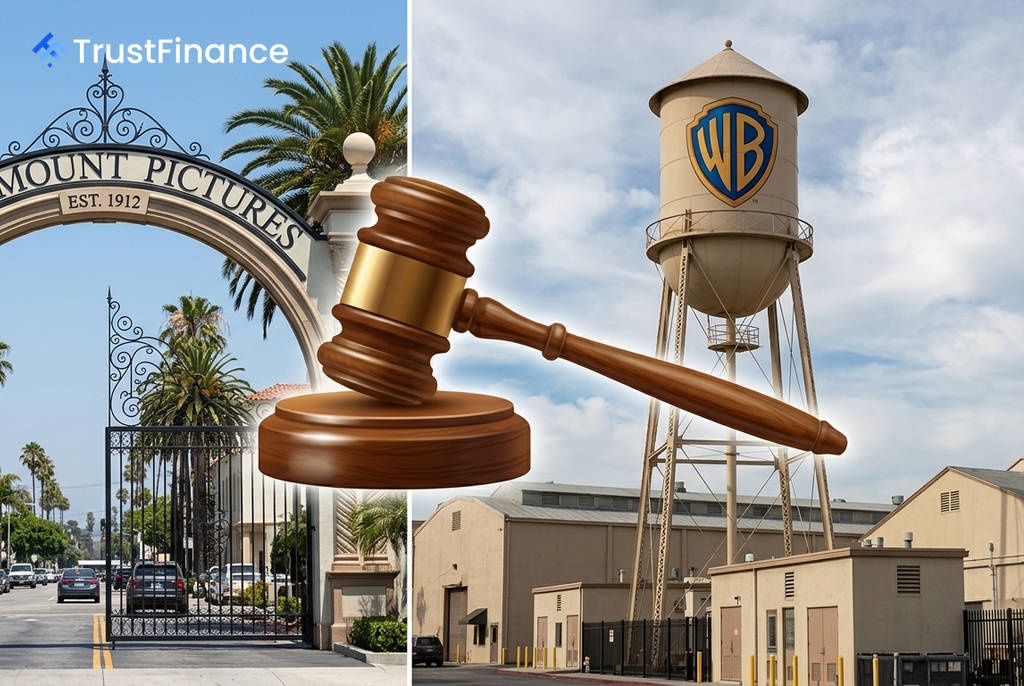
A coalition of 12 states, led by California, has filed a lawsuit to block Paramount's proposed $110 billion acquisition of Warner Bros. Discovery. The legal challenge poses a significant obstacle to a mega-merger that aims to create a media giant capable of competing with Netflix and Disney.
Antitrust Concerns
The lawsuit, announced Monday, alleges that the combination would substantially lessen competition in the film distribution and cable television markets. According to the states' filing, the merged entity would control a dominant share of the U.S. media landscape, including:
- 27% of the film distribution market
- 30% of blockbuster film distribution
- 27% of the market for basic cable channels
"With this lawsuit, California and our sister states are fighting for free and fair markets, not rigged markets," California Attorney General Rob Bonta said in a statement. The states argue the consolidation would ultimately harm movie theaters and pay-TV distributors.
High Stakes for the Deal
 Ad
The legal battle introduces significant uncertainty and financial risk for Paramount. The company has committed to paying Warner Bros. Discovery shareholders approximately $650 million each quarter if the deal does not close before October. A prolonged court case, which could take months to resolve, threatens to trigger these payments and could force Paramount to renegotiate the deal's financing or even abandon the transaction.
This state-level challenge comes after the U.S. Department of Justice had previously cleared the deal, stating it posed no competition problems. Industry groups, including actors, writers, and theater owners, have also voiced opposition, fearing the merger would lead to fewer films and job losses.
Competing Visions
Paramount has publicly countered these concerns, arguing the merger would enhance its ability to create content. CEO David Ellison has stated the combined studios would release 30 movies a year. The company projects the deal will unlock $6 billion in cost savings from redundant infrastructure, marketing, and corporate positions, allowing it to invest more in production.