
Story
Banned Mercury-Laden Skin Creams Still Sold on Amazon, Temu, TikTok Shop
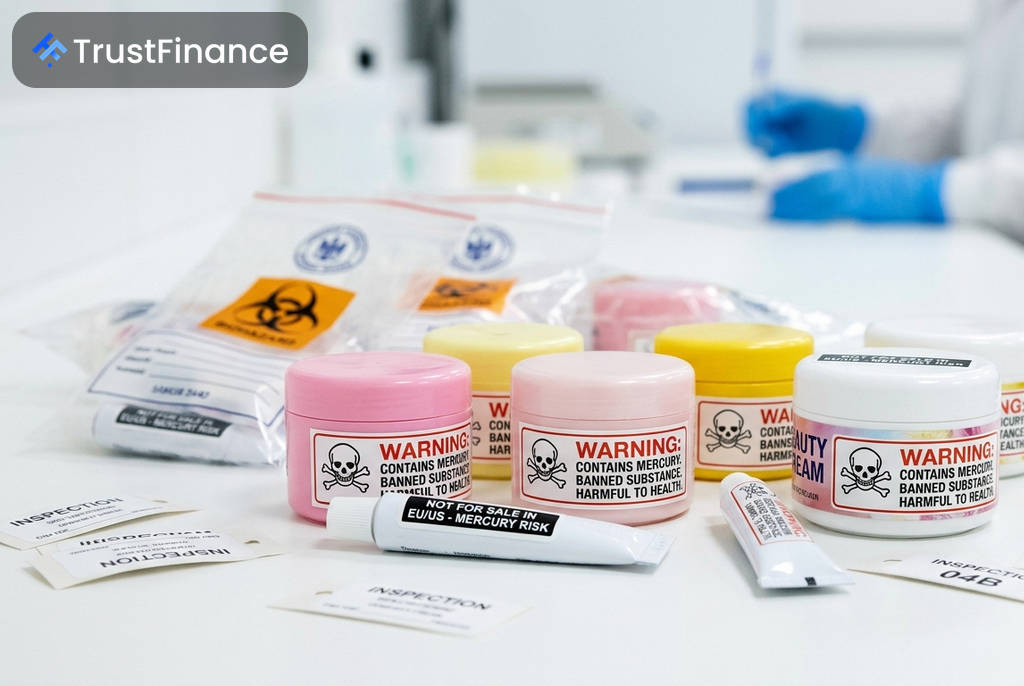
More than 20 skin-lightening products containing banned levels of mercury remain for sale on major e-commerce marketplaces including Amazon, Temu, and TikTok Shop, according to a Reuters investigation. The findings highlight ongoing enforcement challenges and potential liabilities for the platforms more than a decade after an international treaty prohibited such products.
Widespread Availability Despite Ban
The continued sale of these products contravenes the 2013 Minamata Convention, an international treaty signed by over 150 nations that banned the manufacture and trade of cosmetics with mercury. According to the World Health Organization (WHO), mercury can cause severe damage to the kidneys, brain, and nervous system, and there is no known safe level of exposure.
A Reuters review found banned products available on Amazon's third-party marketplaces in the U.S., France, India, the UAE, and Belgium, as well as on platforms operated by Temu and TikTok. The U.S. Food and Drug Administration (FDA) restricts mercury in cosmetics to no more than 1 part per million, but many illegal products contain significantly higher levels. Sellers reportedly use deceptive tactics, such as altering product names or blurring images, to evade detection by the platforms.
E-Commerce Platforms Under Scrutiny
In response to the findings, Amazon, Temu, and TikTok all stated that they prohibit the sale of these products and are taking steps to remove the listings and penalize the sellers. Amazon noted it has "proactive controls in place" and works with regulators to update its enforcement, while TikTok said it was removing products that violate its rules against skin bleaching.
 Ad
Despite these policies, the platforms face persistent challenges in policing their vast third-party marketplaces. Public health advocates and legal experts note that the business model of some platforms, which positions them as mere conduits for sellers, complicates liability. Amazon previously settled a lawsuit in California over the sale of mercury-laden creams on its U.S. platform.
Market Dynamics and Regulatory Hurdles
Skin lightening is a multibillion-dollar industry, and the demand for fast-acting, low-cost products creates a persistent market for illegal goods. Mercury is a cheap and effective lightening agent, making it an attractive ingredient for illicit manufacturers.
A 2021 Boston University study found that legal skin-lightening products cost an average of $24.89 per ounce, while Reuters found mercury-containing products for sale at around $6.50 per ounce. Regulators like the FDA and WHO acknowledge the significant challenges of enforcing bans across global e-commerce sites. The FDA has issued warning letters to manufacturers and recently published a list of skin-lightening creams to avoid, signaling continued focus on the issue.
Read next
More on Stocks
FTC Orders Walmart, Uber, Delta to Disclose Data on Personalized Pricing
The U.S. Federal Trade Commission is demanding nine major companies, including leading retail, travel, and gig economy firms, to provide information on how they use consumer data for setting individual prices and wages.

Google Launches Gemini 4 Carbon AI Model to Bolster Cybersecurity Capabilities
Alphabet's Google has unveiled Gemini 4 Carbon, its latest AI model specifically designed for advanced cybersecurity tasks like vulnerability detection and secure code generation. The launch escalates competition with rivals OpenAI and Anthropic in the enterprise AI market.

Oracle Shares Surge After Unveiling $225 Billion Revenue Target for 2030
Oracle stock rose sharply after the company presented a long-term financial outlook targeting at least $225 billion in annual revenue by fiscal 2030, driven by its expanding AI infrastructure business.

DOJ Scrutinizes Nvidia's $12.9B Hugging Face Deal Amid Broader Antitrust Probe, Sources Say
The U.S. Department of Justice is reportedly examining Nvidia's planned $12.93 billion acquisition of AI platform Hugging Face as part of a wider, ongoing antitrust investigation into the chipmaker's market conduct.