
Story
Australia Confirms First H5N1 Case in Local Seabird, Raising Spread Concerns
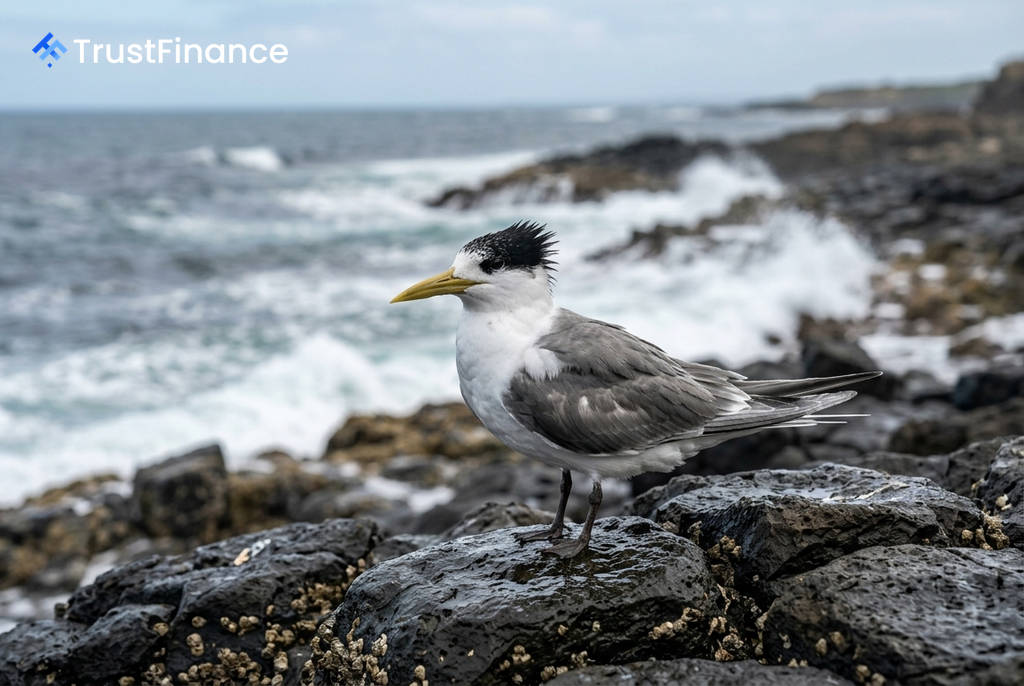
Australia has confirmed its first case of the highly pathogenic H5N1 avian influenza in a native seabird, a significant development that raises fears the virus is now spreading within local wildlife populations after its recent arrival on the mainland.
Key Developments
Agriculture Minister Julie Collins announced Friday that laboratory testing by the country's national science agency confirmed the virus in a greater crested tern found in Robe, South Australia. This is the first confirmed infection in a mainland Australian seabird, as all previous cases were detected in migratory species.
The finding brings the total number of positive H5N1 detections in Australia to 12, following the confirmation of three other cases in South Australia and Western Australia on the same day. Minister Collins described the development as "concerning" but not unexpected, while noting there is currently no evidence of mass mortalities or spread to the poultry sector.
Agricultural and Market Implications
The spread of H5N1 to a local bird species elevates the risk to Australia's multi-billion dollar poultry industry and broader agricultural sector. The virulent strain of bird flu has devastated commercial flocks and wild bird populations globally since 2021, leading to significant economic losses and trade disruptions in affected countries.
 Ad
While authorities have not detected the virus in agricultural settings, the development will intensify biosecurity surveillance. Australia was the last continent to record a mainland case of H5N1 in June, giving its agricultural industries time to prepare defenses against a virus that has also infected dairy cattle and farmworkers in other parts of the world.
Expert Outlook
Infectious disease experts view the transmission to a local bird as a critical turning point. Hamish McCallum, an ecologist at Griffith University, told Reuters the news was "very bad" and that "it’s likely that this will be the beginning of many more cases."
Scientists are now working to determine the pathway of infection for the Australian seabird, which has an overlapping coastal range with migratory birds that previously tested positive. Meanwhile, authorities confirmed that a deceased juvenile fur seal tested for the virus in New South Wales returned a negative result, temporarily allaying fears of mammal-to-mammal transmission in the country.