
Story
Analysts Weigh Synergies and Risks of Potential Tesla-SpaceX Merger
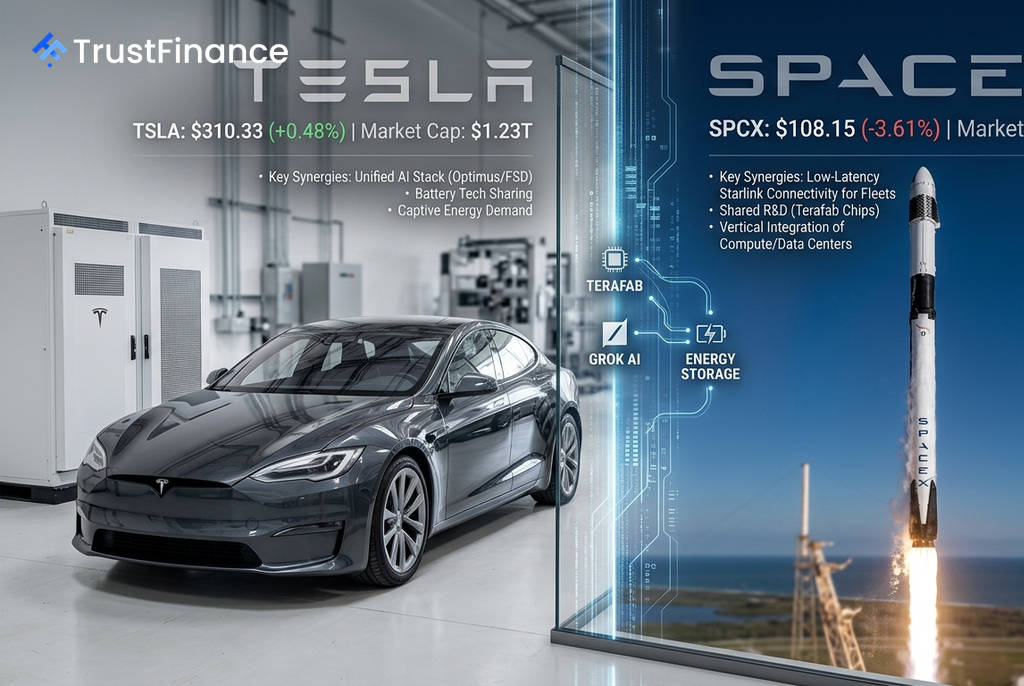
A potential merger between Tesla Inc. (TSLA) and Space Exploration Technologies (SpaceX) is gaining increased attention from market analysts, particularly after Elon Musk declined to dismiss the possibility during a July 22 earnings call. Analyst Gene Munster of Deepwater Asset Management now places the probability of a combination at 90% within a few years, according to a report from Investing.com.
Such a deal would create a corporate titan with a combined market capitalization of approximately $2.65 trillion at current valuations, making it the largest company in the world. Both companies are currently facing market pressure, with Tesla's stock down 32% year-to-date and SpaceX trading below its initial public offering price, per the report.
Deepening Operational Synergies
Analysts point to substantial and pre-existing operational overlap between the two companies as a core rationale for a formal merger. This integration is not hypothetical but is already underway in several key areas:
- Technology & Manufacturing: Tesla currently supplies battery technology to SpaceX, and the companies are applying Tesla's efficient Gigafactory manufacturing principles to Starship rocket production.
- Artificial Intelligence: The companies are jointly developing Terafab, an AI semiconductor fabrication facility, to achieve vertical integration in chip production. Furthermore, Tesla's Optimus robot reportedly utilizes SpaceX's Grok AI model.
- Infrastructure: Tesla Megapacks are used to power a SpaceX computing hub, while the space exploration company is building data centers that could support Tesla's extensive AI compute needs for its Full Self-Driving (FSD) and robotics initiatives.
This deep integration suggests a formal merger would primarily serve to consolidate the companies' balance sheets, cementing a vertically integrated AI stack that could rival established players like Nvidia, AWS, and Google.
 Ad
Significant Hurdles Remain
Despite the compelling synergies, a merger faces considerable obstacles. A primary concern is regulatory risk, particularly involving China. Tesla's significant manufacturing and sales presence in China could create a national security conflict with SpaceX's extensive contracts with the U.S. government and Space Force, according to the analysis.
Corporate governance presents another major challenge. Musk holds a larger voting stake in SpaceX than in Tesla, meaning any merger would necessitate a complex renegotiation of control. Securing approval from Tesla's minority shareholders would require compelling and favorable terms.
Market Context
Both companies are navigating challenging periods that could influence the timing of any potential deal. Tesla is in a heavy capital expenditure cycle, burning approximately $3.25 billion in free cash flow per quarter to fund its expansion into robotaxis, robotics, and semiconductors. Meanwhile, SpaceX has seen its market value decline from its peak and faces an upcoming lock-up expiration on August 6, when a large number of insider shares will become eligible for sale, the report noted.
Read next
More on Stocks
FTC Orders Walmart, Uber, Delta to Disclose Data on Personalized Pricing
The U.S. Federal Trade Commission is demanding nine major companies, including leading retail, travel, and gig economy firms, to provide information on how they use consumer data for setting individual prices and wages.

Google Launches Gemini 4 Carbon AI Model to Bolster Cybersecurity Capabilities
Alphabet's Google has unveiled Gemini 4 Carbon, its latest AI model specifically designed for advanced cybersecurity tasks like vulnerability detection and secure code generation. The launch escalates competition with rivals OpenAI and Anthropic in the enterprise AI market.

Oracle Shares Surge After Unveiling $225 Billion Revenue Target for 2030
Oracle stock rose sharply after the company presented a long-term financial outlook targeting at least $225 billion in annual revenue by fiscal 2030, driven by its expanding AI infrastructure business.

DOJ Scrutinizes Nvidia's $12.9B Hugging Face Deal Amid Broader Antitrust Probe, Sources Say
The U.S. Department of Justice is reportedly examining Nvidia's planned $12.93 billion acquisition of AI platform Hugging Face as part of a wider, ongoing antitrust investigation into the chipmaker's market conduct.