
Story
Zelenskiy Says Ukraine Awaits US Approval for Key Air Defense Missiles Amid Russian Attacks
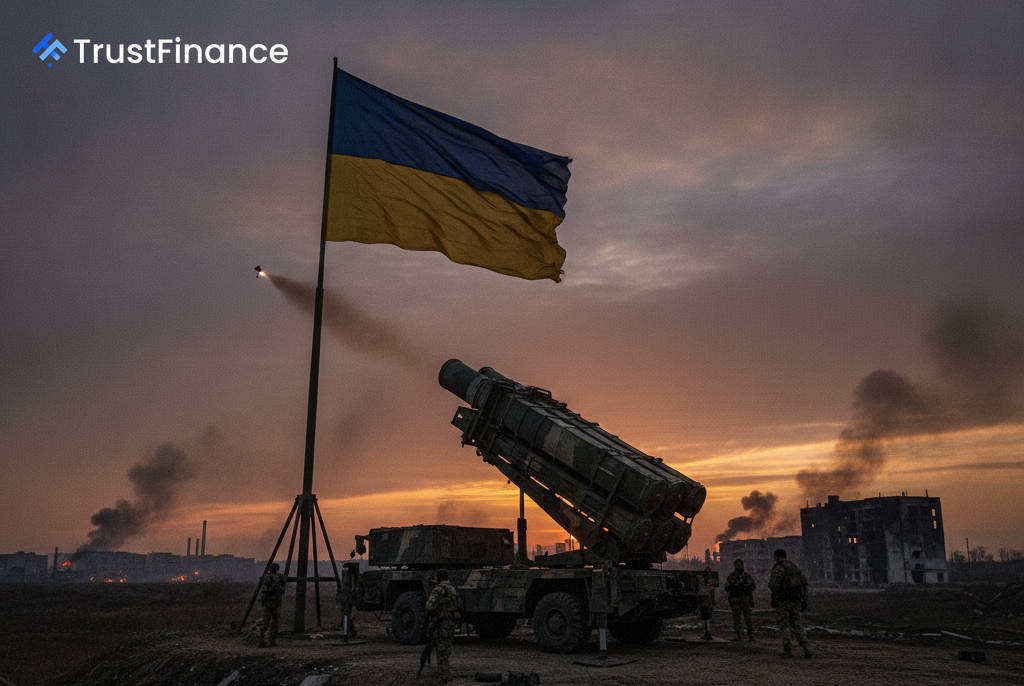
Ukrainian President Volodymyr Zelenskiy said on Monday that Kyiv has been waiting for nearly a month for the US defense secretary to approve the delivery of critical air defense missiles. The statement, made on the social media platform X, comes as Russia intensifies its attacks on Ukraine's energy and civilian infrastructure ahead of the winter months.
Details of the Delay
According to Zelenskiy, the pending delivery includes crucial interceptor missiles for US-made Patriot and NASAMS air defense systems. "I instructed our team to raise this with the American side once again," the Ukrainian leader said, referencing a wait for a sign-off from "Mr Hegseth," the reported defense secretary.
Zelenskiy has repeatedly urged the US and its allies to accelerate military aid. The source material notes that the missiles are supplied by the US to NATO allies through a program referred to as PURL. Last week, US Secretary of State Marco Rubio reportedly acknowledged a potential delay with a batch of interceptors but stated it was not for political reasons.
Broader US-Ukraine Tensions
The delay in missile deliveries adds to a series of reported frictions between Kyiv and Washington. These recent tensions reportedly include:
 Ad
- A diesel deal between the US and Russia announced by President Donald Trump.
- Criticism from President Trump regarding Ukraine's attacks on Russian oil refineries.
- Gaps in the intelligence Ukraine has received from the US on Russian missile attacks.
- The throttling of Starlink's military-grade Starshield service, which disrupted Ukrainian military operations.
Conflicting accounts have emerged regarding the Starshield disruption. Reuters previously reported that the order to throttle the service originated from within the White House. However, both SpaceX CEO Elon Musk and US officials have publicly stated that decisions on such limitations could only have been made by the other party.
Geopolitical and Market Implications
For investors, delays in military support can signal logistical bottlenecks or shifts in political commitment, increasing geopolitical risk. Prolonged vulnerability of Ukraine's energy infrastructure could impact European energy markets as winter approaches. The reported disruptions in communications and intelligence also highlight operational risks that could extend the conflict, creating further economic uncertainty and market volatility.
Read next
More on Commodities
U.S. Crude Inventories Post Surprise Draw While Gasoline Stocks Swell, EIA Reports
U.S. crude oil stockpiles fell unexpectedly last week, driven by a surge in exports, while gasoline inventories saw a significant build amid weakening demand, according to the latest EIA data.

UBS Raises Year-End Brent Forecast to $110 on Middle East Supply Risks
UBS has increased its year-end forecast for Brent crude to $110 per barrel, citing escalating supply risks in the Middle East, declining global inventories, and record-high freight costs.

Iran Dismisses Latest Qatari Peace Proposal as 'Unacceptable'
A senior Iranian official has rejected the latest Qatari-mediated draft deal to end the eight-month war, calling the ideas 'unacceptable' and signaling a continued diplomatic impasse. The news comes amid rising oil prices following attacks on Saudi energy infrastructure.

Argentina Poised to Gain EU Soymeal Market Share as Deforestation Rules Hit Brazil
Argentina's soybean industry is preparing to capture a larger share of the European Union's soymeal market as new EU anti-deforestation rules are expected to disrupt exports from rival Brazil.