
Story
Saudi Arabia, Turkey, Pakistan Hold De-escalation Talks in Iran Amid New Houthi Attacks
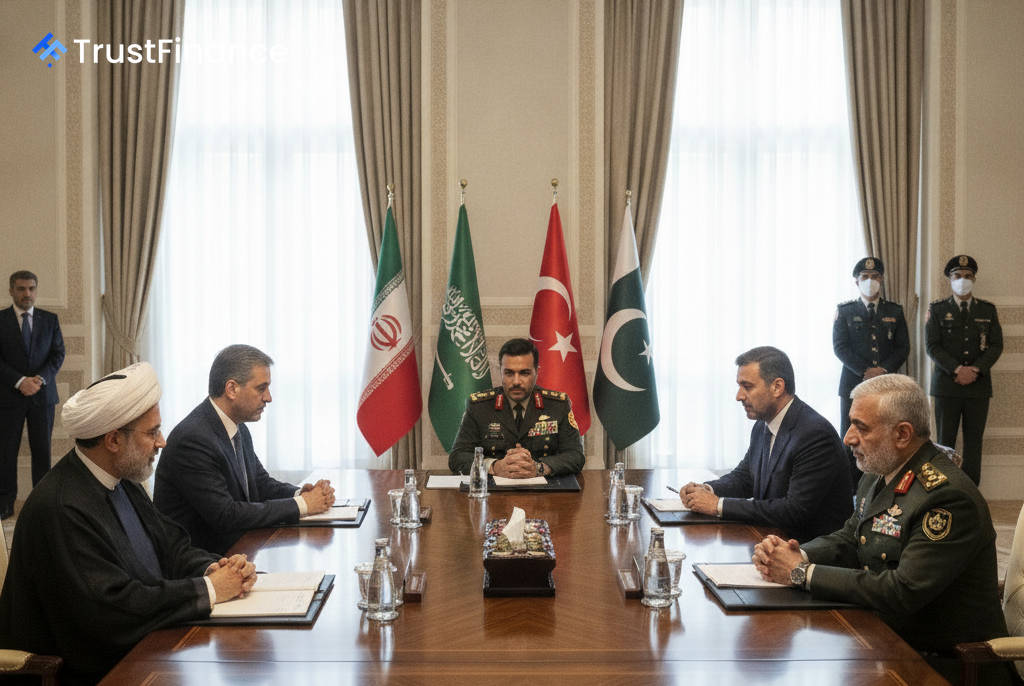
Top defense and security officials from Saudi Arabia, Turkey, and Pakistan met with their counterparts in Iran on Monday in a significant diplomatic effort to de-escalate a widening regional conflict. The talks occurred as Yemen's Iran-aligned Houthi group announced it had launched new attacks on Saudi oil facilities and the airport in Riyadh.
High-Stakes Diplomacy in Tehran
The meeting represents the first high-level contact between Iran and the three nations since they signed the Mecca mutual defense pact in August. The Saudi delegation was led by Defence Minister Prince Khalid bin Salman, while Pakistan was represented by army chief Field Marshal Asim Munir and Turkey by intelligence chief Ibrahim Kalin, according to Saudi and Iranian officials cited by Reuters.
According to a statement from the Saudi Foreign Ministry, the visit aims to "de-escalate" the conflict and "promote dialogue and diplomatic solutions." The officials were scheduled for consultations with Iran’s Supreme National Security Council, its deputy secretary, Ali Baqeri-Kani, told state television.
Widening Conflict and Market Impact
The broader conflict, which has involved US and Israeli strikes on Iran, has expanded to new fronts in Saudi Arabia and Yemen, severely impacting global energy markets. The fighting has restricted shipping through the critical Strait of Hormuz, a key energy chokepoint, contributing to elevated global oil and gas prices.
 Ad
Underscoring the ongoing volatility, the Houthis claimed on Monday to have attacked East-West crude oil pumping stations in Saudi Arabia as well as Riyadh's airport. There was no immediate confirmation of the attacks from Saudi authorities. These attacks follow a recent Houthi advance along Yemen's Red Sea coast, which prompted intensified Saudi strikes against the group.
Geopolitical Tensions and Mediation Efforts
The talks in Tehran are part of a broader push for a regional security framework, with Qatar and Pakistan leading mediation efforts. An Iranian Foreign Ministry spokesperson said the agenda included "Israel’s expansionist policies" and the "repercussions of US and Israeli military action against Iran."
Tensions between Washington and Tehran remain acute. Iranian officials have reportedly stated they will not engage in talks with the U.S. until demands are met, including the lifting of sanctions on Iranian oil exports and an end to a U.S. blockade. The Mecca Joint Defence Agreement, which Turkey and Pakistan are in the process of ratifying, commits signatories to use "all necessary means" to protect one another's territorial integrity.
Read next
More on Commodities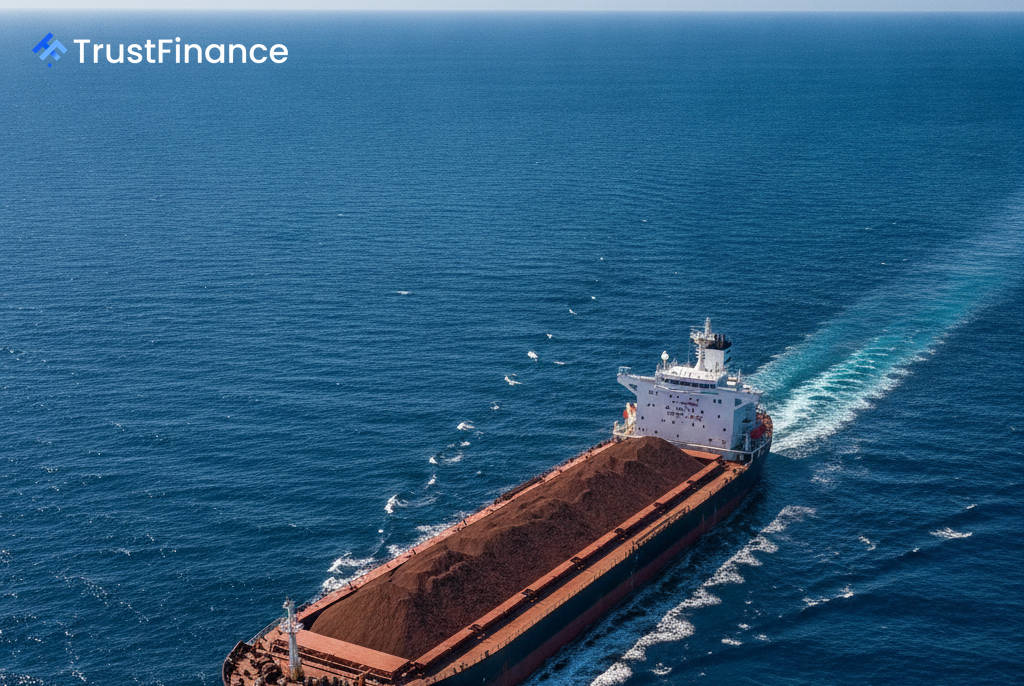
Baltic Dry Index Falls to Near One-Week Low on Weaker Vessel Rates
The main sea freight index declined on Monday, pressured by falling rates for larger capesize and panamax ships amid uncertainty over Chinese demand for raw materials.

Russian Wheat Export Prices Decline on Hopes for Black Sea Talks
Export prices for Russian wheat fell last week as global grain markets reacted to reports of potential peace negotiations, though analysts caution the optimism may be premature given ongoing shipping disruptions.
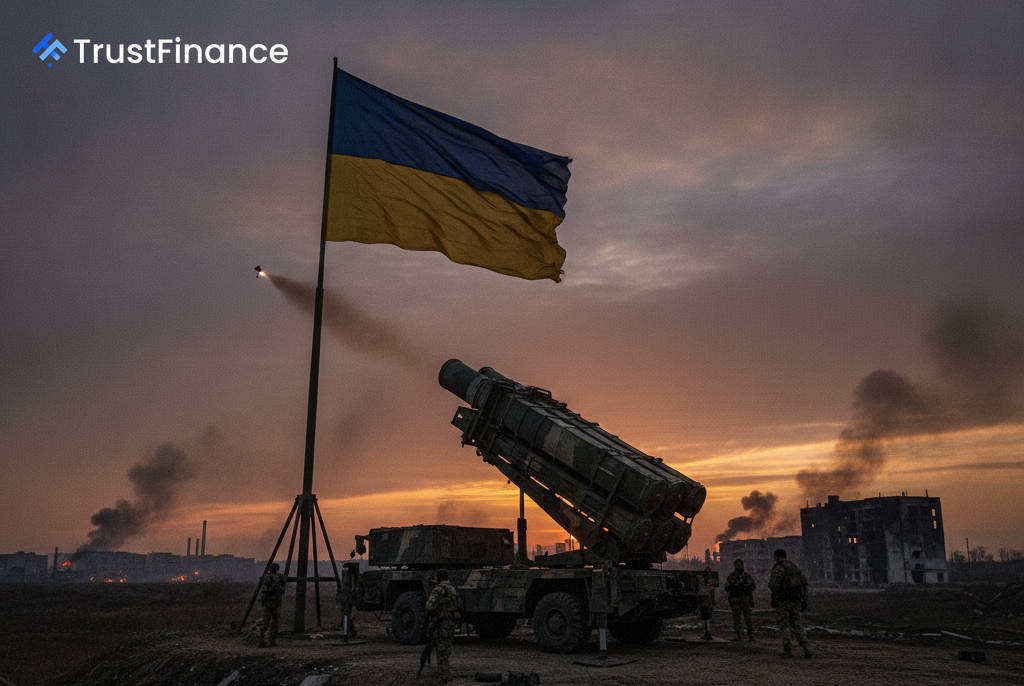
Zelenskiy Says Ukraine Awaits US Approval for Key Air Defense Missiles Amid Russian Attacks
Ukrainian President Volodymyr Zelenskiy stated that critical supplies of missiles for Patriot and NASAMS air defense systems have been awaiting US sign-off for nearly a month, highlighting growing tensions over the pace of military aid.

Russian Refiners Ramping Up Diesel Output to Fulfill US Supply Deal
Russian diesel production is rebounding in October after Moscow issued export quotas to facilitate a new supply agreement with the United States, a move that reverses recent output cuts.