
Story
WPP to Cut Up to 1,000 More Jobs in AI-Driven Restructuring, FT Reports
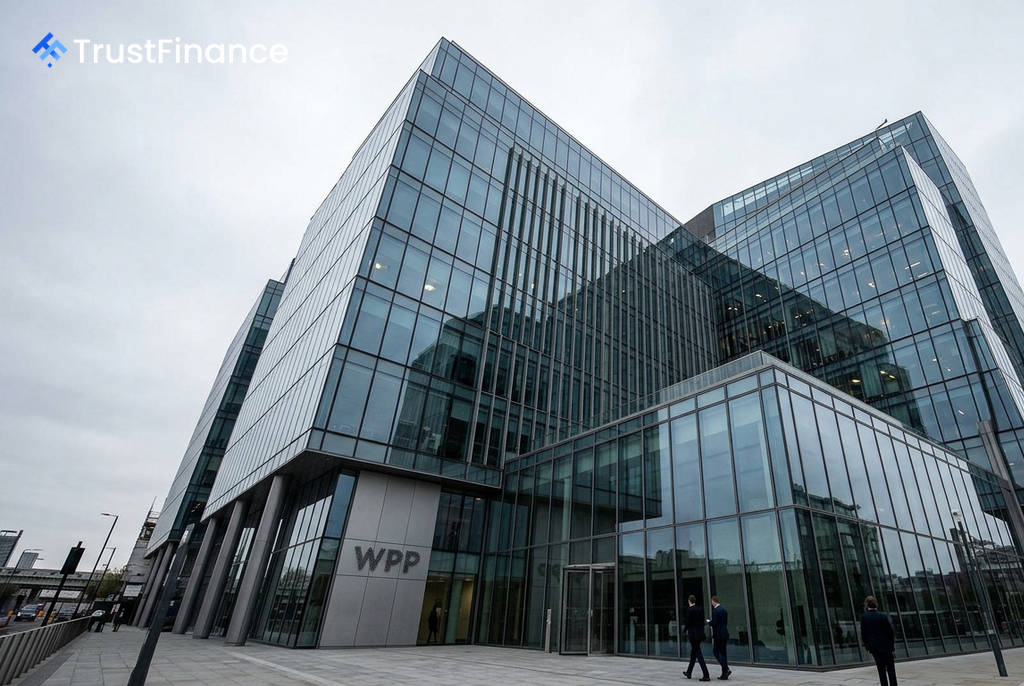
WPP, the world's largest advertising group, plans to cut as many as 1,000 additional jobs by the end of the year as it accelerates an AI-driven restructuring program, the Financial Times reported on Tuesday. The move is part of a broader effort to streamline operations and reduce costs amid a challenging industry environment.
Details of the Restructuring
The latest round of job cuts adds to a significant workforce reduction already underway at the British firm. Key details from the FT report, which cited people familiar with the plans, include:
- The new cuts follow approximately 11,000 positions that WPP has eliminated since the start of 2025.
- The company’s total workforce stood at 97,388 employees as of June 30, 2026.
Beyond the headcount reduction, the strategy led by chief executive Cindy Rose also involves selling non-core businesses and downsizing the company's real estate footprint. As part of its property consolidation, WPP is reportedly expected to reduce its three separate London offices on the south side of the River Thames to just two locations.
 Ad
Industry Headwinds and AI's Role
The restructuring comes as the advertising industry grapples with significant headwinds, including reduced spending from clients and the disruptive impact of artificial intelligence. WPP's actions reflect a widespread trend across the sector, where many firms are implementing layoffs and cost-saving initiatives to adapt to the changing market landscape.
The integration of AI tools is enabling greater efficiency in creative and administrative tasks, prompting agencies like WPP to re-evaluate their staffing needs and operational structure. For investors, these cost-cutting measures signal an attempt to protect margins and improve profitability in a period of technological transition and softer client demand.
Read next
More on Stocks
FTC Orders Walmart, Uber, Delta to Disclose Data on Personalized Pricing
The U.S. Federal Trade Commission is demanding nine major companies, including leading retail, travel, and gig economy firms, to provide information on how they use consumer data for setting individual prices and wages.

Google Launches Gemini 4 Carbon AI Model to Bolster Cybersecurity Capabilities
Alphabet's Google has unveiled Gemini 4 Carbon, its latest AI model specifically designed for advanced cybersecurity tasks like vulnerability detection and secure code generation. The launch escalates competition with rivals OpenAI and Anthropic in the enterprise AI market.

Oracle Shares Surge After Unveiling $225 Billion Revenue Target for 2030
Oracle stock rose sharply after the company presented a long-term financial outlook targeting at least $225 billion in annual revenue by fiscal 2030, driven by its expanding AI infrastructure business.

DOJ Scrutinizes Nvidia's $12.9B Hugging Face Deal Amid Broader Antitrust Probe, Sources Say
The U.S. Department of Justice is reportedly examining Nvidia's planned $12.93 billion acquisition of AI platform Hugging Face as part of a wider, ongoing antitrust investigation into the chipmaker's market conduct.