
Story
Woodside Energy Abandons $5B Clean Energy Goal, Reports 7% Profit Increase
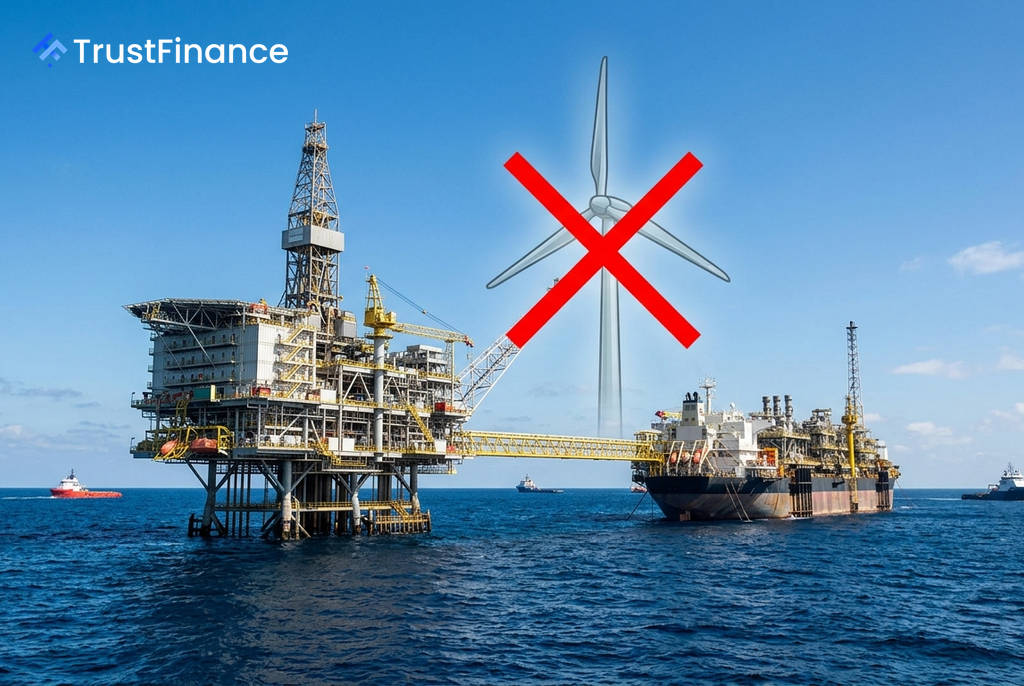
Woodside Energy announced a significant strategic pivot back to its core oil and gas operations, abandoning a $5 billion clean energy investment target and a key long-term emissions goal. The move came as the Australian company reported a 7% increase in first-half underlying profit, driven by higher realized prices for its products.
Financial Performance and Outlook
Woodside posted an underlying net profit after tax of $1.33 billion for the six months ending June 30, narrowly beating the Visible Alpha consensus estimate of $1.32 billion, according to a company announcement on Tuesday. The strong results were supported by an average realized price of $74 per barrel of oil equivalent (boe), a notable increase from $61.70 in the prior year.
The company declared an interim dividend of 57 cents per share, up from 53 cents a year earlier. Woodside maintained its full-year 2026 production forecast of 174 million to 185 million boe and reaffirmed its capital expenditure guidance of $4 billion to $4.5 billion.
Strategic Shift from Renewables
In a major reversal of its previous strategy, Woodside is canceling its plan to invest $5 billion in clean energy projects by 2030 and is dropping its Scope 3 emissions reduction target, which covers emissions from the use of its products. CEO Liz Westcott stated that the previous targets were "established in a different market context."
 Ad
Westcott explained that the company had been unable to make its clean energy investments economically viable, citing a lack of customers for its H2OK green hydrogen project in Oklahoma, which was scrapped in 2025. "We’re looking at the market and we do not see a line of sight to investing that $5 billion by 2030,” she told Reuters. As part of the new focus, Woodside will also conduct a strategic review of its Beaumont New Ammonia asset in Texas.
Market Context and Reaction
Woodside's decision reflects a broader trend among major energy producers, including BP and Shell, which have also scaled back spending on renewables to prioritize their more profitable fossil fuel businesses. The company noted that geopolitical events, such as the conflict in the Middle East, have heightened the focus on energy security and created a windfall for LNG producers.
This marks a sharp turn from two years ago, when 57.8% of Woodside shareholders voted against the company's climate plan, arguing it was not ambitious enough. Following the earnings and strategy announcement, shares of Woodside Energy were down 1% to A$33.45 in morning trade, underperforming the broader S&P/ASX 200 index, which was up 3.57%.
Read next
More on Stocks
FTC Orders Walmart, Uber, Delta to Disclose Data on Personalized Pricing
The U.S. Federal Trade Commission is demanding nine major companies, including leading retail, travel, and gig economy firms, to provide information on how they use consumer data for setting individual prices and wages.

Google Launches Gemini 4 Carbon AI Model to Bolster Cybersecurity Capabilities
Alphabet's Google has unveiled Gemini 4 Carbon, its latest AI model specifically designed for advanced cybersecurity tasks like vulnerability detection and secure code generation. The launch escalates competition with rivals OpenAI and Anthropic in the enterprise AI market.

Oracle Shares Surge After Unveiling $225 Billion Revenue Target for 2030
Oracle stock rose sharply after the company presented a long-term financial outlook targeting at least $225 billion in annual revenue by fiscal 2030, driven by its expanding AI infrastructure business.

DOJ Scrutinizes Nvidia's $12.9B Hugging Face Deal Amid Broader Antitrust Probe, Sources Say
The U.S. Department of Justice is reportedly examining Nvidia's planned $12.93 billion acquisition of AI platform Hugging Face as part of a wider, ongoing antitrust investigation into the chipmaker's market conduct.