
Story
Wave of Cyberattacks Hits Major US Companies, Disrupting Operations
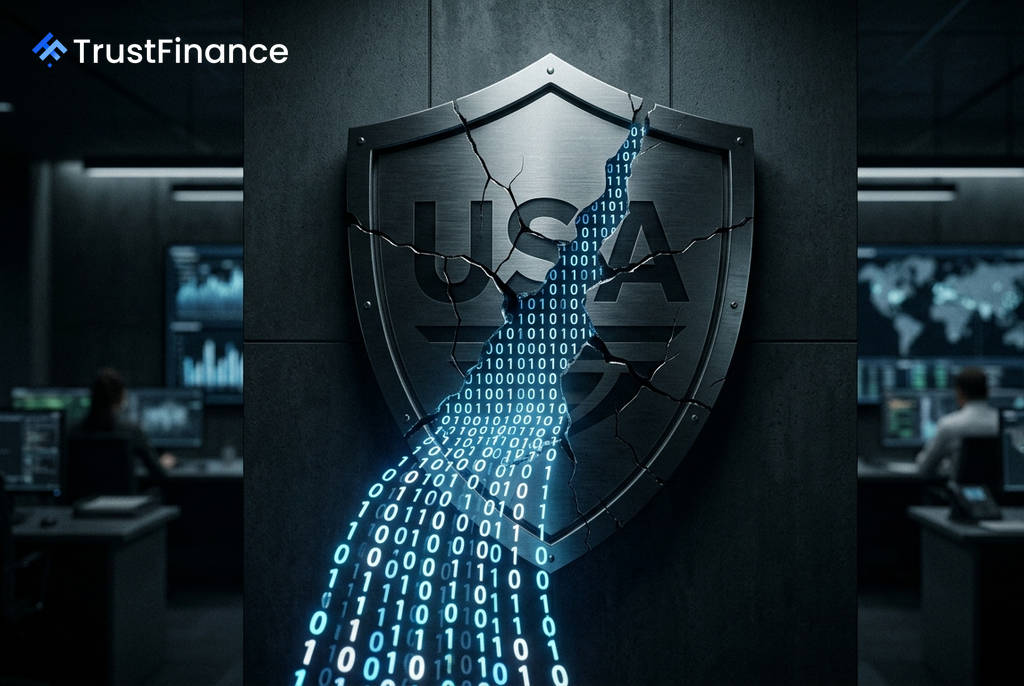
A wave of cybersecurity incidents has impacted a diverse range of U.S. companies this year, leading to operational disruptions, significant data breaches, and financial demands. The attacks, detailed in a series of corporate disclosures, underscore the escalating threat that cybercrime poses to corporate America across nearly every sector.
A Broad-Based Threat
The incidents are not confined to a single industry, affecting consumer giants, technology firms, healthcare providers, and industrial conglomerates alike. The breadth of targets highlights a vulnerable and interconnected corporate landscape.
Notable companies reporting cyber events in recent months include:
- Consumer & Retail: Nike, Hasbro, Levi Strauss, and Coca-Cola, which saw its fairlife unit temporarily suspend U.S. production.
- Healthcare & MedTech: Stryker, Boston Scientific, Abbott Laboratories, and iRhythm Holdings, with some incidents exposing sensitive patient health information.
- Technology & Gaming: OpenAI, Take-Two Interactive, Uber, and cybersecurity firm Fortinet itself.
- Travel & Hospitality: Wynn Resorts and cruise operator Carnival.
Operational and Data Risks Mount
 Ad
The consequences of these attacks extend beyond data theft, frequently causing tangible disruptions to core business operations. Medical device maker Boston Scientific reported that an incident disrupted systems used to process and ship customer orders. Similarly, a cyberattack on Stryker impacted its order processing, manufacturing, and global shipments, according to the company.
Data breaches remain a primary objective for attackers. In February, hackers reportedly obtained employee data from Wynn Resorts and demanded a ransom equivalent to $1.5 million in bitcoin. Carnival disclosed that a social-engineering attack compromised an employee account, exposing personal information of individuals, including government-issued identification numbers.
Evolving Tactics and Government Scrutiny
The methods used by attackers are increasingly sophisticated, ranging from social engineering to exploiting vulnerabilities in third-party software. A hacking group claimed it stole data from nearly 50 companies, including GE and Fiserv, by leveraging a single software flaw, Reuters reported.
The rising threat has drawn attention at the federal level. The White House announced in July it was launching a coordination group for AI developers and critical infrastructure operators to share information on cyber vulnerabilities. However, according to Reuters, further details on the initiative have not yet been released, even as companies grapple with the ongoing surge in digital threats.
Read next
More on Stocks
FTC Orders Walmart, Uber, Delta to Disclose Data on Personalized Pricing
The U.S. Federal Trade Commission is demanding nine major companies, including leading retail, travel, and gig economy firms, to provide information on how they use consumer data for setting individual prices and wages.

Google Launches Gemini 4 Carbon AI Model to Bolster Cybersecurity Capabilities
Alphabet's Google has unveiled Gemini 4 Carbon, its latest AI model specifically designed for advanced cybersecurity tasks like vulnerability detection and secure code generation. The launch escalates competition with rivals OpenAI and Anthropic in the enterprise AI market.

Oracle Shares Surge After Unveiling $225 Billion Revenue Target for 2030
Oracle stock rose sharply after the company presented a long-term financial outlook targeting at least $225 billion in annual revenue by fiscal 2030, driven by its expanding AI infrastructure business.

DOJ Scrutinizes Nvidia's $12.9B Hugging Face Deal Amid Broader Antitrust Probe, Sources Say
The U.S. Department of Justice is reportedly examining Nvidia's planned $12.93 billion acquisition of AI platform Hugging Face as part of a wider, ongoing antitrust investigation into the chipmaker's market conduct.