
Story
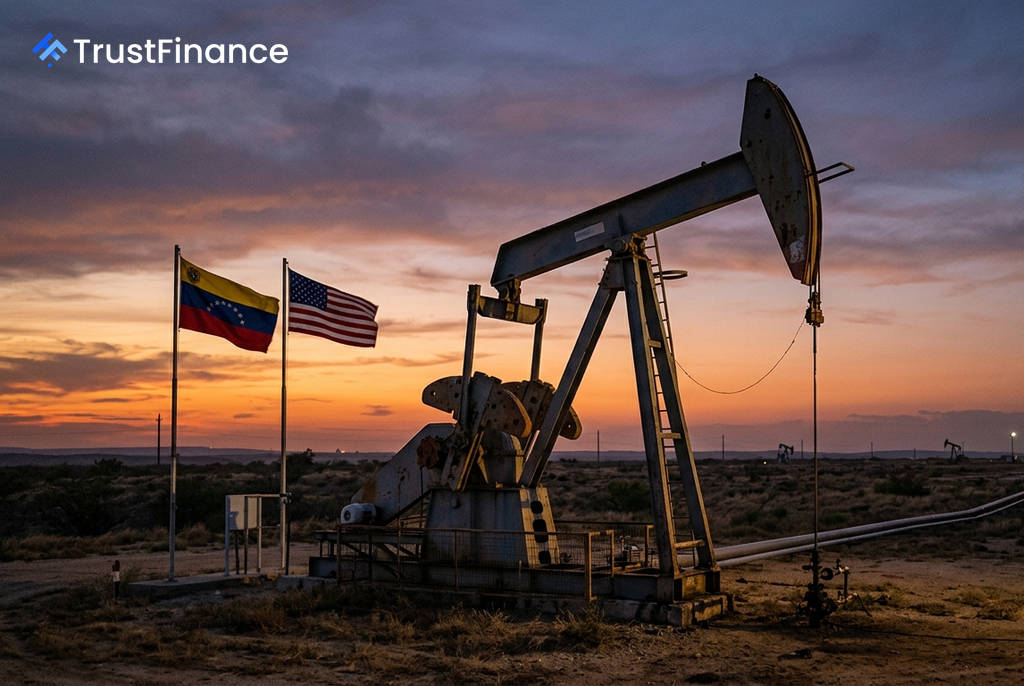
Venezuela Details 25-Year US Energy Deal Targeting 1.5 Million BPD Output
Summary
Venezuelan interim President Delcy Rodriguez outlined a 25-year energy accord with the U.S. designed to increase crude production to 1.5 million bpd and potentially generate over $200 billion in state revenue.
Venezuela’s interim government has provided details on a major energy agreement with the United States, stating the deal will last for 25 years and aims to boost the nation's crude oil output to over 1.5 million barrels per day (bpd). The announcement by interim President Delcy Rodriguez on Saturday follows a U.S. plan to help revive the South American country's struggling oil industry.
Terms of the Agreement
In a televised address, Rodriguez described the accord as a "historic" bilateral project that could generate approximately $209 billion in revenue for the Venezuelan state, based on a benchmark oil price of $65 per barrel. She stated that the initial production target of 1.5 million bpd would come from the development of 17 strategic oilfields.
Rodriguez added that the arrangement would provide a direct flow of about $19 from each barrel to Venezuela, significantly increasing government revenue. The broader plan also includes the development of eight new greenfield oil blocks. Despite the U.S. involvement, she asserted that Venezuela would retain “ownership of and sovereignty” over its natural resources.
U.S. Involvement and Market Context
The details follow President Donald Trump's announcement on Friday that the U.S. would take partial control of Venezuela's oil reserves, aiming to lower domestic fuel prices. While Trump did not provide extensive details, he said the U.S. had secured majority control of over 65 billion barrels of Venezuela's proven reserves through a private business partnership.
 Ad
AdVenezuela holds the world's largest proven oil reserves but has seen its production collapse to around 1.25 million bpd after years of underinvestment, mismanagement, and international sanctions. U.S. energy major Chevron is among the companies expected to finalize new agreements under the framework, according to sources close to the negotiations.
Economic and Political Implications
Rodriguez hailed the deal as a catalyst for reviving Venezuela's battered economy. However, the announcement has been met with some domestic opposition, as pro-government groups gathered in Caracas on Saturday to protest the increased U.S. presence in the country's strategic energy sector.
For global energy markets, a successful revival of Venezuelan production could introduce a significant new source of crude supply. The deal leverages American capital and technology to restore a key industry that has been severely hampered, potentially altering global oil trade dynamics if production targets are met.
Read next
More on Commodities
Iran Warns of Retaliation Against Any New US Attack Amid Heightened Regional Tensions
Iran's military warned it would retaliate against any new attack by the U.S. and its allies, escalating tensions after Iran-backed Houthi rebels claimed strikes on Saudi Arabian oil infrastructure.

Wheat Futures Decline on Technical Selling as Crude Oil Weakens
Chicago wheat futures edged lower on Wednesday, pressured by technical selling linked to a downturn in crude oil prices, though losses were limited by ongoing global supply concerns.

Raw Sugar Futures Slip as Declining Oil Prices Weigh on Ethanol Demand
Raw sugar futures edged lower as a drop in crude oil prices made ethanol production less profitable, incentivizing mills to produce more sugar. However, prices found support from forecasts of lower crop yields in key producing regions.

Continental Resources Signs MOU with Venezuela's PDVSA to Develop Orinoco Oil Field
U.S.-based Continental Resources has entered a preliminary agreement with Venezuela's state-owned oil company, PDVSA, to jointly develop a block in the Orinoco Heavy Oil Belt estimated to hold 30 billion barrels of oil.