
Story
US Treasury Secretary Bessent Calls Yen Moves 'Contained,' Easing Intervention Fears
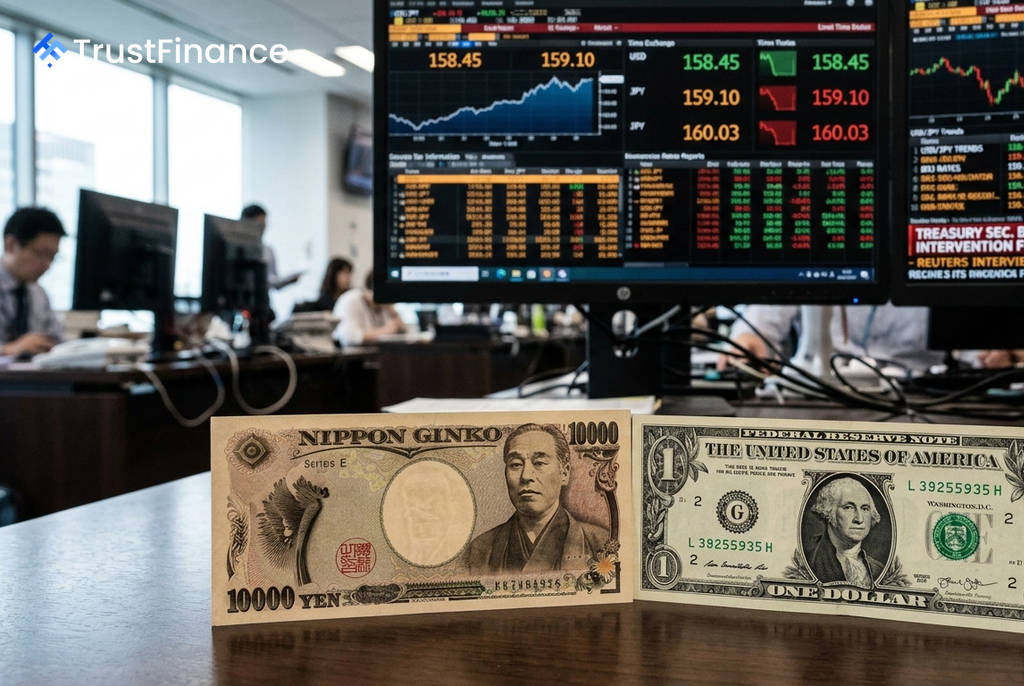
U.S. Treasury Secretary Scott Bessent described recent movements in the Japanese yen as "pretty well contained," tamping down market speculation that another joint intervention by Washington and Tokyo is imminent. The comments, made in a Reuters interview on Sunday, suggest the U.S. does not view the currency's latest slide as the kind of disorderly trading that prompted a rare coordinated intervention last month.
No Pressure on Bank of Japan
Bessent refrained from advising the Bank of Japan on its monetary policy, even as the yen's weakness intensifies. When asked if the BOJ should consider more aggressive interest rate increases, he stated, "I’m not going to tell them what to do." He added that he expects BOJ Governor Kazuo Ueda to "do the right thing" with the support of Prime Minister Sanae Takaichi.
His remarks indicate that Washington is not currently pressuring Tokyo for specific policy actions to support the yen. Bessent also noted a broader policy shift, stating, "I do think that we probably reached the end of Abenomics, which was a reflationary program."
 Ad
Market Context and Intervention Threshold
The yen weakened past the 160-per-dollar level on Friday, a key psychological threshold that many investors and analysts watch as a potential trigger for intervention by Japanese authorities. The currency's decline is largely driven by the wide interest rate differential between the hawkish U.S. Federal Reserve and the more dovish Bank of Japan.
Bessent’s characterization of the yen's fall as contained is significant for markets. It lowers the perceived probability of a coordinated U.S.-Japan response, placing the primary responsibility for managing the currency's value on Japanese officials, who may still opt for unilateral intervention if they deem the moves to be excessive.
Read next
More on Stocks
FTC Orders Walmart, Uber, Delta to Disclose Data on Personalized Pricing
The U.S. Federal Trade Commission is demanding nine major companies, including leading retail, travel, and gig economy firms, to provide information on how they use consumer data for setting individual prices and wages.

Google Launches Gemini 4 Carbon AI Model to Bolster Cybersecurity Capabilities
Alphabet's Google has unveiled Gemini 4 Carbon, its latest AI model specifically designed for advanced cybersecurity tasks like vulnerability detection and secure code generation. The launch escalates competition with rivals OpenAI and Anthropic in the enterprise AI market.

Oracle Shares Surge After Unveiling $225 Billion Revenue Target for 2030
Oracle stock rose sharply after the company presented a long-term financial outlook targeting at least $225 billion in annual revenue by fiscal 2030, driven by its expanding AI infrastructure business.

DOJ Scrutinizes Nvidia's $12.9B Hugging Face Deal Amid Broader Antitrust Probe, Sources Say
The U.S. Department of Justice is reportedly examining Nvidia's planned $12.93 billion acquisition of AI platform Hugging Face as part of a wider, ongoing antitrust investigation into the chipmaker's market conduct.