
Story
US Treasury Eliminates Beneficial Ownership Reporting Rule for American Companies
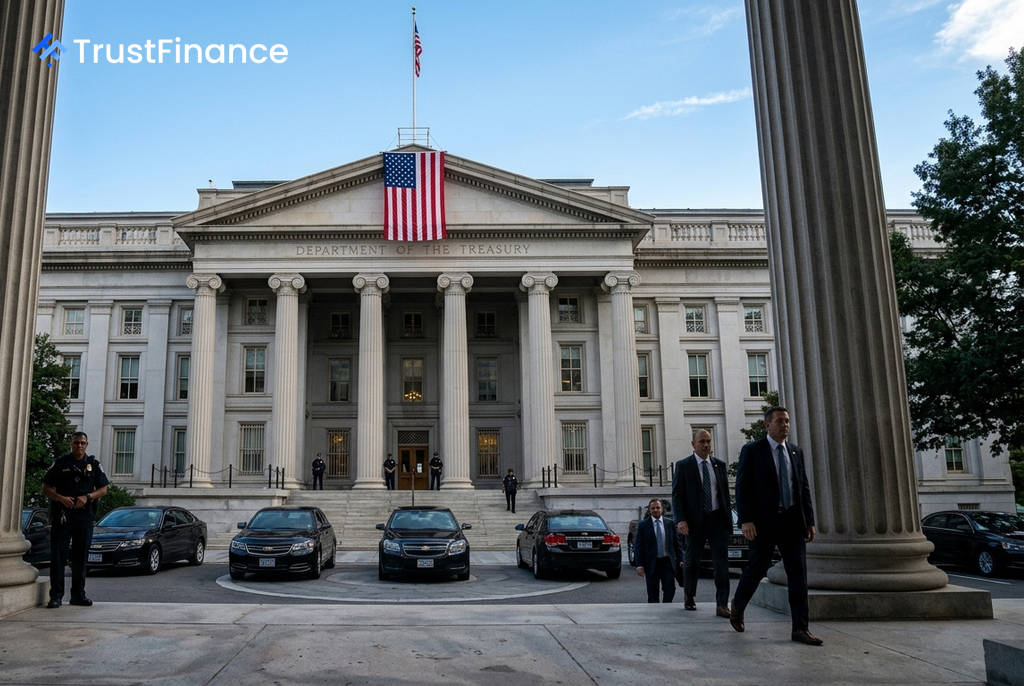
The Trump administration has finalized a rule eliminating the requirement for U.S. companies and individuals to report their beneficial ownership information to the Treasury Department's Financial Crimes Enforcement Network (FinCEN). The move, announced Tuesday, reverses a key anti-money laundering and transparency law enacted in 2021.
Details of the Policy Reversal
Under the finalized rule, FinCEN will no longer collect ownership data from most domestic entities. A beneficial owner is defined as an individual who either holds at least a 25% ownership interest in a company or exercises substantial control over it.
- The Treasury Department stated that FinCEN will delete all previously reported beneficial ownership information submitted by Americans from its database.
- Foreign companies operating in the U.S. will still be required to disclose their foreign beneficial owners.
- However, the new rule also specifies that foreign companies will not need to report the American individuals who assisted them in registering to do business in the United States.
Rationale and Background
The Treasury Department framed the change as a reduction of regulatory burden. Treasury Secretary Scott Bessent said the administration is "removing a burdensome reporting requirement for millions of law-abiding business owners without compromising national security."
 Ad
This decision dismantles a core component of a 2021 law established during the Biden presidency. That legislation was designed to combat the use of anonymous shell companies for illicit activities such as money laundering, terrorism financing, and corruption by creating a central database of ultimate owners for law enforcement use.
Implications for Financial Transparency
The reversal marks a significant shift in U.S. policy regarding corporate transparency, moving against a global trend of cracking down on illicit finance. Anti-corruption advocates had previously championed the reporting requirement as a critical tool for law enforcement to track illegal money flows.
The elimination of the rule may make it more difficult for authorities to identify the true individuals behind complex corporate structures. While foreign entities still face some disclosure requirements, the change is expected to be viewed as a victory for business and privacy groups that criticized the original rule as overly intrusive and costly for small businesses.
Read next
More on Stocks
FTC Orders Walmart, Uber, Delta to Disclose Data on Personalized Pricing
The U.S. Federal Trade Commission is demanding nine major companies, including leading retail, travel, and gig economy firms, to provide information on how they use consumer data for setting individual prices and wages.

Google Launches Gemini 4 Carbon AI Model to Bolster Cybersecurity Capabilities
Alphabet's Google has unveiled Gemini 4 Carbon, its latest AI model specifically designed for advanced cybersecurity tasks like vulnerability detection and secure code generation. The launch escalates competition with rivals OpenAI and Anthropic in the enterprise AI market.

Oracle Shares Surge After Unveiling $225 Billion Revenue Target for 2030
Oracle stock rose sharply after the company presented a long-term financial outlook targeting at least $225 billion in annual revenue by fiscal 2030, driven by its expanding AI infrastructure business.

DOJ Scrutinizes Nvidia's $12.9B Hugging Face Deal Amid Broader Antitrust Probe, Sources Say
The U.S. Department of Justice is reportedly examining Nvidia's planned $12.93 billion acquisition of AI platform Hugging Face as part of a wider, ongoing antitrust investigation into the chipmaker's market conduct.