
Story
US Sanctions 11 Cuban Entities, Targeting Nickel Reserves and Military
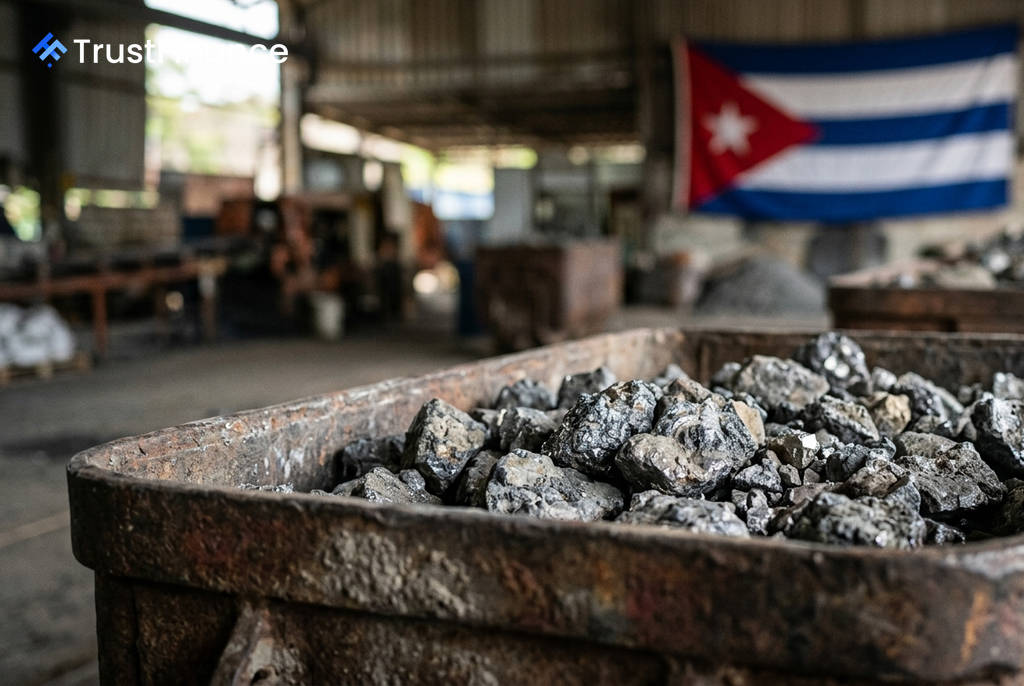
The United States imposed sanctions on Thursday against 11 Cuban entities connected to the country's nickel reserves and military-industrial complex. The measures are intended to target a system that Washington says enriches the Cuban elite while harming ordinary citizens.
Sanctioned Entities Detailed
The U.S. Department of State announced the new designations, which target key sectors of the Cuban economy and defense apparatus. According to a statement from US Secretary of State Marco Rubio, the sanctions apply to:
- Four state-run enterprises related to Cuba's nickel reserves.
- Four military enterprises involved in research and development, including for weapons systems.
- Three military officials.
Washington has asserted that these entities are part of a structure that props up the Cuban government, which the U.S. has labeled a national security threat.
 Ad
Diplomatic Tensions and Market Context
The sanctions represent a continuation of economic pressure on Havana. Cuba has long maintained that it does not pose a threat to the United States. Cuba’s top diplomat, Bruno Rodriguez, has stated in the past that U.S. sanctions are a primary cause of severe shortages on the island and are "causing deaths."
While Cuba is not a top-tier global exporter, it holds significant nickel reserves. Nickel is a critical industrial metal used in the production of stainless steel and, increasingly, in batteries for electric vehicles (EVs). Sanctions on entities controlling these reserves could introduce new uncertainties into global commodity supply chains for these key industries.
Read next
More on Commodities
U.S. Crude Inventories Post Surprise Draw While Gasoline Stocks Swell, EIA Reports
U.S. crude oil stockpiles fell unexpectedly last week, driven by a surge in exports, while gasoline inventories saw a significant build amid weakening demand, according to the latest EIA data.

UBS Raises Year-End Brent Forecast to $110 on Middle East Supply Risks
UBS has increased its year-end forecast for Brent crude to $110 per barrel, citing escalating supply risks in the Middle East, declining global inventories, and record-high freight costs.

Iran Dismisses Latest Qatari Peace Proposal as 'Unacceptable'
A senior Iranian official has rejected the latest Qatari-mediated draft deal to end the eight-month war, calling the ideas 'unacceptable' and signaling a continued diplomatic impasse. The news comes amid rising oil prices following attacks on Saudi energy infrastructure.

Argentina Poised to Gain EU Soymeal Market Share as Deforestation Rules Hit Brazil
Argentina's soybean industry is preparing to capture a larger share of the European Union's soymeal market as new EU anti-deforestation rules are expected to disrupt exports from rival Brazil.