
Story
US Reportedly Drafting Ban on Chinese Data Center Components Citing Security Risks
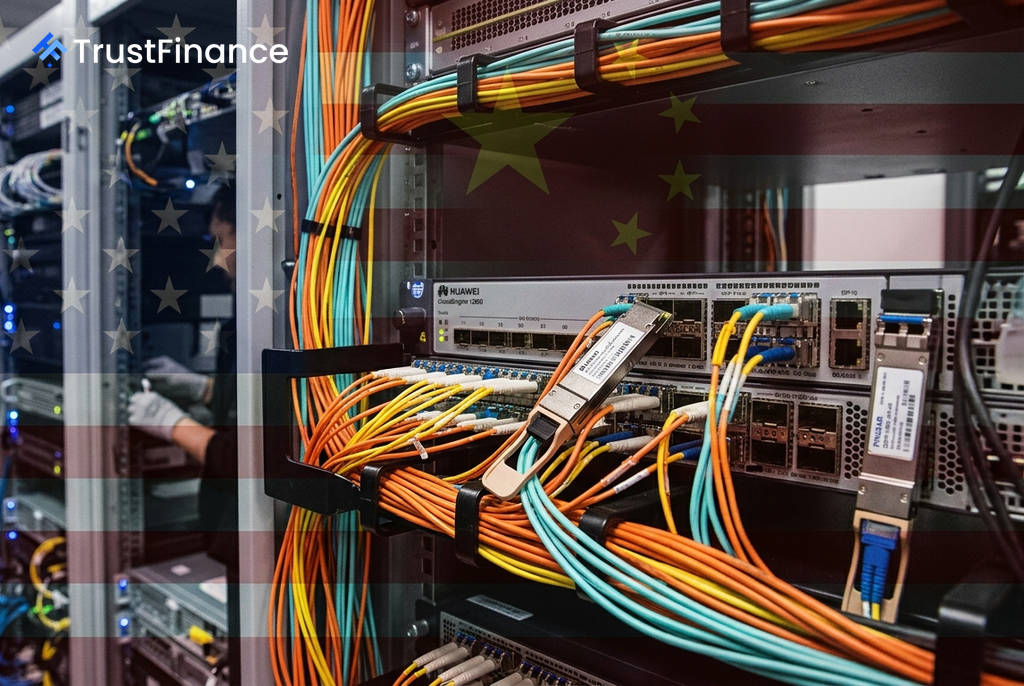
The Trump administration is drafting a measure to ban U.S. imports of new models of Chinese data center components, four people familiar with the matter told Reuters. The move, aimed at protecting the nation's critical AI infrastructure, targets potential national security vulnerabilities in the technology supply chain.
The Proposed Restrictions
The Federal Communications Commission (FCC) is reportedly developing the rule, which would specifically bar imports of new Chinese optical transceivers. These components are critical for allowing data to travel at high speeds over fiber-optic cables within data centers. Officials hope to publish the measure this year, though the sources stressed that it could still be modified or shelved.
The stated goal is to prevent Chinese firms from potentially stealing data, installing malware, or disrupting services at U.S. data centers, which house the advanced chips essential for training and operating AI models. This action is part of a broader effort to address security risks from Chinese technology before it becomes deeply embedded in U.S. infrastructure, a lesson learned from the challenges of removing Huawei equipment from telecom networks.
Market and Industry Impact
A U.S. ban would likely have a significant impact on several key companies:
 Ad
- Zhongji Innolight: A major Chinese manufacturer, which holds a leading 27% share of the global data center transceiver market, according to Counterpoint Research, would be directly affected. The company was added to a Pentagon list of alleged Chinese military-backed companies in June.
- U.S. Cloud Providers: Companies like Amazon Web Services could face higher costs as they may need to shift to more expensive suppliers.
- U.S. Component Makers: Domestic producers such as Coherent and Lumentum stand to benefit from reduced competition, though a report by the Foundation for American Innovation noted they currently lack the scale to fully replace Chinese vendors.
Broader Context and Precedent
This potential ban follows a series of similar actions by the FCC, which has used its "Covered List" to restrict U.S. sales of Chinese-made drones, routers, robots, and inverters over national security concerns. The Commerce Department had previously considered and shelved similar restrictions on data center equipment following a trade détente last year, but the FCC has since taken a more active role.
The Chinese embassy in Washington stated that Beijing urges the U.S. to "stop smearing Chinese companies" and warned that "China will take all necessary measures in response to any action that causes material harm to its interests."
Read next
More on Stocks
FTC Orders Walmart, Uber, Delta to Disclose Data on Personalized Pricing
The U.S. Federal Trade Commission is demanding nine major companies, including leading retail, travel, and gig economy firms, to provide information on how they use consumer data for setting individual prices and wages.

Google Launches Gemini 4 Carbon AI Model to Bolster Cybersecurity Capabilities
Alphabet's Google has unveiled Gemini 4 Carbon, its latest AI model specifically designed for advanced cybersecurity tasks like vulnerability detection and secure code generation. The launch escalates competition with rivals OpenAI and Anthropic in the enterprise AI market.

Oracle Shares Surge After Unveiling $225 Billion Revenue Target for 2030
Oracle stock rose sharply after the company presented a long-term financial outlook targeting at least $225 billion in annual revenue by fiscal 2030, driven by its expanding AI infrastructure business.

DOJ Scrutinizes Nvidia's $12.9B Hugging Face Deal Amid Broader Antitrust Probe, Sources Say
The U.S. Department of Justice is reportedly examining Nvidia's planned $12.93 billion acquisition of AI platform Hugging Face as part of a wider, ongoing antitrust investigation into the chipmaker's market conduct.