
Story
US House to Vote on Bill to Make Daylight Saving Time Permanent
Summary
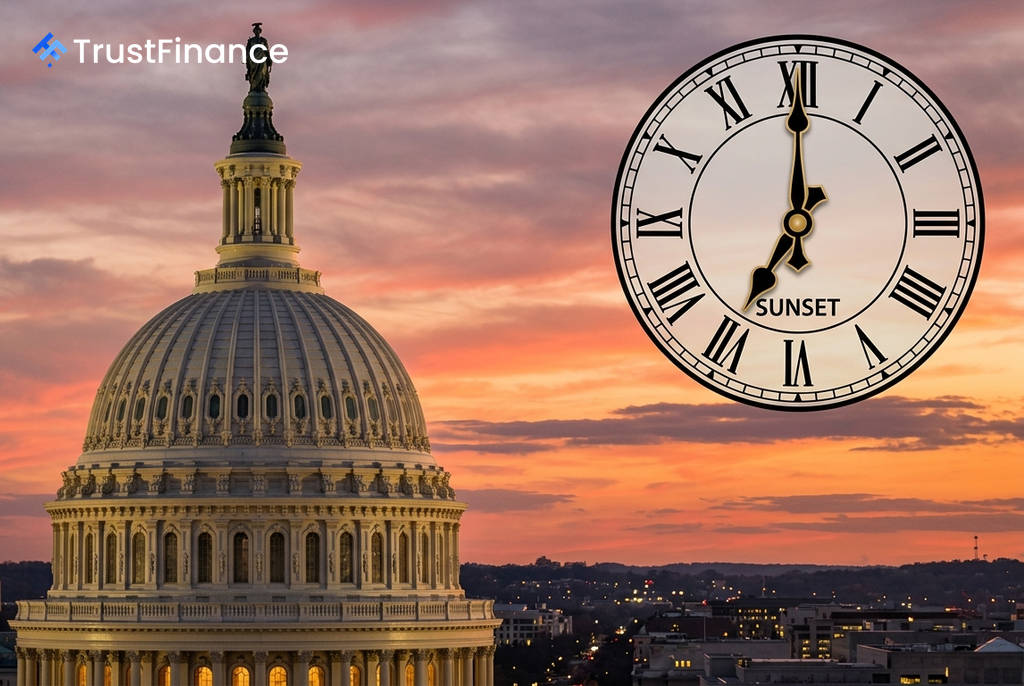
The U.S. House of Representatives is scheduled to vote next week on the Sunshine Protection Act, a bill that would end the biannual clock change. The measure, which passed the Senate in 2022 but stalled, faces renewed debate over its potential economic and safety impacts.
The U.S. House of Representatives is set to vote next week on legislation to make daylight saving time (DST) permanent, reviving a long-debated proposal to end the twice-yearly changing of clocks. According to a notice posted Thursday, the vote will address the Sunshine Protection Act, which previously passed the Senate but never came to a vote in the House.
Legislative Push
The bill gained significant momentum in May when the House Energy and Commerce Committee approved it with strong bipartisan support in a 48-1 vote. The current proposal would allow individual states to opt out of the permanent DST arrangement.
This follows a similar effort in March 2022, when the U.S. Senate unanimously passed a bill to end the clock changes. However, the measure was never taken up by the House at the time amid some opposition and other legislative priorities. If the bill passes the House next week, it would still need to be considered and passed again by the Senate.
Economic and Safety Arguments
Proponents of the measure, such as Representative Vern Buchanan (R-FL), argue that making DST permanent would have several benefits. Supporters believe the change would:
 Ad
Ad- Reduce sleep disturbances and health issues associated with the time shift.
- Decrease workplace injuries and car accidents that studies have linked to the clock change.
- Spur more evening economic activity during winter months.
Representative Frank Pallone (D-NJ) noted that the move would be "better for safety and will boost New Jersey’s tourism industry."
Opposition and Historical Context
Despite the support, the bill faces opposition. U.S. Senator Tom Cotton (R-AR) has previously argued against the change, citing concerns that it would lead to dangerously dark mornings for children going to school during the winter.
The United States has experimented with permanent DST before. It was used during World War Two and was briefly enacted in 1974 in an effort to conserve energy. However, the policy proved deeply unpopular with the public at the time and was repealed by Congress later that same year.