
Story
US Demands Iran Publicly Guarantee Safety of Shipping in Strait of Hormuz
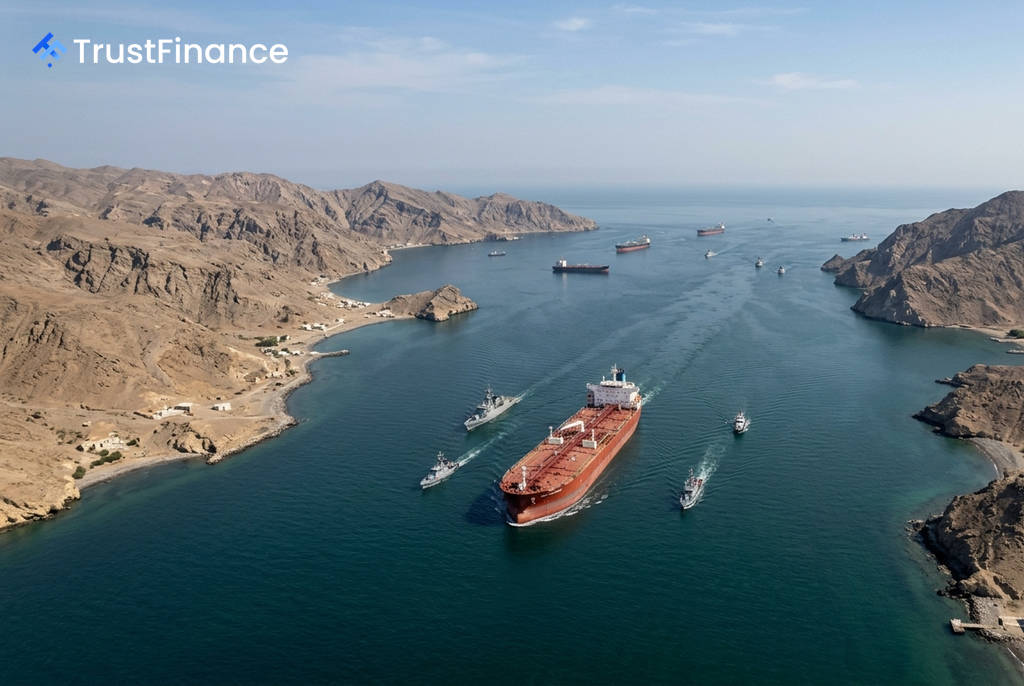
The United States is demanding that Iran issue a public statement guaranteeing it will stop all attacks on commercial vessels in the Strait of Hormuz, senior U.S. officials said Friday. The demand for safe passage through the strategic waterway, with no new tolls, comes after a recent exchange of military strikes has effectively ended a ceasefire signed in June.
US Outlines Conditions
Speaking to reporters, the officials stipulated the U.S. conditions for de-escalation. "What we’re demanding is that the Iranians issue a public statement that acknowledges all channels of the Strait of Hormuz are open and they’re not shooting at ships anymore," one official stated. They added that conversations between the two countries had been "productive in recent days."
According to one official, Iran has conveyed to Washington that recent attacks on shipping, which targeted three Qatari and Saudi tankers this week, were from an "errant part of their system." The official also suggested an internal power struggle may be unfolding between hardliners and pragmatists within the Iranian government.
Broader Nuclear Stakes
The standoff in the Gulf is linked to a more fundamental U.S. demand for Iran to surrender its nuclear materials. A key U.S. objective is the turnover of what officials described as more than 900 pounds of highly enriched uranium. This issue is meant to be resolved within a 60-day negotiation period established by a memorandum of understanding signed in June.
 Ad
"I just want to be clear here that if we don’t get the dust, we do not have a deal with Iran," an official said, referring to the uranium. The official warned that the U.S. has "a lot of options," including military and economic measures, should Iran refuse to comply.
Market Impact and Diplomatic Efforts
The Strait of Hormuz is a critical chokepoint through which approximately one-fifth of the world's oil supply typically flows. Heightened military activity or threats of closure in the strait can introduce a significant geopolitical risk premium into oil prices, leading to increased volatility for benchmarks like Brent and WTI crude.
Amid the tensions, diplomatic channels remain active. Iran's official news agency, IRNA, reported that Foreign Minister Abbas Araqchi is scheduled to travel to Oman on Saturday for talks on regional developments, with a particular focus on the situation in the strait.