
Story
US, Canada Negotiators Meet for Second Day as Tariff Deadline Looms
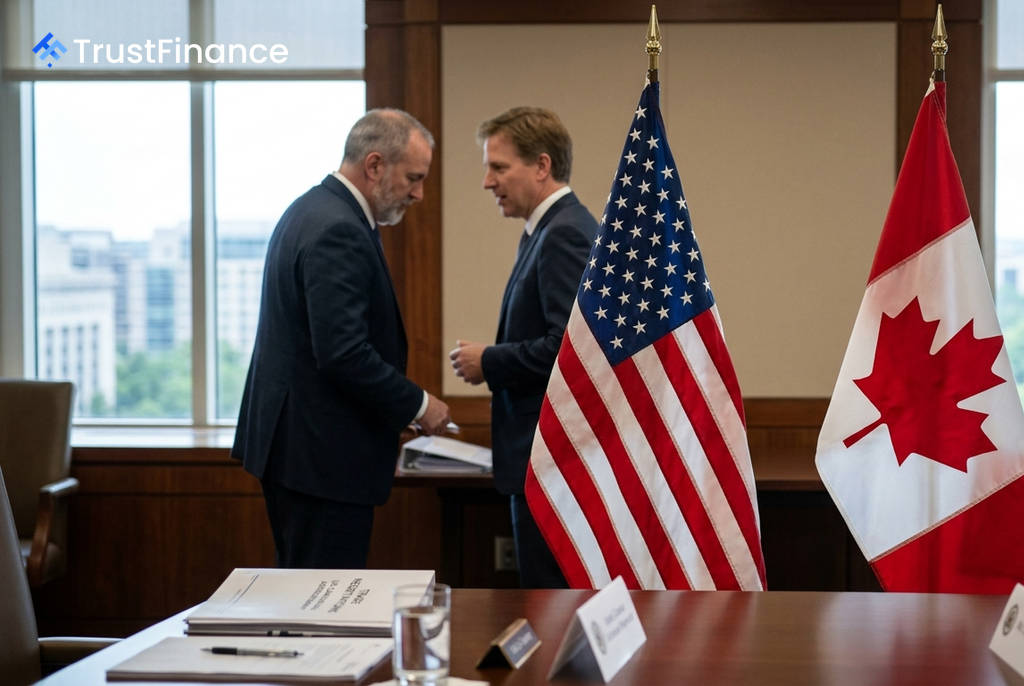
Top trade negotiators from the United States and Canada are meeting again in Washington on Thursday in a push to finalize a trade agreement before a critical weekend deadline. The talks aim to de-escalate a months-long dispute and prevent the imposition of significant new U.S. tariffs.
High-Stakes Negotiations
Canada’s minister for U.S. trade, Dominic LeBlanc, and U.S. Trade Representative Jamieson Greer were scheduled to meet at 12:15 p.m. EDT, according to LeBlanc's office. The meeting follows discussions on Wednesday where both sides reported significant progress. Canada’s chief trade negotiator, Janice Charette, is also attending.
Separately, U.S. Secretary of State Marco Rubio is slated to meet with Canadian Foreign Minister Anita Anand at the White House. The flurry of high-level meetings underscores the urgency to secure a deal and normalize trade relations between the two deeply integrated economies.
Potential Deal Contours
A source familiar with the matter told Reuters that a potential agreement could involve substantial tariff reductions from Washington. The proposed terms reportedly include:
 Ad
- A cut in the U.S. tariff on Canadian-built vehicles to 15% from the current 25%.
- A halving of U.S. tariffs on Canadian steel and aluminum to 25%.
U.S. President Donald Trump said Wednesday that Washington would offer some tariff concessions, and a deal would likely see Canada remove its retaliatory tariffs on U.S. goods. In a related development, Canadian Prime Minister Mark Carney has reportedly urged provincial premiers to end a ban on U.S. alcohol, a key irritant for Washington, should a broader agreement be reached.
Background and Market Impact
The negotiations are taking place under pressure from a looming deadline. President Trump recently postponed a new 50% tariff on approximately $20 billion worth of Canadian goods until Saturday at 12:01 a.m. EDT, citing progress in the talks.
A successful deal would provide significant relief to North American supply chains, particularly in the automotive and manufacturing sectors, which have faced uncertainty and increased costs. The original dispute began last year when the U.S. imposed tariffs on Canadian steel, aluminum, and vehicles, prompting countermeasures from Ottawa.
Read next
More on Commodities
U.S. Crude Inventories Post Surprise Draw While Gasoline Stocks Swell, EIA Reports
U.S. crude oil stockpiles fell unexpectedly last week, driven by a surge in exports, while gasoline inventories saw a significant build amid weakening demand, according to the latest EIA data.

UBS Raises Year-End Brent Forecast to $110 on Middle East Supply Risks
UBS has increased its year-end forecast for Brent crude to $110 per barrel, citing escalating supply risks in the Middle East, declining global inventories, and record-high freight costs.

Iran Dismisses Latest Qatari Peace Proposal as 'Unacceptable'
A senior Iranian official has rejected the latest Qatari-mediated draft deal to end the eight-month war, calling the ideas 'unacceptable' and signaling a continued diplomatic impasse. The news comes amid rising oil prices following attacks on Saudi energy infrastructure.

Argentina Poised to Gain EU Soymeal Market Share as Deforestation Rules Hit Brazil
Argentina's soybean industry is preparing to capture a larger share of the European Union's soymeal market as new EU anti-deforestation rules are expected to disrupt exports from rival Brazil.