
Story
Unilever Sheds Food Assets in Bet on Focused Portfolio, But Investors Seek Proof
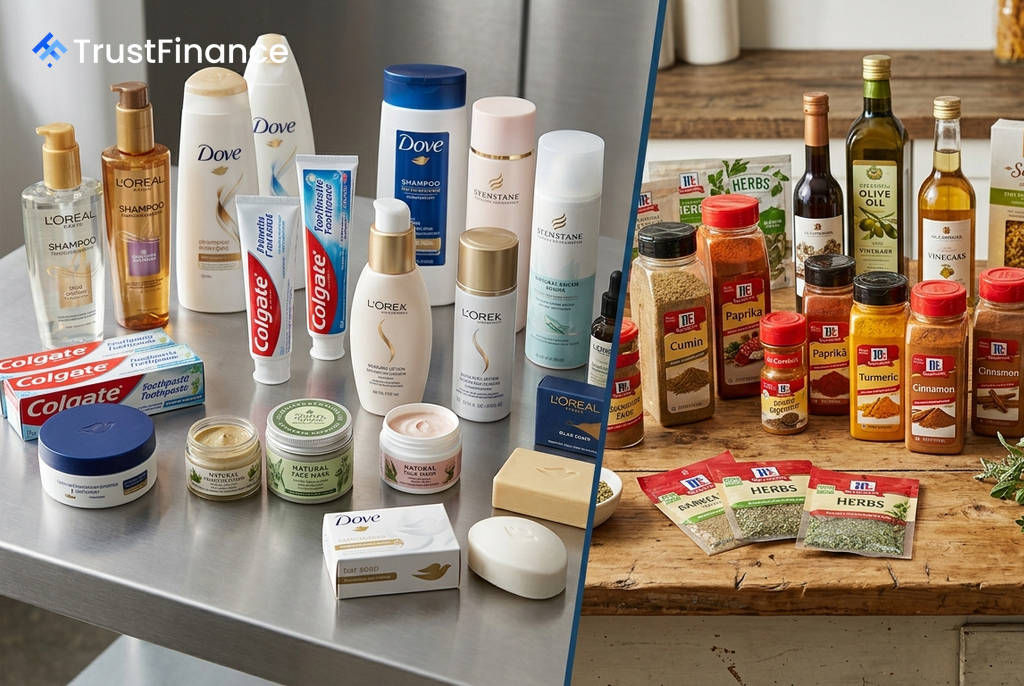
Unilever is betting that a strategic pivot away from food will convince investors it deserves a higher valuation, but the company must first prove that a simpler structure can generate superior returns. The consumer goods giant is narrowing its focus to its beauty, personal care, and home products in an effort to close a valuation gap with more streamlined rivals.
The Conglomerate Discount
Unilever's move addresses what investors often call a "conglomerate discount," where complex, diversified companies trade at a lower valuation than more focused peers. According to LSEG data, Unilever trades at 11.5 times its enterprise value to core earnings.
This multiple lags significantly behind its competitors:
- Procter & Gamble: 14.8x
- L’Oreal: 17.5x
- Coca-Cola: 22.7x
To realign its portfolio, Unilever has accelerated its retreat from food, spinning off its ice cream business and striking a roughly $65 billion deal in March to combine its food division with U.S. spice maker McCormick.
Investor Scrutiny
 Ad
Despite the strategic rationale, investors remain cautious. A key concern, noted by Barclays analyst Warren Ackerman, is the continued exposure to the slower-growing food category. The McCormick deal will leave Unilever with an almost 10% stake in the combined entity, while its shareholders will hold a majority stake of roughly 55%.
Furthermore, the divested food business historically generated attractive margins, increasing pressure on the remaining divisions to drive growth. Dan Hanbury, a portfolio manager at Ninety One, told Reuters that Unilever likely needs "three or four quarters of strong volume growth" to win over doubters wary of "false dawns" in corporate turnarounds.
A Path to Re-rating
The strategy of simplification has been successfully executed by industrial firms like General Electric and, more pointedly, by rival Procter & Gamble. The Tide detergent maker streamlined its brand portfolio and exited the food business, which led to stronger growth and a premium valuation for much of the following decade.
Unilever has shown signs of operational improvement, reporting in July that its sales volumes had reached their highest level in more than a decade. CEO Fernando Fernandez expressed confidence in June that the company's value will be recognized as it continues to deliver strong results and completes the McCormick transaction. For now, the market is watching for sustained execution to justify a re-rating of the company's stock.
Read next
More on Stocks
FTC Orders Walmart, Uber, Delta to Disclose Data on Personalized Pricing
The U.S. Federal Trade Commission is demanding nine major companies, including leading retail, travel, and gig economy firms, to provide information on how they use consumer data for setting individual prices and wages.

Google Launches Gemini 4 Carbon AI Model to Bolster Cybersecurity Capabilities
Alphabet's Google has unveiled Gemini 4 Carbon, its latest AI model specifically designed for advanced cybersecurity tasks like vulnerability detection and secure code generation. The launch escalates competition with rivals OpenAI and Anthropic in the enterprise AI market.

Oracle Shares Surge After Unveiling $225 Billion Revenue Target for 2030
Oracle stock rose sharply after the company presented a long-term financial outlook targeting at least $225 billion in annual revenue by fiscal 2030, driven by its expanding AI infrastructure business.

DOJ Scrutinizes Nvidia's $12.9B Hugging Face Deal Amid Broader Antitrust Probe, Sources Say
The U.S. Department of Justice is reportedly examining Nvidia's planned $12.93 billion acquisition of AI platform Hugging Face as part of a wider, ongoing antitrust investigation into the chipmaker's market conduct.