
Story
Trump Reverses Stance, Says No Fee Should Be Charged for Strait of Hormuz Transit
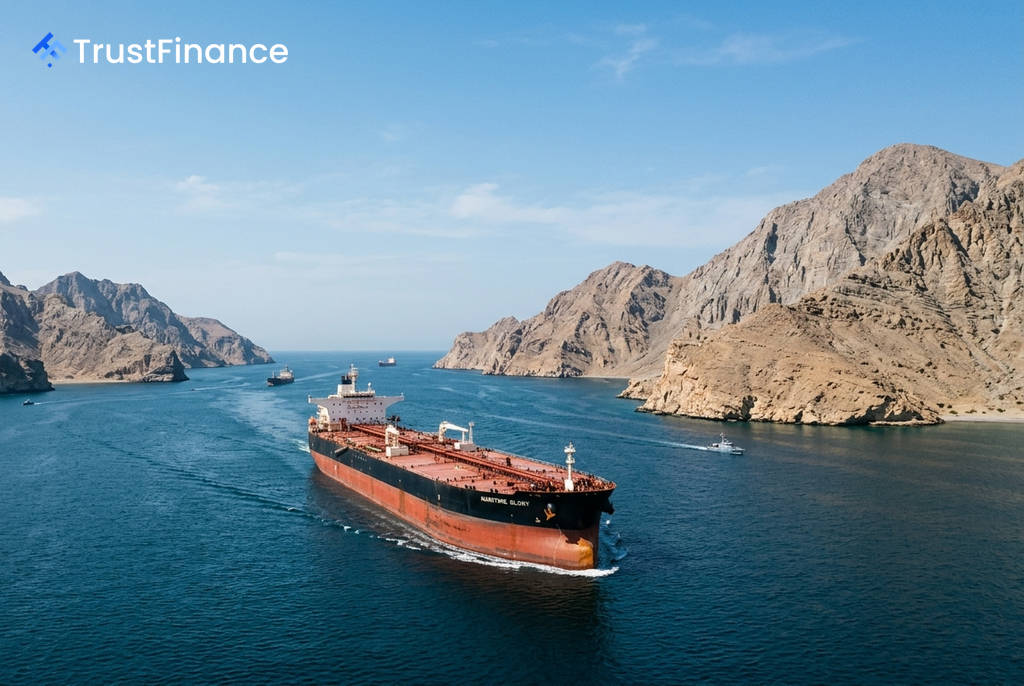
U.S. President Donald Trump on Tuesday reversed his position on charging for passage through the Strait of Hormuz, stating that he does not believe anyone should impose a fee on ships using the critical oil chokepoint. The statement marks a sharp departure from a proposal he floated just a day earlier.
Reversal on Transit Fee Proposal
In remarks to reporters on Tuesday, Trump said, "I don’t think anybody should be able to charge a fee," according to a report from Reuters. This directly contradicts his suggestion on Monday that the United States could implement a 20% transit fee for its role in securing the waterway.
While walking back the idea of a fee, the president reiterated his concerns about the financial burden of U.S. military operations in the region. "I don’t like the concept of a fee, but at the same time, it’s not fair that we’re protecting this Strait for the entire world," he said.
 Ad
Importance for Energy Markets
The Strait of Hormuz is the world's most vital maritime chokepoint for oil, with a substantial portion of global petroleum supplies passing through it daily. Any new costs, such as a transit fee, or heightened geopolitical tension in the area could directly impact global energy prices and shipping costs.
The president's conflicting statements within a 24-hour period introduce a degree of policy uncertainty for energy markets and international shipping companies. While the immediate prospect of a U.S.-imposed fee appears to have receded, the comments highlight the administration's ongoing focus on the cost of ensuring freedom of navigation in the Persian Gulf.
Read next
More on Commodities
U.S. Crude Inventories Post Surprise Draw While Gasoline Stocks Swell, EIA Reports
U.S. crude oil stockpiles fell unexpectedly last week, driven by a surge in exports, while gasoline inventories saw a significant build amid weakening demand, according to the latest EIA data.

UBS Raises Year-End Brent Forecast to $110 on Middle East Supply Risks
UBS has increased its year-end forecast for Brent crude to $110 per barrel, citing escalating supply risks in the Middle East, declining global inventories, and record-high freight costs.

Iran Dismisses Latest Qatari Peace Proposal as 'Unacceptable'
A senior Iranian official has rejected the latest Qatari-mediated draft deal to end the eight-month war, calling the ideas 'unacceptable' and signaling a continued diplomatic impasse. The news comes amid rising oil prices following attacks on Saudi energy infrastructure.

Argentina Poised to Gain EU Soymeal Market Share as Deforestation Rules Hit Brazil
Argentina's soybean industry is preparing to capture a larger share of the European Union's soymeal market as new EU anti-deforestation rules are expected to disrupt exports from rival Brazil.