
Story
Trump Reverses Plan for 20% Hormuz Fee, Opts for Gulf Investment Deals
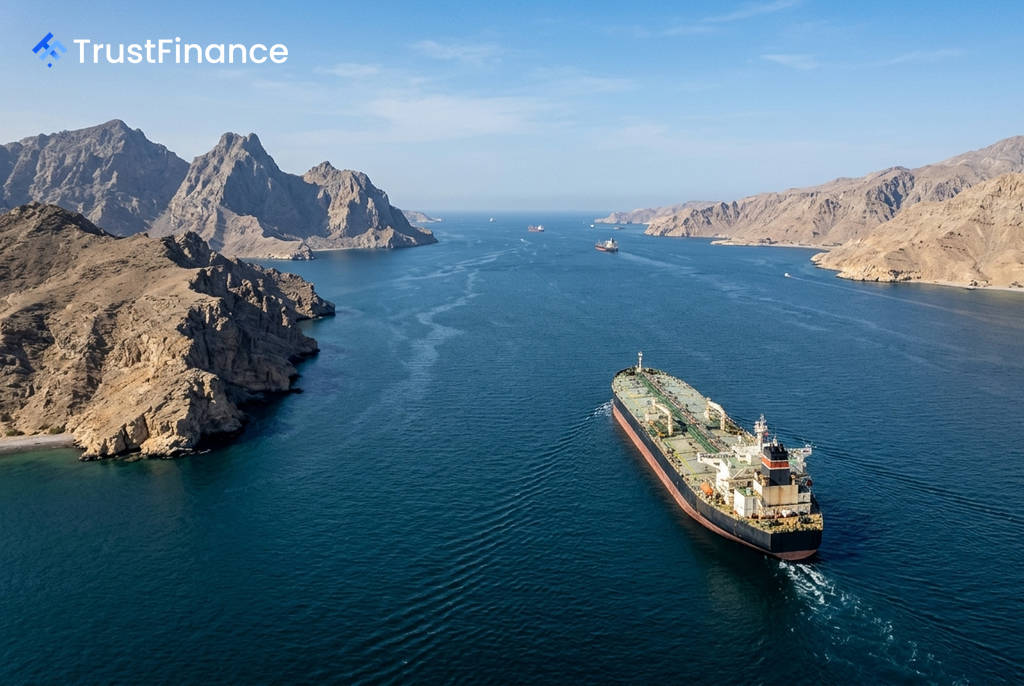
U.S. President Donald Trump on Tuesday walked back a proposal to levy a 20% fee on ships transiting the Strait of Hormuz, announcing that the plan will be replaced by new trade and investment agreements with Gulf states. The reversal comes just one day after the initial fee was suggested.
Policy Shift Announced on Social Media
In a post on the Truth Social platform, Trump said the change in policy followed diplomatic engagement with regional partners. The specifics of the new trade and investment deals were not immediately disclosed.
"Based on highly productive conversations with Middle East leadership, I have decided to replace the 20% United States Reimbursement Fee with Trade and Investment Deals that the various Gulf States will be making into the United States," the president stated, according to the July 14 post.
Market Implications
 Ad
The Strait of Hormuz is one of the world's most critical maritime chokepoints, particularly for global energy supplies. The initial proposal for a substantial fee on passage could have significantly increased shipping costs and introduced major uncertainty into crude oil markets.
This pivot away from a direct levy on transit towards broader economic partnerships is likely to be seen by investors as a less disruptive approach. The move removes the immediate risk of a new tariff on a vital global trade artery, potentially easing concerns about energy price inflation and supply chain stability.
From 'Reimbursement' to Investment
The previously proposed "Reimbursement Fee" appeared to be framed as a way for regional allies to contribute to the costs of U.S. security operations that ensure freedom of navigation in the strategic waterway. The new policy shifts the U.S. economic relationship with these nations from a direct fee-for-security model to one based on reciprocal investment.
Read next
More on Commodities
U.S. Crude Inventories Post Surprise Draw While Gasoline Stocks Swell, EIA Reports
U.S. crude oil stockpiles fell unexpectedly last week, driven by a surge in exports, while gasoline inventories saw a significant build amid weakening demand, according to the latest EIA data.

UBS Raises Year-End Brent Forecast to $110 on Middle East Supply Risks
UBS has increased its year-end forecast for Brent crude to $110 per barrel, citing escalating supply risks in the Middle East, declining global inventories, and record-high freight costs.

Iran Dismisses Latest Qatari Peace Proposal as 'Unacceptable'
A senior Iranian official has rejected the latest Qatari-mediated draft deal to end the eight-month war, calling the ideas 'unacceptable' and signaling a continued diplomatic impasse. The news comes amid rising oil prices following attacks on Saudi energy infrastructure.

Argentina Poised to Gain EU Soymeal Market Share as Deforestation Rules Hit Brazil
Argentina's soybean industry is preparing to capture a larger share of the European Union's soymeal market as new EU anti-deforestation rules are expected to disrupt exports from rival Brazil.