
Story
Trump Declares Iran Ceasefire 'OVER' But Agrees to Continue Talks
Former President Donald Trump declared Friday that a ceasefire with Iran is "OVER," while simultaneously stating the U.S. has agreed to an Iranian request to continue talks. The announcement, made on his Truth Social platform, introduces fresh uncertainty into the region following a week of escalating military exchanges.
Ceasefire Ends Amid Diplomatic Overtures
"The Islamic Republic of Iran has asked us to continue ’talks.’ We have agreed to do so, but the United States has stated to them, in no uncertain terms, that the Cease Fire is OVER!" Trump wrote. However, Iran disputed this account, with its Foreign Ministry spokesperson telling state television that Tehran had not requested direct talks but had agreed to host a Qatari mediator.
A source with knowledge of the matter confirmed to Reuters that Qatari negotiators were in Iran on Friday to help de-escalate tensions. Meanwhile, senior U.S. officials said Washington is demanding that Iran issue a public statement guaranteeing that all shipping lanes in the Strait of Hormuz will remain open and that attacks on vessels will cease.
Market Reacts to Renewed Gulf Tensions
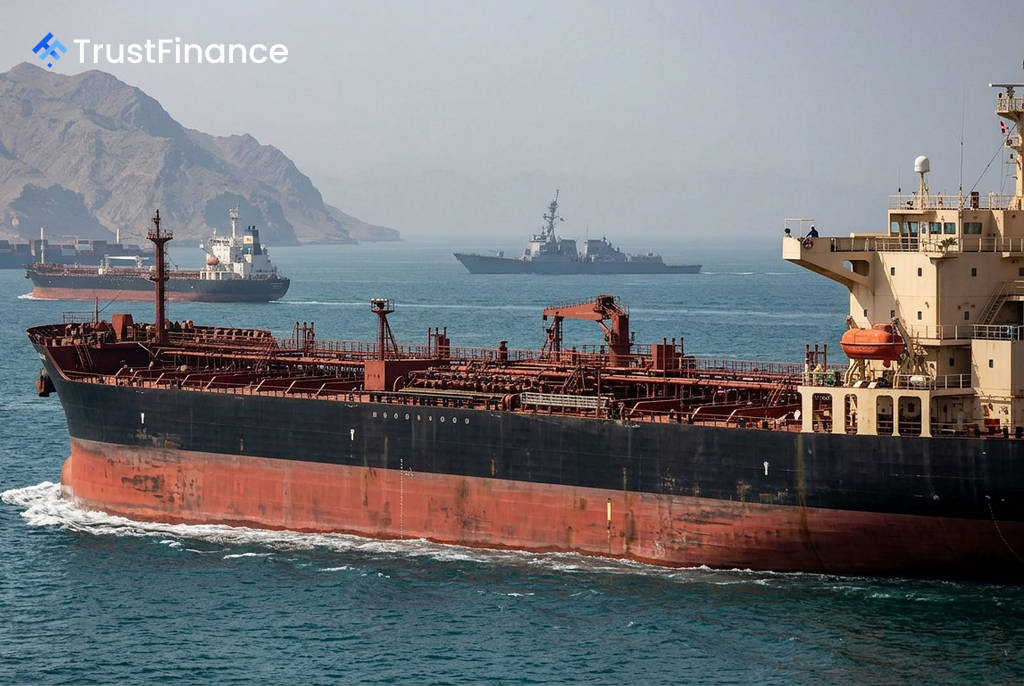
The renewed conflict has directly impacted global energy markets. Crude oil prices posted their biggest weekly rise in eight weeks as hostilities threaten supply through the Strait of Hormuz, a waterway that handled about a fifth of global oil and liquefied natural gas shipments before the war.
 Ad
The turmoil is also affecting U.S. consumers at the pump. According to the Energy Information Administration (EIA), U.S. gasoline inventories fell by 1.9 million barrels last week. National stockpiles are now nearly 10 million barrels below the five-year average, with gasoline stocks running below seasonal norms in all U.S. regions, according to Dow Jones Energy analyst Denton Cinquegrana.
Background of the Conflict
This week's diplomatic maneuvering follows a series of tit-for-tat military actions. The U.S. accused Iranian forces of attacking three Qatari and Saudi commercial tankers, prompting retaliatory U.S. strikes on military sites in Iran. Tehran then launched its own strikes on U.S. military sites in neighboring Gulf states.
Iran's Health Ministry reported that the U.S. strikes on Wednesday and Thursday killed at least 17 people and wounded 115 across six cities. The broader conflict, which has throttled energy supplies and raised fears of a global economic downturn, began on February 28.