
Story
Trump Announces Iran Talks, Easing Tensions and Pushing Oil Prices Lower
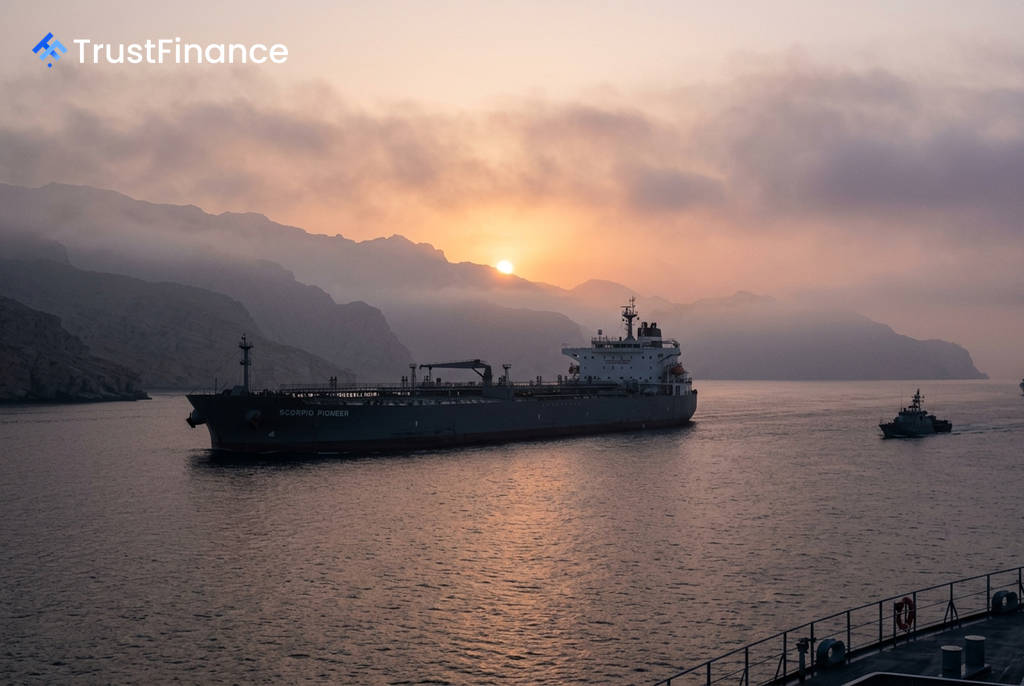
President Donald Trump announced Sunday that diplomatic talks with Iran are set to begin on Monday, a development that sent oil prices tumbling on hopes of easing geopolitical tensions. Speaking to reporters, Trump did not specify a deadline for reaching an agreement to resolve the ongoing conflict over Tehran’s nuclear program and the closure of a critical energy chokepoint.
De-escalation Spurs Market Relief
The announcement follows a statement from Trump on Saturday indicating he had called off a planned military attack to allow time for a deal. The primary objectives of any potential agreement would be the reopening of the Strait of Hormuz and a resolution to the impasse over Iran's nuclear capabilities, according to the president's previous comments.
Market reaction was swift, with oil prices falling more than 4% in early Monday trading, as reported by Reuters. The conflict has severely restricted passage through the Strait of Hormuz, a conduit for approximately 20% of the world's oil and liquefied natural gas, leading to higher energy costs and broader inflationary pressures.
 Ad
Regional Diplomacy and Skepticism
Tehran has also engaged in separate diplomatic efforts. Iran’s Foreign Minister, Abbas Araqchi, held calls with counterparts in Saudi Arabia and Pakistan, according to Iranian state media. The state-run IRNA news agency also reported that negotiations with Oman regarding a new shipping route through the strait were in their final stages, though a spokesperson clarified this was separate from a full reopening.
Despite the move toward talks, regional skepticism remains. Eli Cohen, Israel’s energy minister, affirmed that Israel maintains close security coordination with the U.S. but would act independently if necessary. "With or without an agreement... if Iran attempts to renew its nuclear program or advance its ballistic missile industries, we will be there. We will take action, and we will strike," Cohen stated, underscoring the fragile nature of the diplomatic opening.
Read next
More on Commodities
U.S. Crude Inventories Post Surprise Draw While Gasoline Stocks Swell, EIA Reports
U.S. crude oil stockpiles fell unexpectedly last week, driven by a surge in exports, while gasoline inventories saw a significant build amid weakening demand, according to the latest EIA data.

UBS Raises Year-End Brent Forecast to $110 on Middle East Supply Risks
UBS has increased its year-end forecast for Brent crude to $110 per barrel, citing escalating supply risks in the Middle East, declining global inventories, and record-high freight costs.

Iran Dismisses Latest Qatari Peace Proposal as 'Unacceptable'
A senior Iranian official has rejected the latest Qatari-mediated draft deal to end the eight-month war, calling the ideas 'unacceptable' and signaling a continued diplomatic impasse. The news comes amid rising oil prices following attacks on Saudi energy infrastructure.

Argentina Poised to Gain EU Soymeal Market Share as Deforestation Rules Hit Brazil
Argentina's soybean industry is preparing to capture a larger share of the European Union's soymeal market as new EU anti-deforestation rules are expected to disrupt exports from rival Brazil.