
Story
Target Shares Fall From 52-Week High Amid Profit-Taking and Scrutiny of Earnings Quality
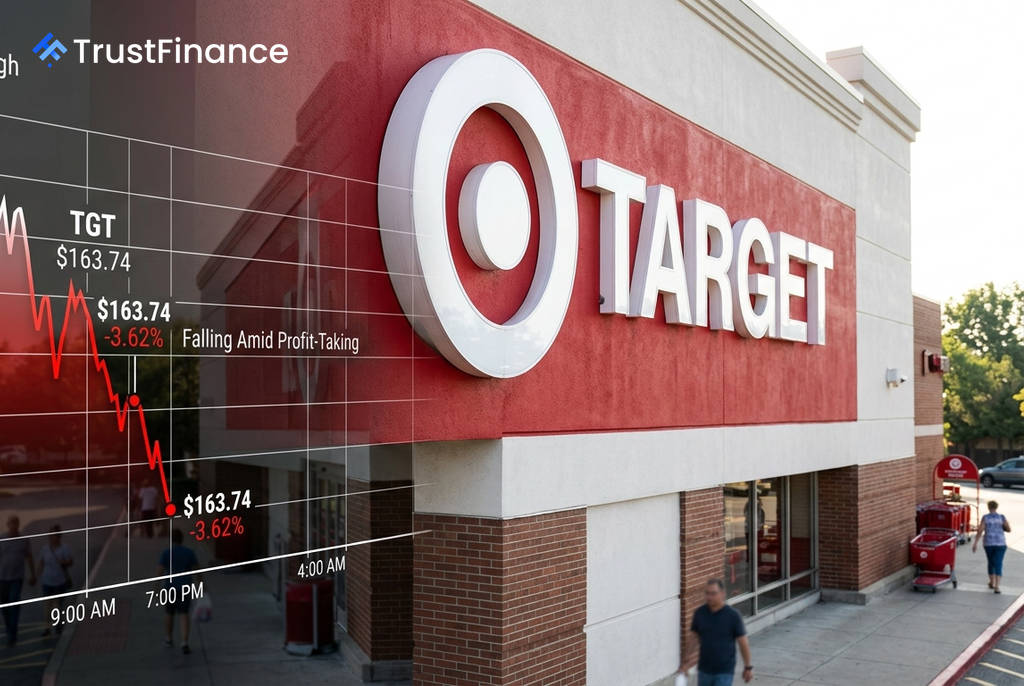
Target (TGT) shares fell nearly 3.9% in morning trading, pulling back sharply after touching a fresh 52-week high of $166.75 at the market open. The decline appears driven by profit-taking and investor concerns over the retailer's valuation following a significant rally last week.
Valuation and Earnings Quality in Focus
The selling pressure comes after a powerful surge in Target's stock price following its second-quarter earnings report on August 19. However, with the average Wall Street price target at approximately $162, the stock's recent peak ran ahead of consensus analyst valuations, prompting some investors to lock in gains.
Scrutiny has also fallen on the quality of the company's Q2 earnings. While Target reported a headline-grabbing EPS of $4.11, that figure included a substantial one-time benefit from a $994 million pretax tariff refund. According to the source, this refund contributed $1.65 per share to the result, suggesting a more modest underlying profit picture. CEO Michael Fiddelke also tempered investor enthusiasm, cautioning that "we have much more work to do."
 Ad
Brand Controversy and Sector Concerns
Adding to the headwinds, Target faced a reputational issue this week after it apologized and withdrew a children's Halloween costume from its Hyde and EEK Boutique line. The item drew widespread criticism on social media for its resemblance to racist blackface imagery, generating negative brand coverage.
Broader sector anxiety is also weighing on sentiment. Retail investors remain cautious about the health of the consumer after rival Walmart (WMT) last week reported U.S. comparable sales growth of just 2.6%, missing expectations of 3.5%. With the S&P 500 trading modestly higher, the sharp drop in Target's shares indicates the selling pressure is specific to the company rather than a reflection of wider market weakness.
Read next
More on Stocks
FTC Orders Walmart, Uber, Delta to Disclose Data on Personalized Pricing
The U.S. Federal Trade Commission is demanding nine major companies, including leading retail, travel, and gig economy firms, to provide information on how they use consumer data for setting individual prices and wages.

Google Launches Gemini 4 Carbon AI Model to Bolster Cybersecurity Capabilities
Alphabet's Google has unveiled Gemini 4 Carbon, its latest AI model specifically designed for advanced cybersecurity tasks like vulnerability detection and secure code generation. The launch escalates competition with rivals OpenAI and Anthropic in the enterprise AI market.

Oracle Shares Surge After Unveiling $225 Billion Revenue Target for 2030
Oracle stock rose sharply after the company presented a long-term financial outlook targeting at least $225 billion in annual revenue by fiscal 2030, driven by its expanding AI infrastructure business.

DOJ Scrutinizes Nvidia's $12.9B Hugging Face Deal Amid Broader Antitrust Probe, Sources Say
The U.S. Department of Justice is reportedly examining Nvidia's planned $12.93 billion acquisition of AI platform Hugging Face as part of a wider, ongoing antitrust investigation into the chipmaker's market conduct.