
Story
South Korea Launches 24-Hour Won Trading to Boost Developed Market Bid
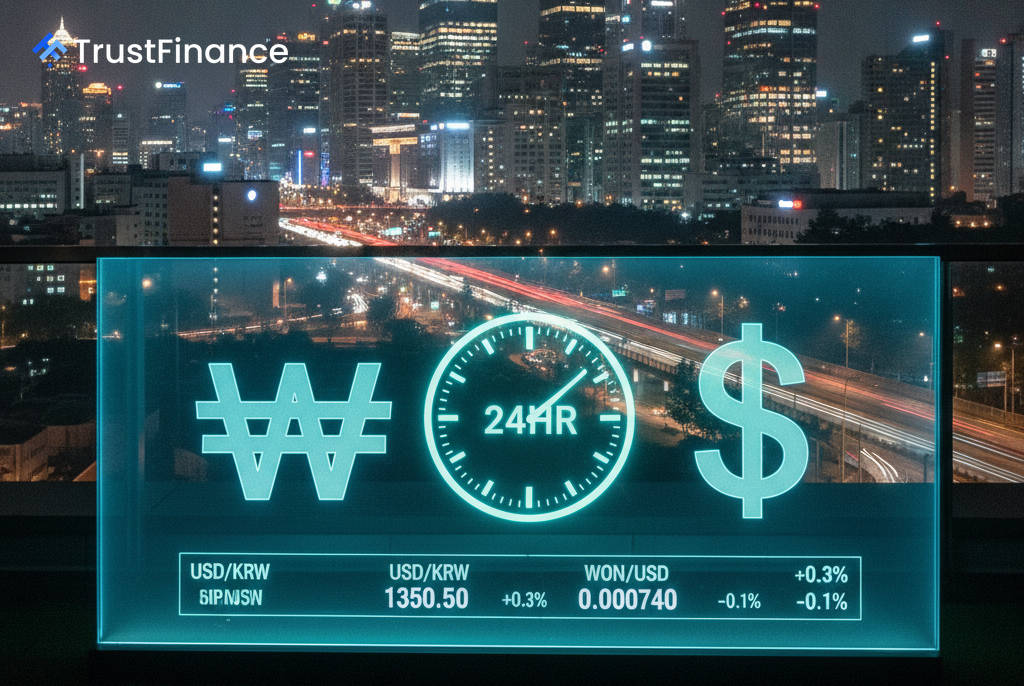
South Korea on Monday began round-the-clock trading of its currency, the won, against the U.S. dollar in a landmark reform aimed at bolstering its case for inclusion in global developed-market equity indexes. The change allows overseas investors to trade the currency directly outside of traditional Asian business hours, aligning Seoul's foreign exchange market more closely with international standards.
A Major FX Market Overhaul
This initiative marks one of the most significant overhauls to South Korea's foreign exchange (FX) market in decades. Previously, onshore trading of the dollar-won pair was largely restricted to local business hours, forcing many international investors to use offshore non-deliverable forwards (NDFs) to manage their currency exposure.
The new overnight trading session will be supported by designated domestic lenders and registered international banks. According to the source, authorities expect market liquidity to build gradually as more overseas institutions begin to participate.
The Push for Developed Market Status
 Ad
The reform is a key part of South Korea's long-standing effort to be upgraded to MSCI's Developed Markets Index. The index provider has frequently cited the country's restrictive FX market as a primary obstacle to reclassification, and longer trading hours were among the measures encouraged to improve accessibility.
This move complements other government efforts to modernize capital markets and ease requirements for foreign investors. The benchmark KOSPI index has performed strongly, climbing more than 30% this year, fueled by gains in the technology sector and optimism around corporate governance reforms.
Initial Market Reaction
On the first day of extended trading, the South Korean won traded weaker against the U.S. dollar. The USD/KRW currency pair rose by 0.3% on Monday, according to Investing.com. This movement followed a rebound for the won late last week from its weakest level against the dollar since 2009.