
Story
South African Farmers to Cut Corn Plantings to Lowest Since 2019 on Cost, El Niño Fears
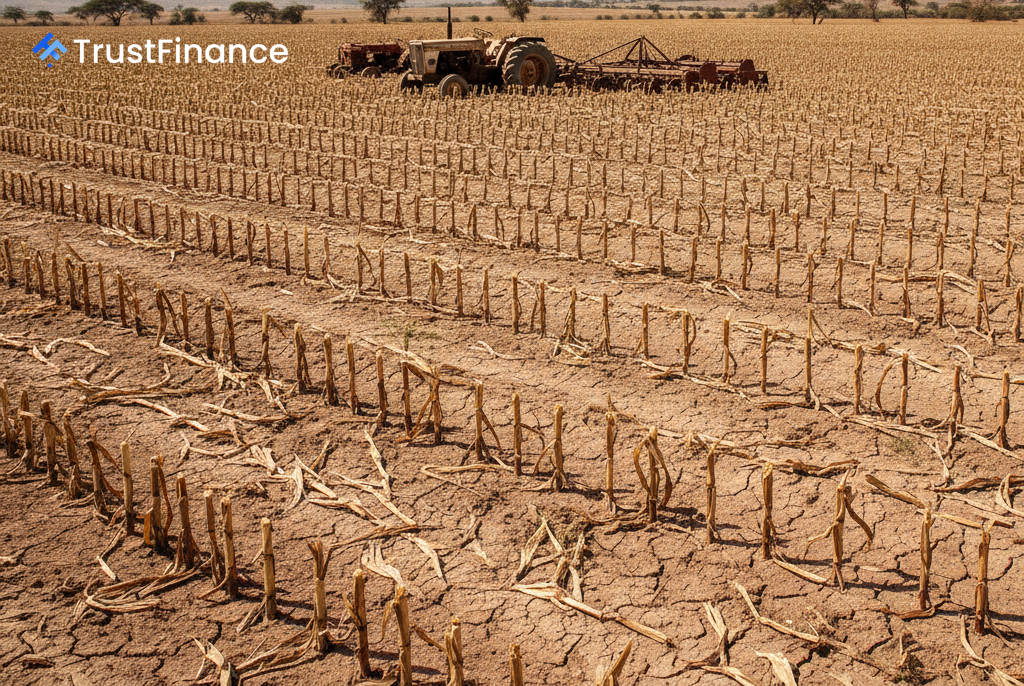
South African commercial corn farmers are planning their smallest planting area since 2019 for the upcoming season, responding to a combination of soaring input costs and forecasts of a dry summer. The move could have significant implications for food prices and inflation in the region.
Details of the Planned Reduction
According to the first planting intentions report for the next season, released Tuesday by the country's Crop Estimates Committee, farmers intend to sow approximately 2.4 million hectares of corn. This figure represents a 12.4% reduction from the previous year and is roughly 10% below the five-year average.
The committee's report detailed a significant split in the planned cutbacks:
- White corn: The intended planting area is set to decrease by 18.2%. This variety is a critical food staple in South Africa and neighboring countries.
- Yellow corn: Plantings are expected to decline by a more modest 3.1%. This type is used primarily for animal feed.
Costs and Climate Pressure Growers
 Ad
The decision to scale back plantings is driven by two primary pressures facing the agricultural sector. Farmers are contending with higher prices for critical inputs such as fertilizer and fuel. The source material links these cost increases to ongoing conflict in the Middle East.
Simultaneously, the agricultural community is bracing for the potential impact of the El Niño weather phenomenon, which is associated with drier conditions and potential drought in Southern Africa. A smaller harvest, particularly of the staple white corn, could tighten supply and exert upward pressure on food prices.
Inflationary Risks on Central Bank's Radar
The potential for higher food prices is also drawing the attention of monetary policymakers. In its most recent monetary policy review, the South African Reserve Bank explicitly noted the inflationary risks posed by rising fuel costs and potential El Niño-related food price shocks.
The central bank stated it would act decisively to prevent these factors from elevating inflation expectations and feeding into secondary effects, such as wage-setting mechanisms. This highlights the broader economic sensitivity to the outlook for the upcoming agricultural season.
Read next
More on Commodities
U.S. Crude Inventories Post Surprise Draw While Gasoline Stocks Swell, EIA Reports
U.S. crude oil stockpiles fell unexpectedly last week, driven by a surge in exports, while gasoline inventories saw a significant build amid weakening demand, according to the latest EIA data.

UBS Raises Year-End Brent Forecast to $110 on Middle East Supply Risks
UBS has increased its year-end forecast for Brent crude to $110 per barrel, citing escalating supply risks in the Middle East, declining global inventories, and record-high freight costs.

Iran Dismisses Latest Qatari Peace Proposal as 'Unacceptable'
A senior Iranian official has rejected the latest Qatari-mediated draft deal to end the eight-month war, calling the ideas 'unacceptable' and signaling a continued diplomatic impasse. The news comes amid rising oil prices following attacks on Saudi energy infrastructure.

Argentina Poised to Gain EU Soymeal Market Share as Deforestation Rules Hit Brazil
Argentina's soybean industry is preparing to capture a larger share of the European Union's soymeal market as new EU anti-deforestation rules are expected to disrupt exports from rival Brazil.