
Story
Shanghai Vanishing Cream Maker Declares Bankruptcy, Signaling End of an Era for Classic Chinese Skincare
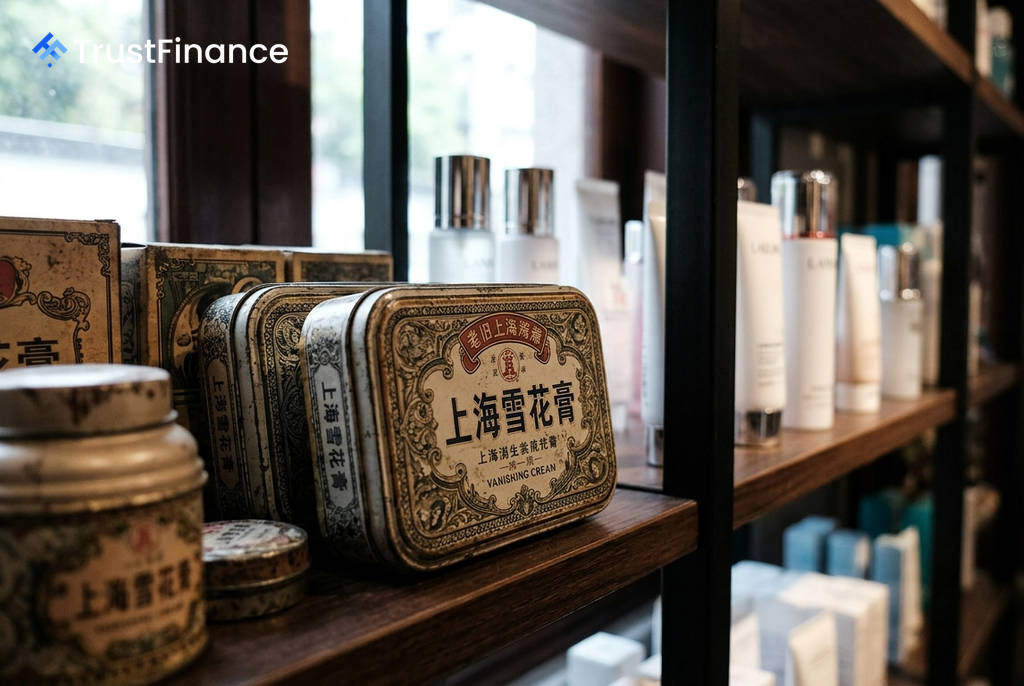
A recent court ruling has officially marked the end for Shanghai Meilan Cosmetics Co., a legacy producer of the once-ubiquitous “vanishing cream.” The Shanghai Pudong New Area People's Court declared the company, founded in 1984, bankrupt and has terminated its liquidation proceedings.
According to the court's civil ruling, Shanghai Meilan's financial situation was dire. The company possessed disposable assets of only ¥95,800 (approximately $13,200), which was insufficient to cover even the bankruptcy fees of ¥98,800. This stood in stark contrast to its confirmed total liabilities of ¥19.42 million (approximately $2.68 million).
A Market Squeezed by Modern Tastes
The downfall of Shanghai Meilan is symptomatic of a broader decline for the entire vanishing cream category, a product that was once a staple in Chinese households. In recent decades, the influx of international cosmetic giants and the rise of domestic brands with sophisticated, multi-functional formulas have severely eroded the market share of traditional skincare products.
Vanishing creams, with their simple formulations, are no longer found in major retailers like Walmart or Hema. Even in local supermarkets where they are still stocked, such as Lianhua Supermarket, they are often relegated to bottom shelves, catering to a small, nostalgic elderly demographic. Online sales reflect a similar trend; on platforms like Tmall, top-selling heritage brands might see tens of thousands of units sold annually, while popular modern skincare products often reach sales in the hundreds of thousands or even millions.
Repositioned as a Tourist Souvenir
 Ad
As vanishing cream has disappeared from mainstream retail, it has found a new, narrow niche in tourist-heavy locations. In Shanghai's popular districts like Tianzifang and Yu Garden, shops catering to visitors prominently display a wide variety of vanishing creams, packaged as nostalgic souvenirs of "Old Shanghai."
These products, sold under brands like "Shanghai Woman" and "Modern Lady," share a common aesthetic of vintage-style packaging and are sold at a significant markup. While a basic tin might cost ¥6-10 in a supermarket, the souvenir versions are priced at ¥39 to ¥59 or more. Despite the elevated prices and elaborate packaging, the underlying product formulations have changed little, with their value now being primarily symbolic rather than functional.
An Unsustainable Nostalgia-Based Model
The business model for these souvenir creams relies on a constant flow of tourists making one-time purchases, rather than building a loyal customer base. One shopkeeper noted that while sales volume is supported by high foot traffic, the business is transactional and profits must cover high commercial rents in prime tourist areas.
The predicament of vanishing cream producers illustrates a critical challenge facing many of China's time-honored brands. While nostalgia provides a unique marketing angle, it is not a sustainable long-term strategy. To survive and thrive, these heritage brands must innovate to meet the functional demands and preferences of today's consumers, rather than relying solely on selling memories.
Read next
More on Stocks
FTC Orders Walmart, Uber, Delta to Disclose Data on Personalized Pricing
The U.S. Federal Trade Commission is demanding nine major companies, including leading retail, travel, and gig economy firms, to provide information on how they use consumer data for setting individual prices and wages.

Google Launches Gemini 4 Carbon AI Model to Bolster Cybersecurity Capabilities
Alphabet's Google has unveiled Gemini 4 Carbon, its latest AI model specifically designed for advanced cybersecurity tasks like vulnerability detection and secure code generation. The launch escalates competition with rivals OpenAI and Anthropic in the enterprise AI market.

Oracle Shares Surge After Unveiling $225 Billion Revenue Target for 2030
Oracle stock rose sharply after the company presented a long-term financial outlook targeting at least $225 billion in annual revenue by fiscal 2030, driven by its expanding AI infrastructure business.

DOJ Scrutinizes Nvidia's $12.9B Hugging Face Deal Amid Broader Antitrust Probe, Sources Say
The U.S. Department of Justice is reportedly examining Nvidia's planned $12.93 billion acquisition of AI platform Hugging Face as part of a wider, ongoing antitrust investigation into the chipmaker's market conduct.