
Story
Samsung, SK Hynix Reject KEPCO's $18.7 Billion Power Prepayment Plan
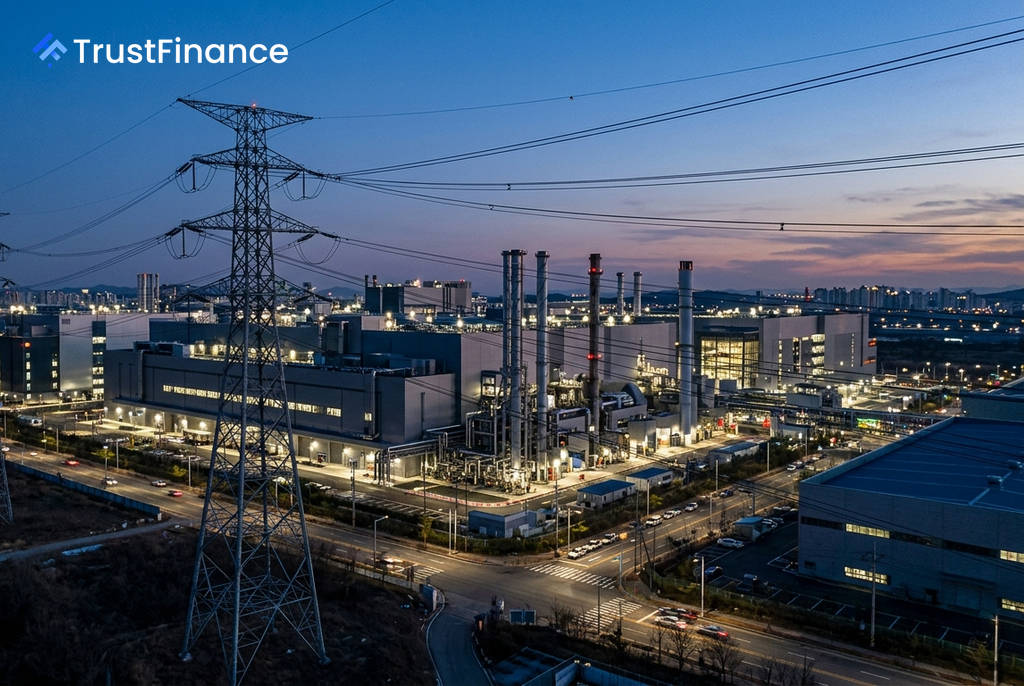
Samsung Electronics and SK Hynix have rejected a 25 trillion won ($18.7 billion) proposal from Korea Electric Power Corp (KEPCO) that would have required the chipmakers to pay in advance for electricity to power planned semiconductor mega clusters. The decision highlights the financial hurdles and long-term uncertainty facing South Korea's ambitious chip manufacturing expansion.
Details of the Rejection
The state-run utility had proposed the massive upfront payment to help it finance the significant infrastructure investments needed to supply stable power to new chip fabrication plants. However, both Samsung and SK Hynix concluded it would be difficult to accept the terms following internal reviews, according to a document submitted to lawmaker Lee Chul-gyu and shared with Reuters.
The proposal was first reported earlier this month by the South Korean newspaper Chosun Ilbo. Both Samsung Electronics and SK Hynix have officially declined to comment on the matter.
Demand Uncertainty a Key Factor
The chipmakers' reluctance reportedly stems from concerns over the long-term stability of semiconductor demand. A company official, speaking to Reuters on condition of anonymity, indicated that the companies questioned the necessity of such a large advance payment given the uncertainty in the highly cyclical chip market.
 Ad
For investors, this move signals a degree of caution from the industry's top players. Committing nearly $19 billion in capital for future energy consumption represents a significant financial risk if long-term demand fails to meet current projections. The rejection underscores the challenge of balancing massive, long-lead-time infrastructure projects with the volatile nature of the technology sector.
Context: Powering a National Priority
The dispute arises as South Korea pushes forward with plans to build several world-leading semiconductor clusters to cement its dominance in the global market. These advanced manufacturing facilities are incredibly energy-intensive, requiring KEPCO to undertake substantial upgrades and expansions to the national power grid.
The rejection of the prepayment plan illustrates the tension between a national strategic goal and the financial risk management of the private corporations central to that strategy. It leaves open the question of how the critical power infrastructure for these mega-projects will be financed.
Read next
More on Stocks
FTC Orders Walmart, Uber, Delta to Disclose Data on Personalized Pricing
The U.S. Federal Trade Commission is demanding nine major companies, including leading retail, travel, and gig economy firms, to provide information on how they use consumer data for setting individual prices and wages.

Google Launches Gemini 4 Carbon AI Model to Bolster Cybersecurity Capabilities
Alphabet's Google has unveiled Gemini 4 Carbon, its latest AI model specifically designed for advanced cybersecurity tasks like vulnerability detection and secure code generation. The launch escalates competition with rivals OpenAI and Anthropic in the enterprise AI market.

Oracle Shares Surge After Unveiling $225 Billion Revenue Target for 2030
Oracle stock rose sharply after the company presented a long-term financial outlook targeting at least $225 billion in annual revenue by fiscal 2030, driven by its expanding AI infrastructure business.

DOJ Scrutinizes Nvidia's $12.9B Hugging Face Deal Amid Broader Antitrust Probe, Sources Say
The U.S. Department of Justice is reportedly examining Nvidia's planned $12.93 billion acquisition of AI platform Hugging Face as part of a wider, ongoing antitrust investigation into the chipmaker's market conduct.