
Story
Samsung, Qualcomm 2nm Chip Deal Delayed Amid Pricing Disagreements
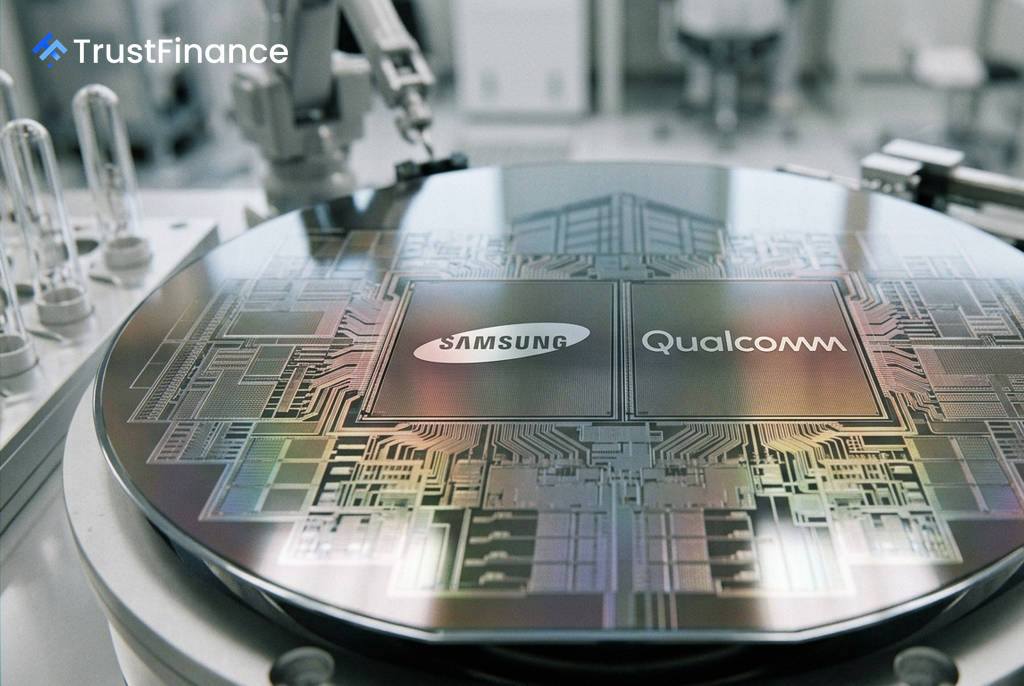
A potential deal for Samsung Electronics to manufacture Qualcomm's next-generation application processors using its 2-nanometer (2nm) process has been delayed amid a stalemate over pricing, according to a Friday report from South Korean news outlet The Bell. The setback makes production within 2026 increasingly unlikely and could shift negotiations toward future chip generations.
Pricing Impasse Halts Progress
The core of the disagreement is reportedly commercial, not technical. Qualcomm is said to be pushing for lower manufacturing costs, while Samsung is resisting making significant price concessions. The prolonged negotiations have now jeopardized the production timeline, which must align with smartphone launch schedules.
According to the report, Qualcomm had responded positively to the technical aspects of Samsung's 2nm process, which appears to have overcome previous performance and yield issues. Samsung's own 2nm-based chips, the Exynos 2600 and 2700, have also received favorable internal assessments, suggesting the technology itself is viable.
 Ad
A Shift in Samsung's Foundry Strategy
The dispute underscores a change in strategy for Samsung's foundry division. The business, a key rival to industry leader TSMC, previously sought to expand its client base by offering more competitive pricing. However, after securing major contracts with customers like Tesla and Broadcom, Samsung now appears less willing to compete solely on price.
A Samsung official familiar with the foundry business told The Bell that the company is no longer engaging in the low-price bidding it had pursued in the past. The report also noted that the production volume under discussion with Qualcomm is relatively small, which reduces Samsung's incentive to offer a discount.
Read next
More on Stocks
FTC Orders Walmart, Uber, Delta to Disclose Data on Personalized Pricing
The U.S. Federal Trade Commission is demanding nine major companies, including leading retail, travel, and gig economy firms, to provide information on how they use consumer data for setting individual prices and wages.

Google Launches Gemini 4 Carbon AI Model to Bolster Cybersecurity Capabilities
Alphabet's Google has unveiled Gemini 4 Carbon, its latest AI model specifically designed for advanced cybersecurity tasks like vulnerability detection and secure code generation. The launch escalates competition with rivals OpenAI and Anthropic in the enterprise AI market.

Oracle Shares Surge After Unveiling $225 Billion Revenue Target for 2030
Oracle stock rose sharply after the company presented a long-term financial outlook targeting at least $225 billion in annual revenue by fiscal 2030, driven by its expanding AI infrastructure business.

DOJ Scrutinizes Nvidia's $12.9B Hugging Face Deal Amid Broader Antitrust Probe, Sources Say
The U.S. Department of Justice is reportedly examining Nvidia's planned $12.93 billion acquisition of AI platform Hugging Face as part of a wider, ongoing antitrust investigation into the chipmaker's market conduct.