
Story
Meta's $18 Billion Settlement on Youth Harm Ignites Global Regulatory Scrutiny
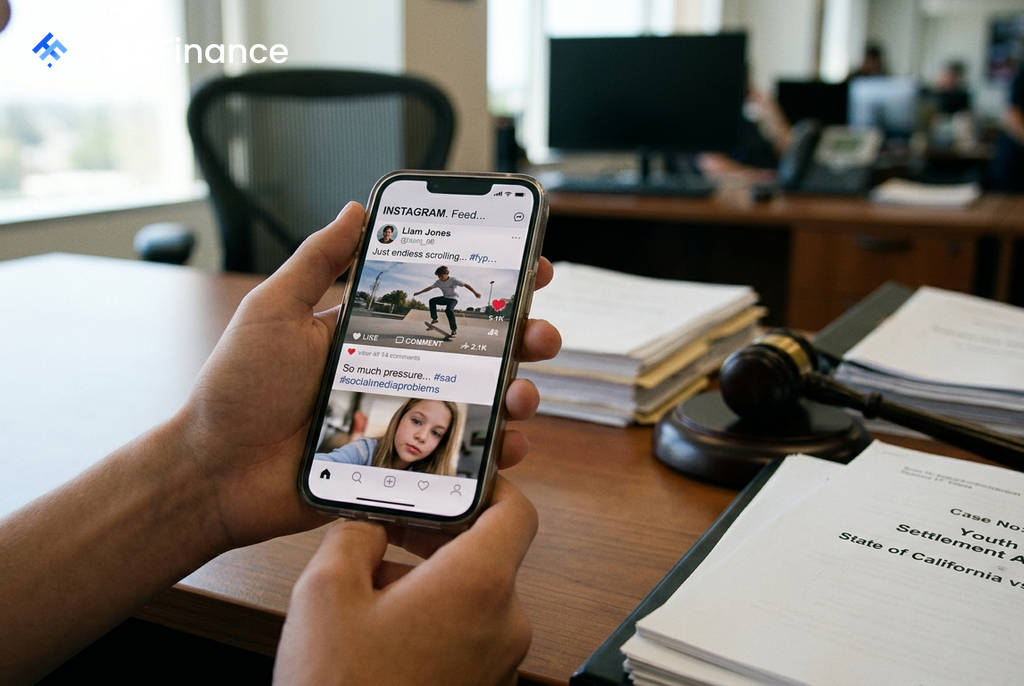
Meta Platforms has agreed to a landmark settlement of up to $18 billion with nearly 50 U.S. states, resolving claims that it knowingly designed its Facebook and Instagram platforms to be addictive to children. The agreement, which has sent ripples through the global regulatory community, also imposes significant new restrictions on how teenagers can use the social media apps.
Details of the U.S. Settlement
Under the terms of the deal, Meta will pay the sum over a decade and implement sweeping changes to its platforms. According to the agreement, a key provision includes imposing a default two-hour daily limit on Facebook and Instagram for users under the age of 18. While agreeing to the settlement, Meta denied any wrongdoing.
The settlement addresses widespread allegations from state governments that the company's features were engineered to maximize engagement among young users, contributing to a mental health crisis. Despite this resolution, Meta still faces thousands of other lawsuits in U.S. federal and state courts from individuals, school districts, and other government entities over similar claims.
International Repercussions and Scrutiny
 Ad
The settlement has galvanized regulators and lawmakers globally, who view it as an admission that social media companies possess the technology to better protect young users. Australian Communications Minister Anika Wells stated that companies "have the tools at their disposal to protect young people from their addictive features but have chosen not to use them." Australia previously implemented a ban on social media for children under 16, though studies from the country's internet regulator showed that 80% of minors were still accessing the platforms months after it took effect.
In Europe, Poland’s minister of digital affairs, Krzysztof Gawkowski, announced on X that he has requested the European Commission to impose a €250 million ($291 million) fine on Meta. Regulators in Asia are also intensifying their efforts, with South Korea’s media regulator arguing that Meta's new protective measures should be applied to young users worldwide.
New Front for Legal Action
The U.S. settlement is also paving the way for potential new legal challenges in other countries. Australian class-action firm Shine Lawyers confirmed it is in discussions about a potential lawsuit similar to the one brought in the U.S. Craig Allsopp, the firm's head of class actions, said, "We are now examining whether similar legal issues arise in Australia, including whether Australian children and families may have claims connected to the design, operation and promotion of social media platforms."
Read next
More on Stocks
FTC Orders Walmart, Uber, Delta to Disclose Data on Personalized Pricing
The U.S. Federal Trade Commission is demanding nine major companies, including leading retail, travel, and gig economy firms, to provide information on how they use consumer data for setting individual prices and wages.

Google Launches Gemini 4 Carbon AI Model to Bolster Cybersecurity Capabilities
Alphabet's Google has unveiled Gemini 4 Carbon, its latest AI model specifically designed for advanced cybersecurity tasks like vulnerability detection and secure code generation. The launch escalates competition with rivals OpenAI and Anthropic in the enterprise AI market.

Oracle Shares Surge After Unveiling $225 Billion Revenue Target for 2030
Oracle stock rose sharply after the company presented a long-term financial outlook targeting at least $225 billion in annual revenue by fiscal 2030, driven by its expanding AI infrastructure business.

DOJ Scrutinizes Nvidia's $12.9B Hugging Face Deal Amid Broader Antitrust Probe, Sources Say
The U.S. Department of Justice is reportedly examining Nvidia's planned $12.93 billion acquisition of AI platform Hugging Face as part of a wider, ongoing antitrust investigation into the chipmaker's market conduct.