
Story
Malaysia Boosts Fuel Subsidies, Business Support to Tackle Living Costs
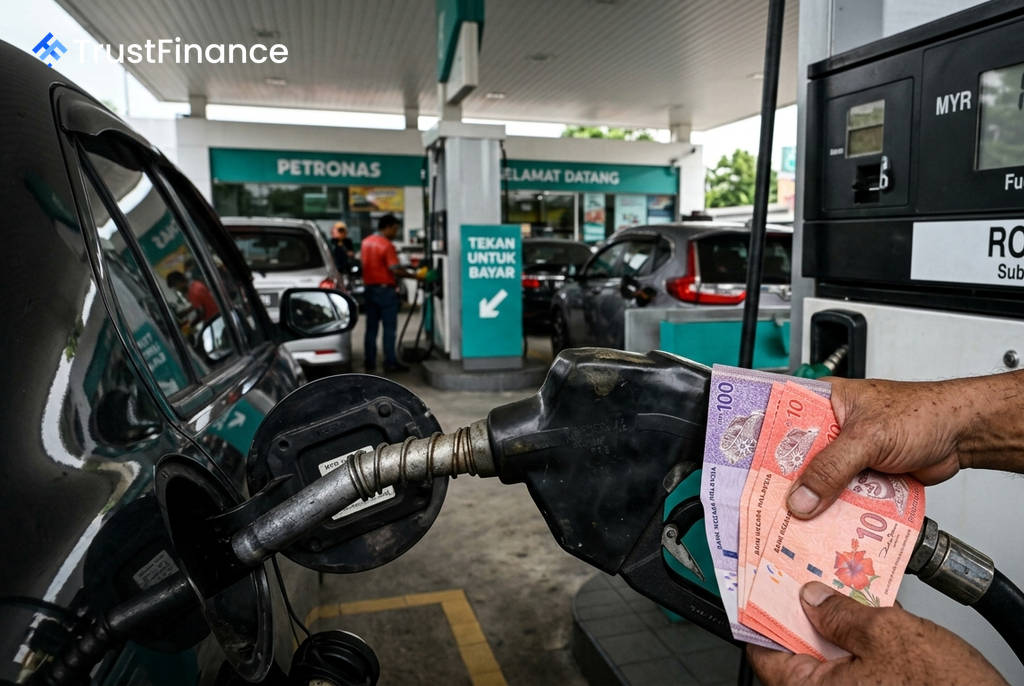
Malaysia's government has unveiled a series of economic support measures set to take effect on September 1, aimed at easing the burden of rising living costs and supporting local businesses. Prime Minister Anwar Ibrahim announced the package in a televised address, stating, "The economic growth of the country must be returned to the people."
Key Relief Measures
The new policies focus on direct financial relief for consumers and operational support for small and medium-sized enterprises. The government will restore higher quotas for subsidized fuel and provide additional funding for key public services.
Key components of the package include:
- Fuel Subsidies: The monthly purchase quota for subsidized RON95 gasoline will be restored to 300 liters per person, up from 200 liters. The diesel quota for certain users will be raised to 400 liters per month.
- Business Support: The revenue threshold for mandatory e-invoicing will be raised to 3 million ringgit (approximately $746,000) a year. Additional micro-financing facilities for small businesses will also be introduced.
- Targeted Funding: The plan allocates increased funding for school maintenance and the improvement of digital health systems. It also establishes an artificial intelligence program for Malaysians aged 18 to 30, providing free access to applications from Google and Alibaba Cloud.
- Anti-Corruption Funds: Any funds seized from anti-corruption legal proceedings will be channeled directly into government programs for education and healthcare, according to the announcement.
 Ad
Economic and Political Context
The move comes as Prime Minister Anwar's coalition faces growing public pressure over living costs, despite strong macroeconomic performance. Malaysia's gross domestic product grew 6% in the second quarter, surpassing official projections, but the benefits have not been felt evenly across the population.
Anwar's administration has seen declining support in recent months, with his coalition being defeated in three successive regional elections. Critics have cited a perceived failure to deliver on promised reforms. The new measures appear designed to address these concerns ahead of a general election that must be held by early 2028.
Read next
More on Stocks
FTC Orders Walmart, Uber, Delta to Disclose Data on Personalized Pricing
The U.S. Federal Trade Commission is demanding nine major companies, including leading retail, travel, and gig economy firms, to provide information on how they use consumer data for setting individual prices and wages.

Google Launches Gemini 4 Carbon AI Model to Bolster Cybersecurity Capabilities
Alphabet's Google has unveiled Gemini 4 Carbon, its latest AI model specifically designed for advanced cybersecurity tasks like vulnerability detection and secure code generation. The launch escalates competition with rivals OpenAI and Anthropic in the enterprise AI market.

Oracle Shares Surge After Unveiling $225 Billion Revenue Target for 2030
Oracle stock rose sharply after the company presented a long-term financial outlook targeting at least $225 billion in annual revenue by fiscal 2030, driven by its expanding AI infrastructure business.

DOJ Scrutinizes Nvidia's $12.9B Hugging Face Deal Amid Broader Antitrust Probe, Sources Say
The U.S. Department of Justice is reportedly examining Nvidia's planned $12.93 billion acquisition of AI platform Hugging Face as part of a wider, ongoing antitrust investigation into the chipmaker's market conduct.