
Story
Iran's IRGC Navy Closes Strait of Hormuz, State Media Reports
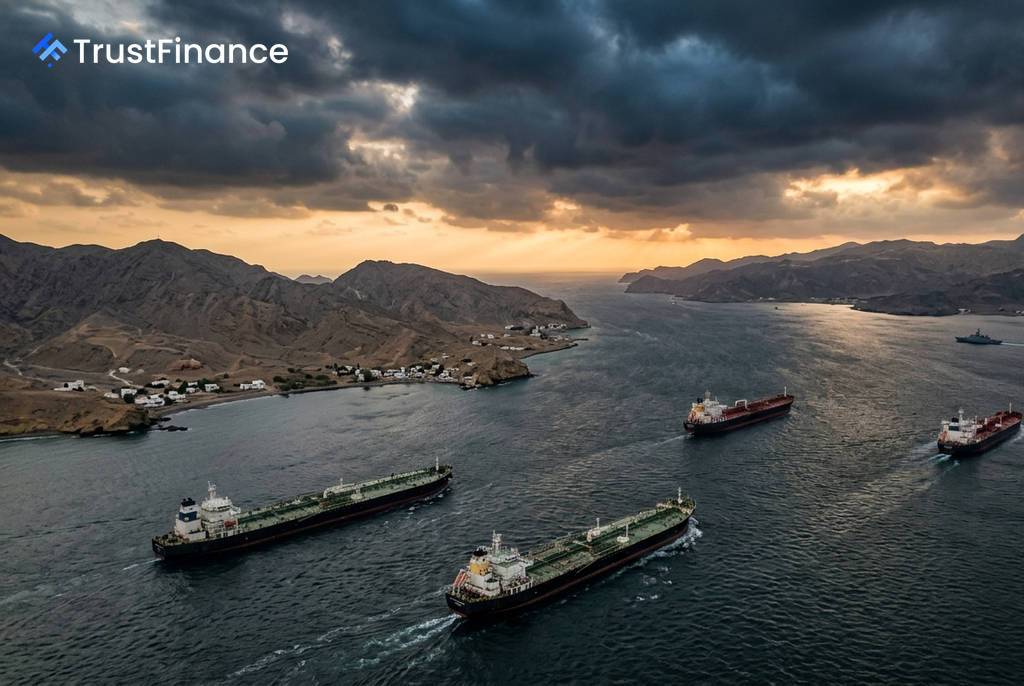
Iran's Islamic Revolutionary Guard Corps (IRGC) navy has closed the critical Strait of Hormuz shipping lane "until further notice," according to a report from Iranian state media early Sunday. The move follows an incident where the IRGC fired a warning shot at a vessel it claimed was using an unapproved route.
Key Development
The announcement, reported by state media on July 12, attributes the directive to the IRGC's naval forces. The precipitating event was reportedly a warning shot fired at a commercial vessel that had attempted to navigate the strait through an unauthorized channel.
The closure is indefinite, creating significant uncertainty for one of the world's most crucial maritime passages. The IRGC has not provided a timeline for reopening the strait.
Implications for Global Energy Markets
The Strait of Hormuz is the world's single most important energy chokepoint. A substantial portion of global seaborne crude oil and liquefied natural gas (LNG) transits through the narrow waterway daily.
 Ad
Any disruption to traffic, particularly an outright closure, has the potential to severely constrain global energy supplies. Such an event would likely trigger a sharp spike in oil prices, with Brent and WTI crude futures reacting immediately to the heightened supply risk. A prolonged shutdown could fuel significant inflationary pressures on the global economy.
Geopolitical Context
This action represents a major escalation in regional tensions. The Strait of Hormuz has long been a flashpoint in confrontations between Iran and Western powers, especially the United States.
Investors and policymakers will be closely watching for an international response and any further military posturing in the Gulf. The security of global shipping routes and the stability of energy markets now face a period of acute uncertainty.