
Story
Iran Widens Attacks on Gulf States, Declares Strait of Hormuz Closed Amid US Strikes
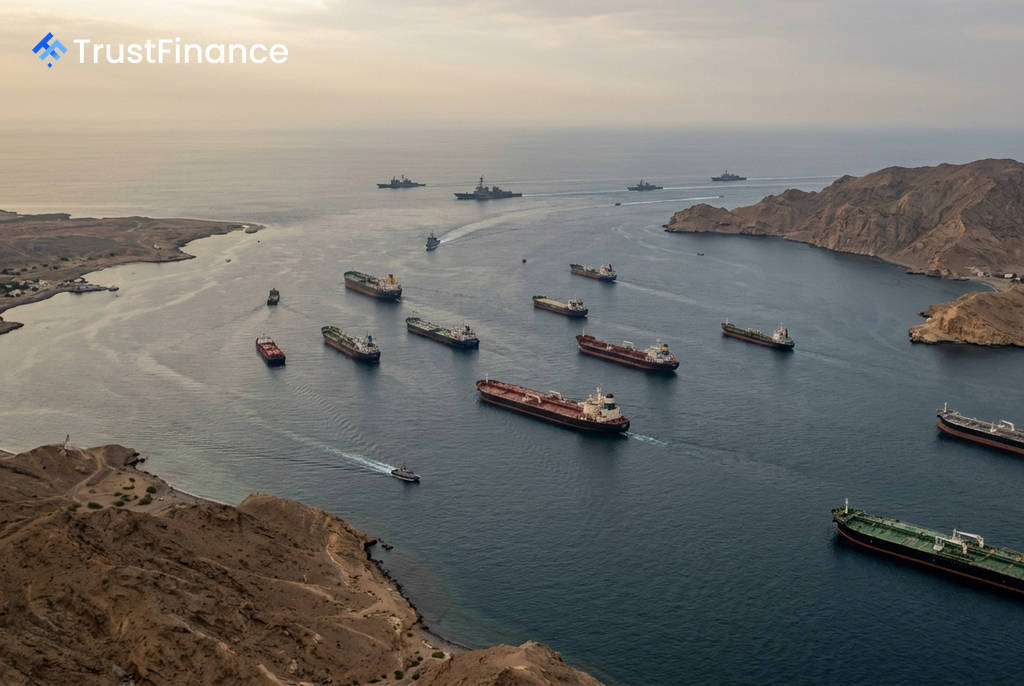
The U.S. and Iran exchanged heavy missile and drone assaults over the weekend, with Tehran expanding its targets to include U.S. facilities in Qatar and the United Arab Emirates and declaring the Strait of Hormuz closed to unauthorized shipping. The significant escalation casts serious doubt on a fragile interim agreement signed last month and raises the risk of a wider regional conflict.
Broadening Regional Conflict
The latest cycle of attacks marks a dangerous new phase, with Iran targeting countries that had not been attacked in months. According to reports, the strikes extended to Qatar, a key mediator in ceasefire talks, and the UAE. In a statement, Iran's Revolutionary Guards claimed responsibility for attacks on U.S. assets in multiple countries, including:
- A command-and-control center in Jordan
- A radar site and rocket launchers in Kuwait
- U.S. aircraft carrier support platforms in Oman
- A jet maintenance facility in Qatar
In response, U.S. Central Command stated on Sunday that it began launching more strikes against Iran to "degrade their ability to attack civilian mariners and commercial ships." CENTCOM said its forces had hit 140 Iranian military targets on Saturday and more than 300 over three nights. A spokesperson told CNN that U.S. aircraft had also shot down an Iranian cruise missile and an attack drone.
Chokepoint Closed
 Ad
Iran announced it had closed the Strait of Hormuz, a waterway that previously carried about one-fifth of the world’s oil and liquefied natural gas shipments. Iran's newly created Persian Gulf Strait Authority said passage was "not currently possible" due to U.S. military movements. The declaration followed attacks on commercial vessels, including a warning shot that struck one ship on Saturday and the disabling of a second vessel on Sunday.
The U.S. military disputed Iran's claim of control, stating, "Iran does not control the strait. Traffic is flowing." The Navy-led Joint Maritime Information Center advised that an "expanded" southern route near Oman remained available for traffic despite the severe security threat.
Diplomatic Collapse and Market Impact
The renewed violence signals the apparent collapse of a 60-day interim agreement aimed at reopening the strait. Iran's top negotiator, Mohammad Baqer Qalibaf, posted on the social media platform X: "The era of one-sided deals is OVER. We told you: keep your word or pay the price." Iran's foreign ministry blamed "overt and covert" U.S. pressure for the failure of talks with Oman.
The effective blockade of such a critical energy artery has already driven energy prices higher, fueling global inflation. The instability in the Gulf and the direct threat to oil transit will likely add a significant geopolitical risk premium to crude prices, impacting investors and consumers worldwide.