
Story
Iran Strikes US Military Targets in Gulf as Ceasefire Collapses
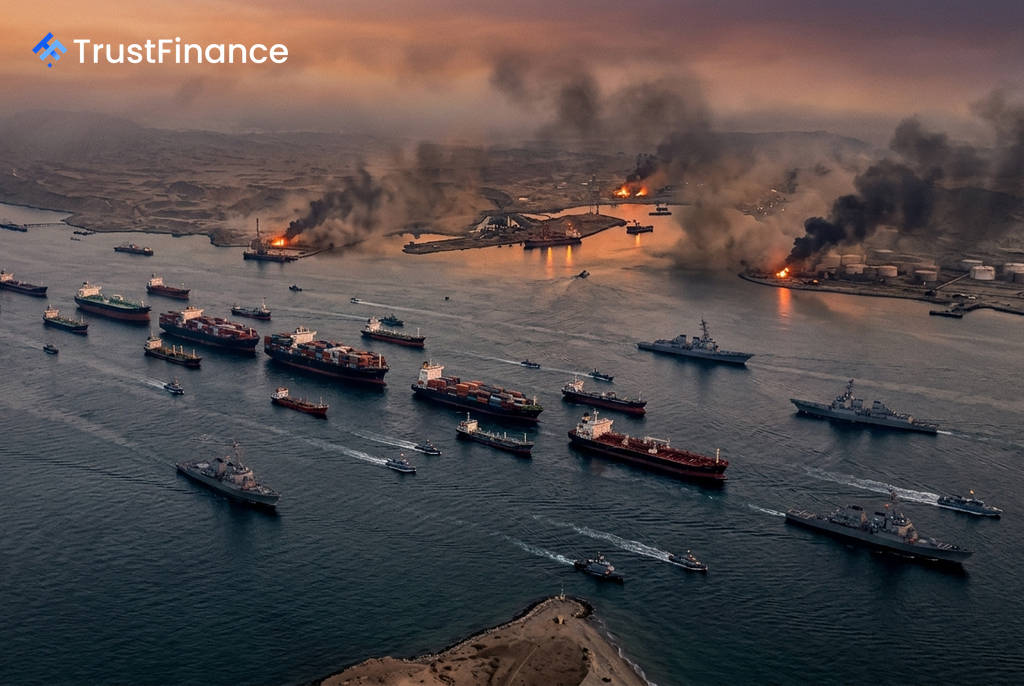
Iran's armed forces have launched retaliatory attacks against U.S. military infrastructure in several Gulf states, according to Iranian state media, shattering a three-week-old ceasefire and escalating a conflict that has severely disrupted global energy supplies.
The strikes on Thursday followed U.S. military action against targets in Iran, which Washington said was in response to Iranian attacks on commercial shipping vessels earlier in the week.
Ceasefire Collapses Amid Retaliatory Strikes
Iran's army stated it had launched attacks on multiple U.S. military assets in the region. According to reports from Iranian state media, the targets included:
- U.S. Patriot missile systems in Kuwait
- An early-warning site in Qatar
- A U.S. Army fuel depot in Bahrain
Kuwait's armed forces reported engaging one cruise missile, three ballistic missiles, and 10 drones in its airspace, resulting in one injury from falling shrapnel. Separately, Jordan’s state news agency reported that its air defenses intercepted eight missiles launched from Iran, with no damage or injuries reported. The Revolutionary Guards later claimed to have fired 10 ballistic missiles at Jordan's Azraq military base, which is used by U.S. forces.
These actions came as Iran buried its Supreme Leader, Ayatollah Ali Khamenei, who was killed in an airstrike at the start of the months-long conflict.
 Ad
U.S. Justifies Strikes, Cites Shipping Attacks
The escalation follows a declaration by U.S. President Donald Trump that the truce was "over" after attacks on Qatari and Saudi shipping vessels. On Wednesday, U.S. Central Command stated its forces had struck approximately 90 Iranian military targets, including air defense systems and missile storage sites, in what Trump described as "retribution."
Iranian state media reported that the U.S. strikes killed 14 people and injured 78. A U.S. official, cited by Reuters, said there had been no American strikes in the most recent hours, though another official maintained that Washington was still committed to finding a resolution and that "technical talks continue."
Market Impact and Strait of Hormuz Tensions
The renewed hostilities have direct implications for global energy markets, which rely on passage through the Strait of Hormuz. The waterway handled about a fifth of the world's oil supply before the conflict. Oil prices, which have been elevated due to the ongoing instability, initially spiked on the news before paring gains on Thursday.
The two sides presented conflicting narratives about control of the strategic chokepoint. Iran’s Revolutionary Guards claimed vessel traffic had recovered to 50% of pre-war levels under its supervision. However, the U.S. military countered that Iran does not control the waterway, stating it had facilitated the safe transit of more than 800 commercial vessels and 380 million barrels of crude oil since early May.