
Story
India's Forex Reserves Swell to $716.9 Billion, Hitting Six-Month High
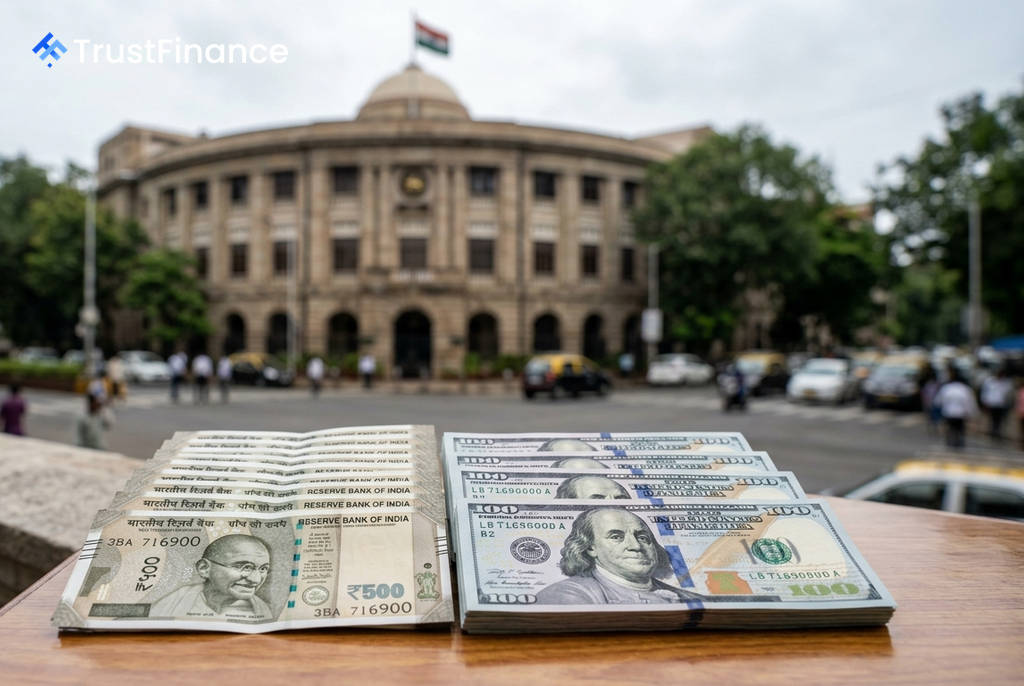
India's foreign exchange reserves climbed to $716.9 billion, a six-month high, in the week ending August 14, according to data released Friday by the Reserve Bank of India (RBI). The nation's currency chest grew by nearly $10 billion from the previous week, marking the seventh consecutive weekly increase.
Key Drivers of the Increase
The recent surge in reserves was broad-based. The RBI data showed that foreign currency assets (FCAs), the largest component of the reserves, increased by $7.2 billion. Gold holdings also saw a significant rise, adding $2.7 billion to their value during the week.
This sustained accumulation has added approximately $50 billion to India's reserves over the past seven weeks. The current level is now approaching the all-time high of $728.5 billion recorded in February of this year, strengthening India's external financial position.
Impact of Government Policies
The steady growth in reserves is largely attributed to a series of policy measures introduced by the Indian government in June. These policies were designed to attract U.S. dollar inflows and improve the country's balance of payments.
Key measures included:
 Ad
- Offering discounted hedging facilities for overseas borrowings by state-owned enterprises and banks.
- Providing free hedging services for banks to attract foreign currency margin deposits.
The RBI has been absorbing these inflows into its reserves through discounted foreign exchange swap operations. According to the central bank, these measures had attracted nearly $570 billion in capital inflows as of August 13. Due to the program's success, the RBI announced it would end the deposit hedging facility a month early on August 31.
Market Implications
A robust level of foreign exchange reserves enhances the RBI's ability to manage volatility in the Indian rupee (INR) and provides a significant buffer against external economic shocks. For investors, it signals greater macroeconomic stability and boosts confidence in the Indian economy.
It is important to note that changes in foreign currency assets also reflect the effect of appreciation or depreciation of non-U.S. currencies, such as the euro, pound, and yen, held in the reserves.
Read next
More on Forex
Polish Zloty Hits 11-Month Low Against Euro on Energy Price Pressure
The Polish zloty weakened to 4.410 against the euro, its lowest point since November 2023, as rising energy prices and caution ahead of a U.S. Federal Reserve decision weighed on the currency.

Sterling Slips as Dollar Strengthens Ahead of Fed Decision and UK Budget
The British pound lost ground against a resurgent U.S. dollar on Wednesday as market attention shifted from tech sector volatility to upcoming central bank decisions and the UK budget announcement.

Eurozone Bond Yields Climb as French Fiscal Concerns Return Ahead of Fed, ECB Decisions
Yields on French and German government bonds rose as relief from a ratings affirmation for France proved temporary, with investors refocusing on fiscal challenges and awaiting key policy verdicts from the U.S. Federal Reserve and the European Central Bank.

Canadian Dollar Slips as Markets Await Bank of Canada, Fed Decisions
The Canadian dollar edged lower against its U.S. counterpart, snapping a seven-day winning streak as investors adopted a cautious stance ahead of Wednesday's key interest rate announcements from both the Bank of Canada and the U.S. Federal Reserve.