
Story
IEA Projects First Annual Oil Demand Drop Since 2020 on Mideast Conflict
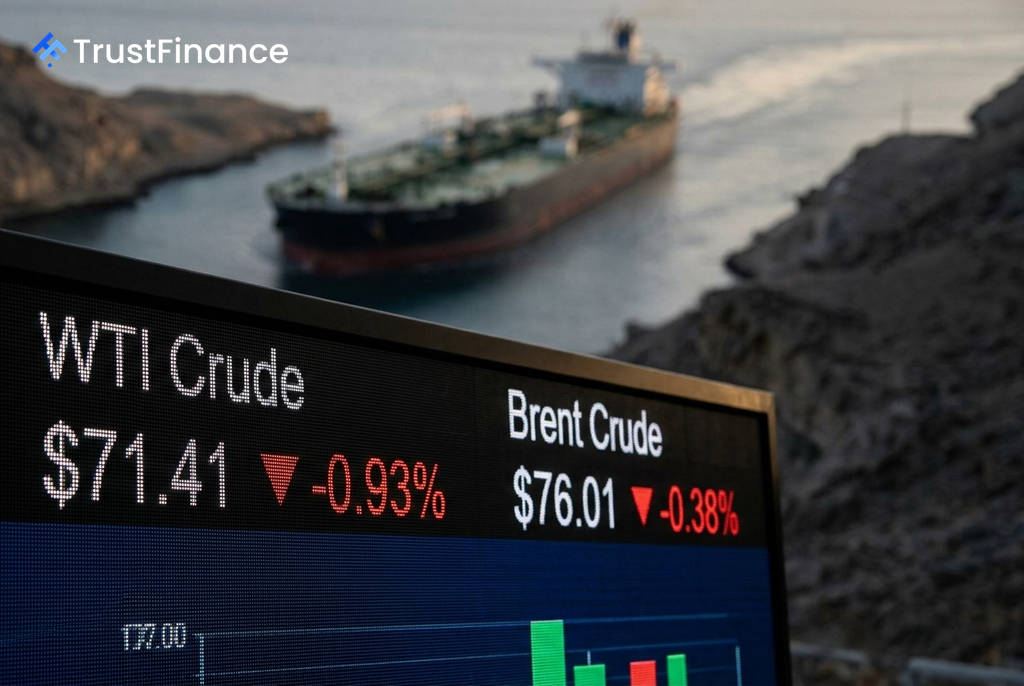
Global oil demand is forecast to decline for the first time since the COVID-19 pandemic, driven by production and export disruptions from the conflict in the Middle East, the International Energy Agency (IEA) said on Friday. The agency, in its latest monthly oil market report, projected that world demand will fall by 1 million barrels per day (bpd) this year compared to the last.
Mideast Tensions Drive Downgrade
The IEA attributed the sharp contraction primarily to the recent closure of the Strait of Hormuz, a critical chokepoint for global energy shipments. The forecast, however, operates on the assumption that a ceasefire will hold and that tanker traffic through the strait will gradually recover.
This outlook remains fragile, as highlighted by recent military exchanges in the region. "Renewed exchanges of fire in the Gulf this week highlight the risks of not reaching a lasting peace agreement, which is a must for the normalization in oil markets," the IEA stated in its report.
Oil prices were relatively stable on Friday but were on track for weekly gains as investors weighed the potential for wider supply disruptions against the agency's weaker demand outlook. The IEA noted that the global oil market balance could return to a surplus later in the year, contingent on the reopening of key shipping lanes.
 Ad
Russian Supply Outlook Also Cut
Separately, the IEA also lowered its forecast for Russian oil production, citing the impact of sustained Ukrainian drone attacks on the country's energy infrastructure. The agency detailed the downward revisions to its supply outlook:
- Production cut by 85,000 bpd for the current year.
- Production cut by 150,000 bpd for the next year.
The IEA now expects Russian output to average 8.8 million bpd over the forecast period. The report noted that the "continued strikes on refineries, storage facilities and transport infrastructure underpin a weaker production outlook."